

How dry herb vaporizers work
Dry herb vaporizers heat cannabis flower without combustion, preserving flavor while reducing harshness. The core difference between devices comes down to how they transfer heat to the plant material. Understanding these methods helps explain why some vaporizers deliver brighter, more complex flavors while others prioritize efficiency and potency.
Conduction heating relies on direct contact between the herb and a heated surface. The chamber walls or a metal screen touch the flower, transferring heat through physical contact. This method heats up quickly and delivers consistent vapor production. However, the direct contact can scorch delicate plant material if temperatures run too high, potentially muting subtle terpene profiles. Devices like the Pax 3 use conduction with a metal heating element.
Convection heating blows hot air through the herb chamber, heating the plant material from the inside out. This method avoids direct contact with hot surfaces, which generally preserves more of the flower's original flavor compounds. The vapor tends to be smoother and more consistent throughout the session. Convection devices like the Volcano Hybrid or the G Pen Supreme offer this indirect heating approach.
Hybrid vaporizers combine both conduction and convection methods. The device uses a conduction element to preheat the herb, then switches to convection airflow for the main vaporization phase. This approach aims to capture the quick heat-up time of conduction with the flavor preservation of convection. The DaVinci Miqro and the Storz & Bickel Mighty+ use hybrid heating systems.
Temperature control matters across all three methods. Most vaporizers operate between 320°F and 430°F (160°C-220°C). Lower temperatures in the 320-340°F range highlight lighter terpenes for brighter flavor. Higher temperatures around 390-430°F release heavier compounds for stronger effects. Setting the right temperature for your goal—flavor versus potency—makes a noticeable difference in the experience.
Best portable vaporizers
Portable vaporizers prioritize discretion and battery efficiency without sacrificing the flavor profiles found in larger, stationary units. The best models balance a compact form factor with reliable convection or hybrid heating, ensuring consistent temperature control during on-the-go sessions.
When selecting a portable device, consider the trade-off between size and battery longevity. Smaller pens offer maximum stealth but may require mid-session recharges, while box-style vaporizers provide longer run times and faster heat-up speeds at the cost of increased bulk. Build quality is paramount; look for devices with durable materials that can withstand daily transport.
PAX Plus
The PAX Plus remains a benchmark for portable vaporizers, combining a sleek aluminum body with intuitive touch controls and precise temperature settings. It features a hybrid heating system that delivers consistent flavor and efficient vapor production, making it a favorite among users who value reliability. The device offers a 45-minute battery life and charges via USB-C, providing enough power for multiple sessions on a single charge.
Storz & Bickel Mighty+ / Crafty+
Storz & Bickel’s Mighty+ and Crafty+ series utilize pure convection heating, which draws hot air directly through the herb chamber for even vaporization. The Mighty+ is a larger, box-style device with a robust 550mAh battery and a 4.5-minute heat-up time, ideal for longer sessions. The Crafty+ is a more compact, pen-like version with a 340mAh battery, offering a balance of portability and performance with the same high-quality heating technology.
Volcano Hybrid (Portable Kit)
While traditionally a desktop unit, the Volcano Hybrid can be used with a portable balloon kit, offering a unique approach to on-the-go vaping. This setup allows users to fill balloons with vapor for later consumption or shared use, eliminating the need for direct inhalation from the device. The hybrid heating system ensures precise temperature control, and the large capacity makes it suitable for users who prefer volume and consistency over discreet, pen-style vaping.
| Device | Heating Type | Battery Life | Heat-Up Time | Weight |
|---|---|---|---|---|
| PAX Plus | Hybrid | 45 minutes | 1 minute | 105g |
| Mighty+ | Convection | 550mAh (approx. 2-3 hrs) | 4.5 minutes | 510g |
| Crafty+ | Convection | 340mAh (approx. 1-2 hrs) | 4 minutes | 180g |
| Volcano Hybrid (Kit) | Hybrid | External Power | 10 minutes | 600g+ |
Top desktop vaporizers for home use
Desktop vaporizers are the workhorses of the dry herb world. They prioritize session length, vapor volume, and temperature precision for home environments. Unlike portable units, desktop devices connect to a power source, allowing for robust heating elements and larger chambers.
The trade-off is portability. These units are designed to stay on a shelf or table, serving as a centerpiece for dedicated sessions. This fixed location allows manufacturers to include features like balloon inflation, digital displays, and precise fan control that portable batteries simply cannot support.
When choosing a desktop unit, look for devices that balance convection and conduction heating. Convection ensures even heat distribution, preserving flavor and potency throughout the chamber. This section highlights models that excel in technical performance and user experience.
How to load and use your vaporizer
Getting the most out of your vaporizer comes down to three variables: grind size, temperature, and draw speed. Treat the device like a precision instrument rather than a casual accessory, and you will notice immediate improvements in flavor clarity and vapor density. Most modern vaporizers, such as the PAX 3 or Storz & Bickel Mighty+, perform best when you respect these mechanical limits.



A quick checklist for your next session:
-
Grind herb to a fine, consistent texture
-
Load the chamber evenly without overpacking
-
Set temperature to 320°F–340°F for flavor
-
Draw slowly and hold vapor briefly
-
Clean mouthpiece and airflow pathways regularly
Temperature settings and flavor profiles
Finding the right temperature is the single most effective way to control your session. Unlike smoking, which burns material and produces ash, vaporizing relies on precise heat to release compounds without combustion. This allows you to isolate specific flavors or intensify effects by adjusting the dial. Think of temperature as a volume knob for the plant's chemical profile.
The Flavor Zone (320–350°F)
Staying in the lower range, typically between 320°F and 350°F (160°C–175°C), preserves delicate terpenes like limonene and pinene. These compounds evaporate at lower temperatures, offering bright, citrusy, or pine-like notes that define the strain's character. The vapor is thinner and cooler, making it ideal for daytime use or when clarity is the priority. Devices like the PAX 3 and Storz & Bickel Mighty+ excel here, maintaining steady heat that prevents harshness while extracting subtle aromatic layers.
The Balance Zone (350–390°F)
As you move into the mid-range, the vapor becomes denser and the effects more pronounced. This zone captures a wider spectrum of cannabinoids, including myrcene and caryophyllene, which contribute earthy and spicy undertones. It is the sweet spot for many users, offering a noticeable body effect without the intensity of higher temperatures. The Arizer Solo 2 and Green Mountain Vapor handle this range well, providing consistent convection heat that ensures even extraction across the chamber.
The Potency Zone (390°F+)
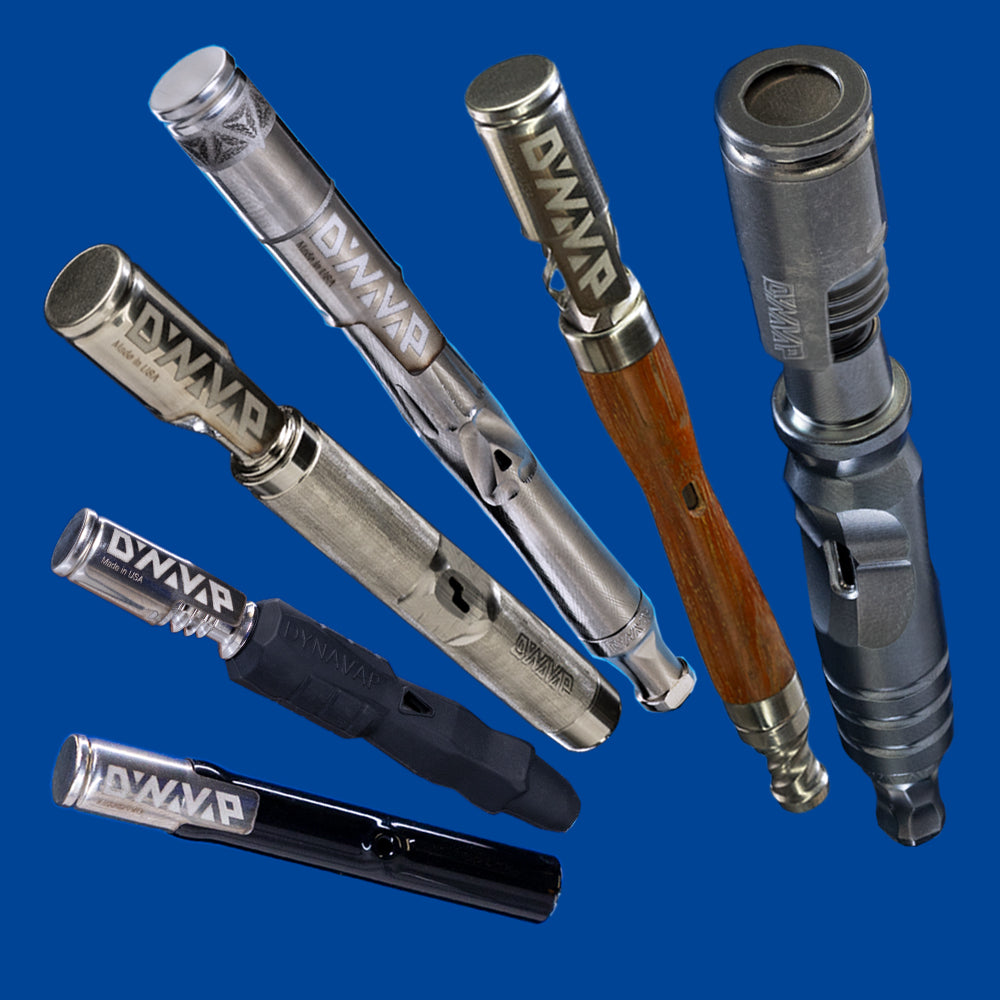
Temperatures above 390°F (200°C) unlock heavier cannabinoids like CBN and higher concentrations of THC, resulting in a more sedative and intense experience. The vapor is thick, warm, and carries a stronger herbal or woody flavor profile. While this range maximizes potency, it can also introduce harshness if the device lacks precise thermal regulation. For those seeking maximum effect, the Volcano Hybrid and Dynavap allow for fine-tuned control, letting users push the heat just enough to feel the difference without burning the material.
When to reload your vaporizer chamber
Knowing when to reload is the difference between a session that fades into bland air and one that maintains consistent potency. As the dry herb heats up, the volatile compounds vaporize, leaving behind spent material that looks and tastes different. Recognizing these cues helps you maximize the efficiency of your device and avoid wasting remaining cannabinoids.
The most reliable indicator is visual. Spent herb turns from a vibrant green to a dark, almost black color. It also becomes noticeably drier and more brittle to the touch. If you see significant ash-like residue or the herb looks shriveled, it is time to empty the chamber.
Sensory changes are equally telling. The flavor profile will shift from the distinct notes of your strain to a harsh, burnt, or papery taste. Vapor production will also decrease significantly. If you are vaping at lower temperatures (320–340°F) for flavor, this shift happens faster. At higher temperatures (390–430°F) for potency, you might get a few more draws, but the quality will drop sharply once the flavor turns bitter. Reload when the taste no longer satisfies you.
Common dry herb vape: what to check next
Understanding how your device performs helps you get the most out of every session. Whether you are comparing vapor density to combustion or dialing in specific temperature ranges, these answers address the technical details that matter most for flavor and potency.
No comments yet. Be the first to share your thoughts!