
How dry herb vaporizers work
Dry herb vaporizers turn plant material into inhalable vapor without combustion. The core mechanism depends on how the device transfers heat to the herb, which directly influences flavor clarity and efficiency. Understanding this difference helps explain why some devices taste cleaner than others.
Conduction heating relies on direct contact. The herb sits in a chamber with metal walls or a glass base that conducts heat straight into the material. This method is common in older or budget-friendly devices. It heats up quickly but can create hot spots, leading to uneven vapor and occasionally a harsher experience.
Convection heating blows hot air through the herb pack. Devices like the DynaVap use this approach, forcing heated air to extract flavor compounds evenly. This method preserves delicate terpenes better than direct contact, resulting in a smoother, more consistent taste. Most modern premium devices use convection or a hybrid of both methods to balance speed and quality.
The choice between these methods affects your daily experience. Conduction is often simpler and more affordable, while convection offers superior flavor profiles. Many users find that convection devices provide a cleaner taste because they avoid the scorching that can happen with direct metal contact.
Best portable dry herb vaporizers
Choosing the right portable dry herb vaporizer depends on what you value most: discretion, battery life, or pure flavor. Unlike desktop units, portable devices are built to fit in a pocket or bag, meaning you have to make trade-offs between size and performance. A smaller device heats up faster and is easier to hide, but often sacrifices battery capacity and oven size. Larger units offer more consistent heat and longer sessions but are harder to use discreetly in public.
The Yocan HIT stands out for users who prioritize flavor and ease of use. Its compact design fits easily in a pocket, making it a favorite for on-the-go sessions. The device uses a convection heating element, which circulates hot air through the herb for a more even vapor. This method preserves the delicate terpenes in the plant material, resulting in a cleaner taste than many conduction-based competitors. The battery lasts for several sessions on a single charge, and the mouthpiece is removable for easy cleaning.
For those who need a device that can last all day without needing a recharge, the PAX 3 remains a top contender. Its battery life is exceptional, often lasting through multiple sessions before requiring a plug-in. The PAX 3 also offers precise temperature control, allowing you to dial in the exact heat level for your desired effect. The oven is spacious enough to handle a decent amount of herb, and the draw resistance is smooth and consistent. While it is slightly larger than the Yocan HIT, its build quality and reliability make it a worthwhile investment for regular users.
If discretion is your primary concern, the Volcano Mini is an excellent choice. It is one of the smallest portable vaporizers on the market, designed to be virtually undetectable in a pocket or bag. Despite its tiny size, it delivers a satisfying vapor experience with a quick heat-up time. The draw is airy and smooth, making it easy to take long puffs without coughing. The battery life is adequate for a few sessions, and the device is simple to operate with just one button. It is an ideal option for users who want a no-fuss device that gets the job done without drawing attention.
When comparing these top picks, it helps to look at the key specs side-by-side. The table below breaks down the battery life, heat-up time, and temperature range for each device, helping you decide which one fits your lifestyle best.
| Device | Battery Life | Heat-Up Time | Temp Range |
|---|---|---|---|
| Yocan HIT | ~45 mins | ~30 secs | 375-430°F |
| PAX 3 | ~60 mins | ~15 secs | 320-435°F |
| Volcano Mini | ~30 mins | ~20 secs | 350-420°F |
Top desktop vaporizers for home use
Desktop vaporizers trade portability for power, offering larger ovens and more precise temperature control than handheld units. They are ideal for users who prioritize volume and session length over mobility. Because they plug into a wall outlet, these devices can maintain consistent heat for extended periods, making them suitable for social gatherings or longer, uninterrupted sessions.
Storz & Bickel Mighty+ (Desktop Mode)
While often categorized as portable, the Mighty+ includes a desktop adapter that transforms it into a stationary unit. This setup provides the convenience of a desktop device with the flexibility to move it if needed. The hybrid heating system ensures even vaporization, and the balloon filling mode allows for easy sharing without the need for complex tubing setups.
Volcano Hybrid
The Volcano Hybrid is a benchmark in the desktop category, known for its reliability and consistent performance. It uses a convection heating method that draws air through the herb chamber, preserving flavor and ensuring efficient extraction. The device features a digital display and a balloon valve system that allows users to fill balloons sequentially, making it a favorite for group use.
Volcano Classic
For those who prefer a simpler interface, the Volcano Classic offers a proven mechanical design with a dial for temperature adjustment. It lacks the digital bells and whistles of the Hybrid but delivers the same high-quality vapor production. The Classic is often praised for its durability and ease of use, requiring minimal maintenance to keep performing well over time.
How to use your vaporizer properly
Using a dry herb vaporizer correctly comes down to a simple workflow: loading, heating, and drawing. When you treat the device like a precision instrument rather than a blunt tool, you get better flavor and smoother hits. The difference between a harsh, cough-inducing session and a smooth experience usually comes down to how you pack the chamber and how slowly you draw.
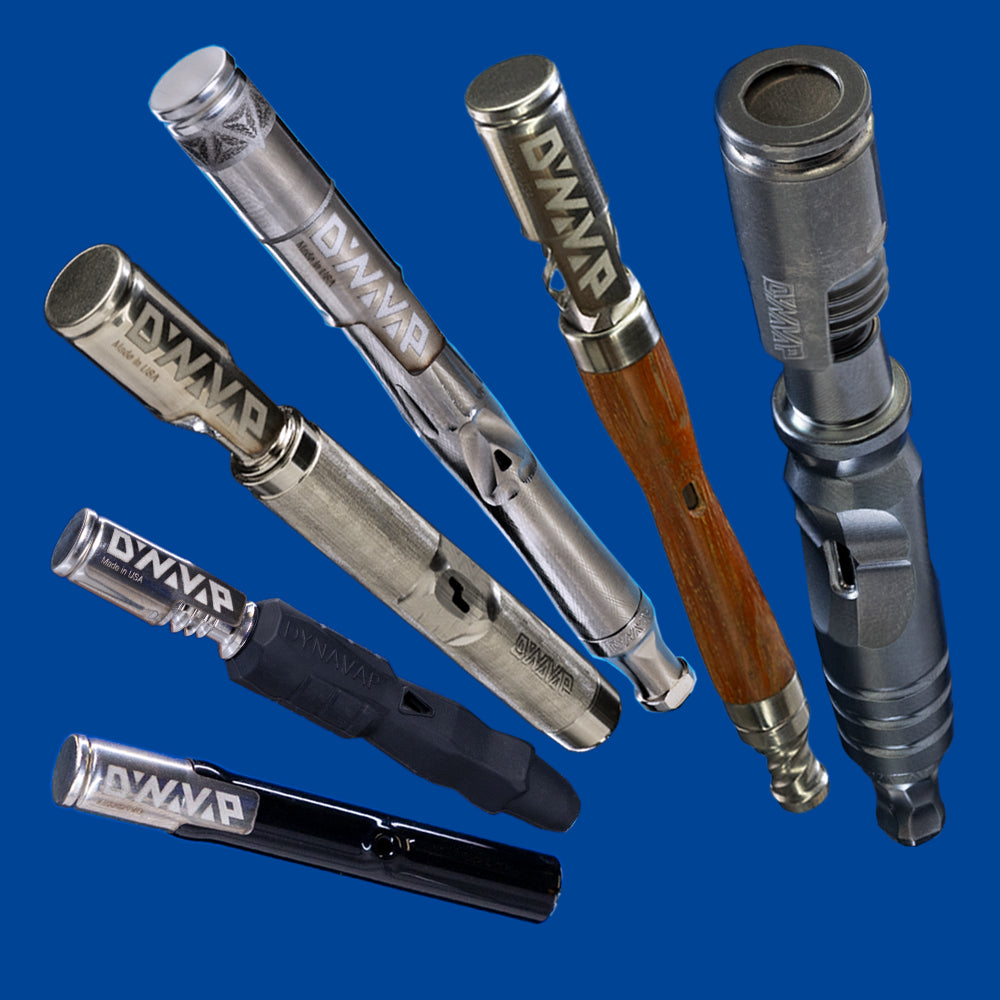
Grind your material to a consistency similar to coarse sea salt. If the particles are too fine, they will clog the airflow and burn; if they are too large, the heat won't penetrate evenly. Fill the chamber loosely for convection vapes like the Storz & Bickel Mighty+ to allow hot air to circulate, or pack it slightly tighter for conduction devices like the Pax 3 to ensure maximum surface contact.
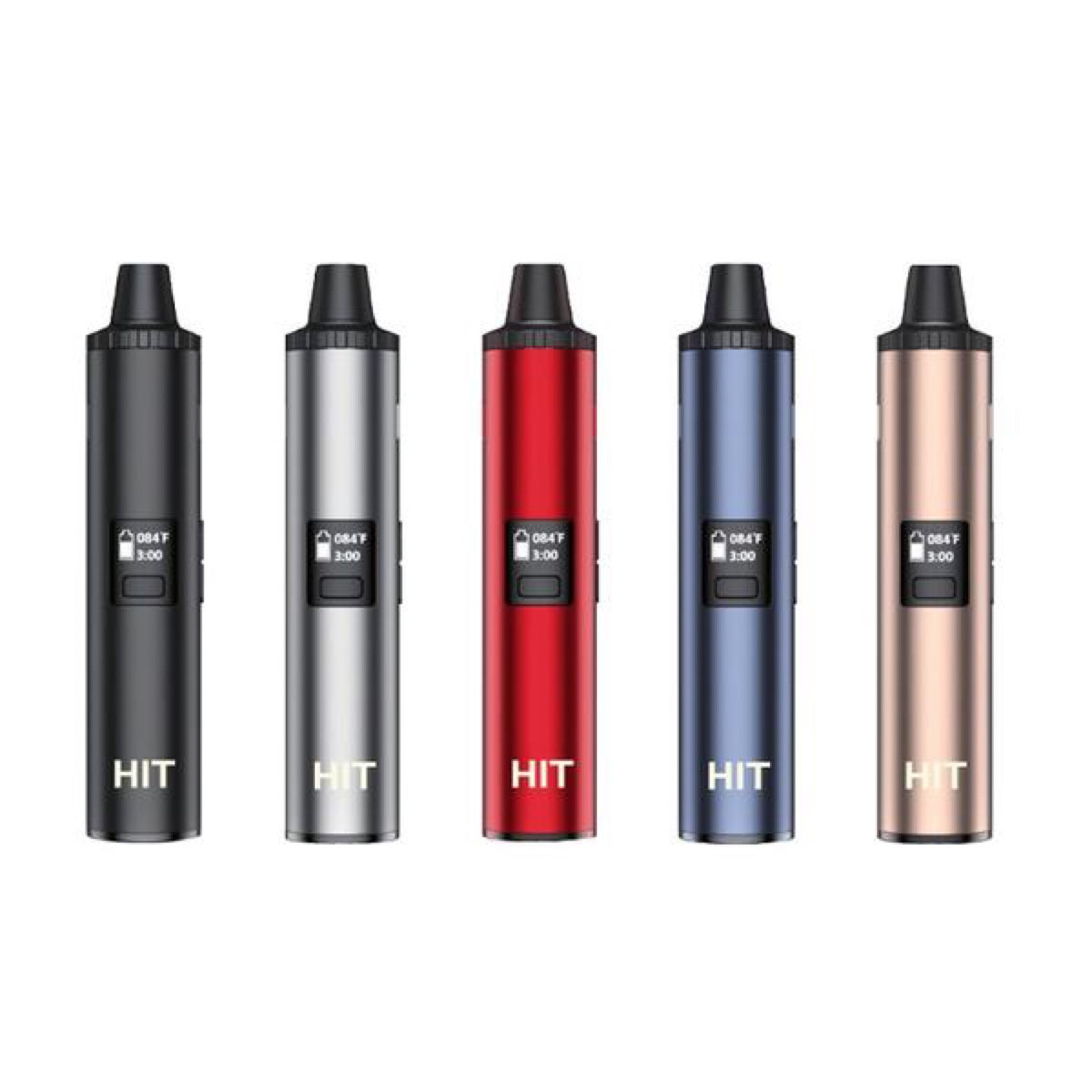
Turn on your device and let it reach the target temperature. Most dry herb vapes offer preheat functions that gently warm the material before you take your first hit, which helps vaporize the first few draws more effectively. If your device has adjustable temperature settings, start in the middle range—around 380°F (193°C)—to balance flavor and vapor density.
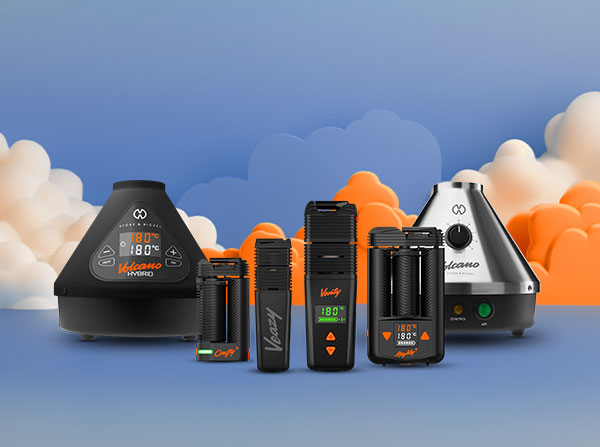
Once the device is ready, take a slow, deep breath. Unlike smoking, where you might inhale quickly, vaping requires a gradual draw to allow the hot air to fully extract the compounds from the herb. Pull for three to five seconds, hold the vapor in your mouth for a moment to appreciate the flavor, and then inhale it into your lungs. Avoid taking rapid, short puffs, which can lead to a harsh, dry hit.
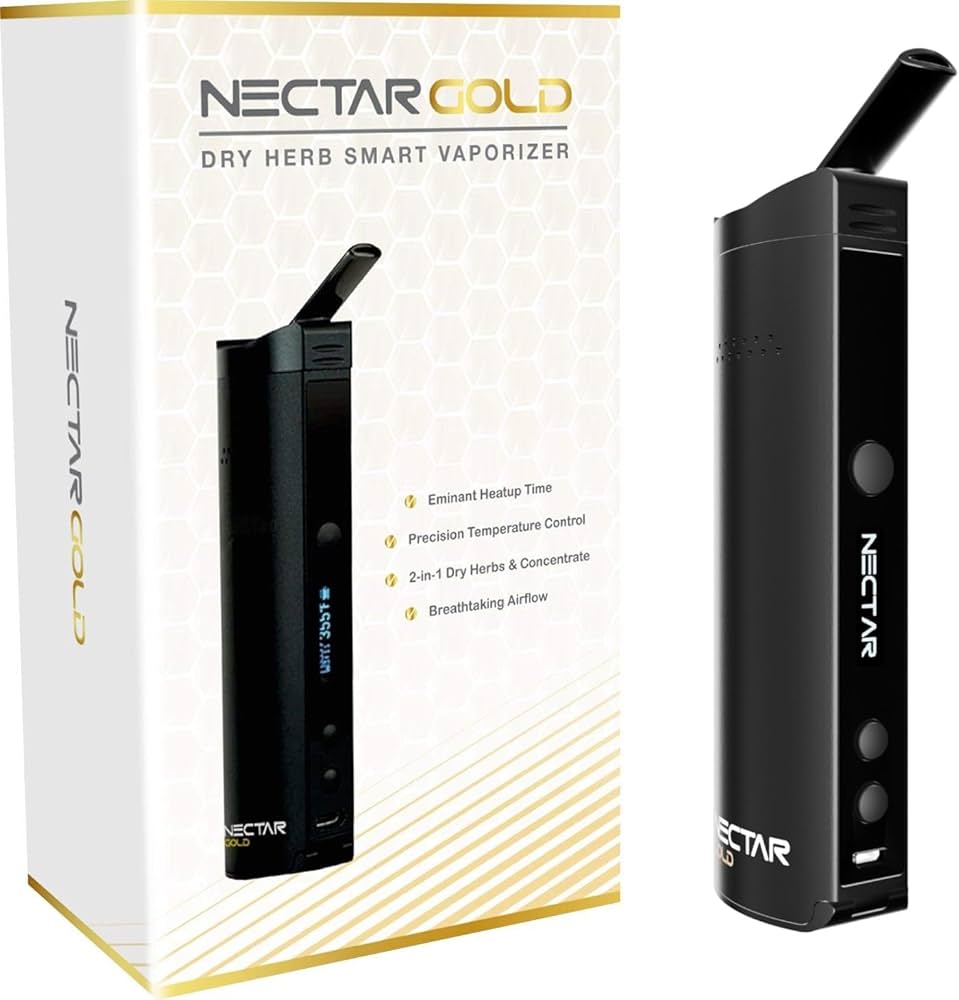
Clean your vaporizer while it is still slightly warm, but not hot. Use a small brush or cotton swab to remove any loose herb residue from the chamber and mouthpiece. Regular cleaning prevents resin buildup, which can affect airflow and impart a burnt taste to future sessions. For a deeper clean, follow the manufacturer's instructions for disassembling the oven and cleaning the internal components.
Find your balance between flavor and potency
Temperature is the primary dial for shaping your session. Lower settings highlight the delicate terpenes, while higher heat releases heavier cannabinoids. Most dry herb vaporizers let you choose between precise presets and a continuous range, giving you control over the experience.
For a clean, aromatic session, start between 320°F and 340°F (160°C–171°C). This range preserves the complex flavors of your herb without producing thick clouds. It is the ideal setting for daytime use or when you want to taste the nuances of different strains. Devices like the PAX 3 offer precise digital controls that make hitting these lower temperatures consistent.
If you prefer a stronger, more sedative effect, raise the temperature to 390°F–430°F (199°C–221°C). At this heat, you will notice denser vapor and a more intense body effect. Be aware that pushing past 430°F can introduce a harsh, burnt taste. The Storz & Bickel Mighty+ allows you to step up gradually, helping you find the sweet spot where potency meets smoothness.
Common dry herb vaporizer: what to check next
Users frequently ask how to get the most out of their device without wasting material or drawing unwanted attention. The answers usually come down to technique, temperature management, and an understanding of how vapor differs from smoke.
How to properly hit a dry herb vape?
Start by grinding your material to a consistency similar to coarse sand. Pack the oven loosely if your device uses convection heating, or tighter if it relies on conduction. Set the temperature between 370-390°F (187-198°C) for a balance of flavor and cloud production. Take slow, steady draws rather than pulling hard, and clean the chamber while it is still warm after each session.
Do dry herb vapes still get you high?
Yes. Research indicates that vaping delivers subjective effects comparable to smoking when blood THC concentrations are similar. While the onset and intensity may feel different due to the lack of combustion, the psychoactive impact remains effective for recreational users seeking the standard cannabis experience.
Can my neighbors smell dry herb vape?
Vaporizers produce significantly less odor than traditional smoking, and the scent dissipates much faster. However, they are not completely odorless. Most devices still release a faint herbal aroma that can be detected nearby, so discretion depends heavily on the specific model and ventilation used.
What should I set my dry herb vape to?
Temperature settings dictate whether you prioritize flavor or potency. For the best taste, set your device between 320–340°F (160–171°C). If you are looking for stronger effects, increase the temperature to 390–430°F (199–221°C). Start low and adjust gradually to find your preferred range.
No comments yet. Be the first to share your thoughts!