
Precision Heating: A New Era
Vaping used to be a compromise. Early devices were portable but often sacrificed flavor and control. Simple up-and-down temperature buttons on traditional vaporizers made it hard to find the right temperature for your material. Now, precise heating technology is changing that.
Vaporizers now move beyond basic settings, using algorithms and sensors for stable, accurate heat. The focus is on holding the temperature, not just setting it. Older devices were inconsistent, overshooting or undershooting. This new generation eliminates that.
Precise temperature control improves flavor, material efficiency, and tailored effects. Different cannabinoids and terpenes vaporize at specific temperatures. Targeting these points offers customization for a more intentional, satisfying session.
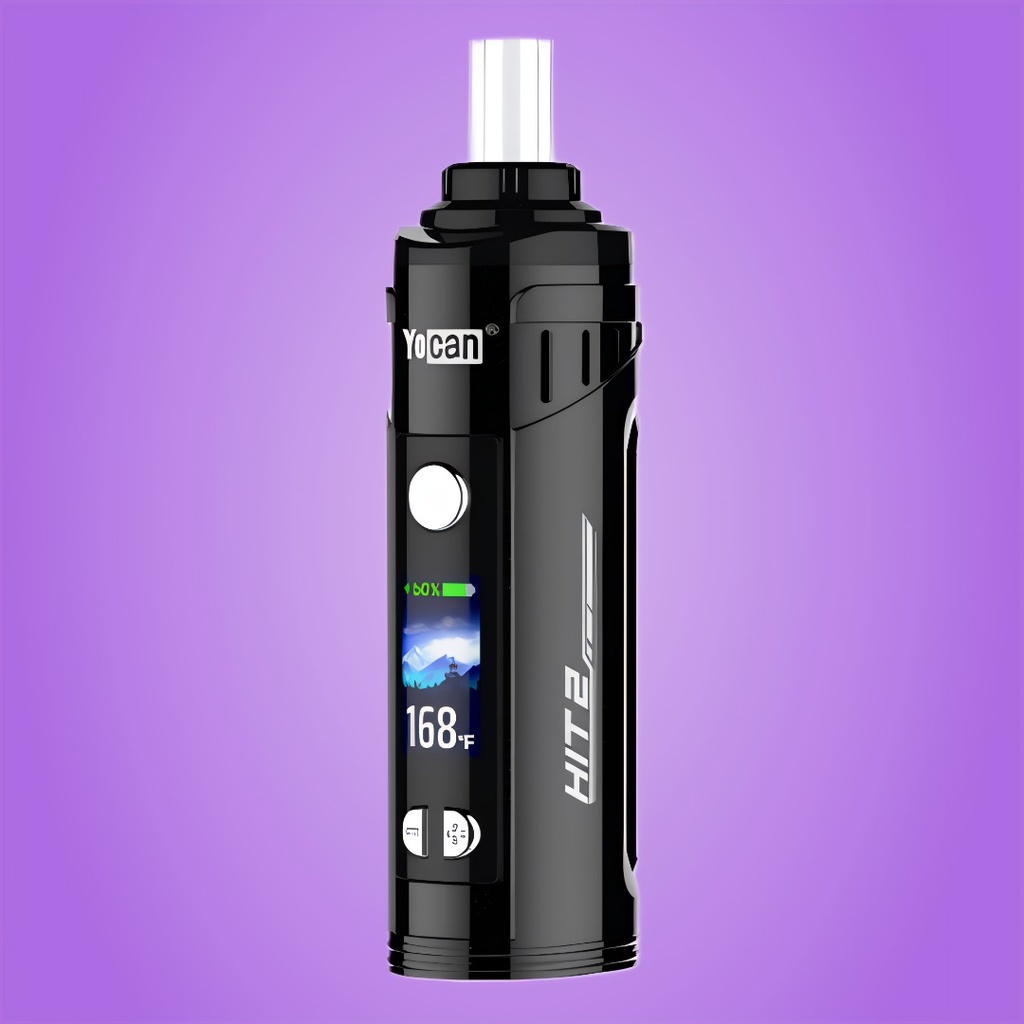
Beyond Up and Down: Algorithmic Control
Algorithmic control is central to this change. Vaporizers now dynamically adjust heat in real-time, reacting to material type, draw style, and ambient temperature, rather than just using presets.
Some devices are starting to learn user preferences. While full AI isn't here yet, vaporizers can adapt to your draw speed and intensity, optimizing the heating profile. This uses complex control loops, like PID controllers, a standard technique in fields such as anesthesia delivery (NCBI).
PID controllers measure actual temperature, compare it to the desired temperature, and adjust the heating element to minimize the difference. This provides stable, accurate temperature maintenance, unlike older systems. The aim is to reduce overshoot and oscillation for consistent vapor production.
This control requires processing power and software. Manufacturers are developing these algorithms, leading to more intelligent, responsive vaporizers for a predictable, enjoyable user experience.
Material Science: The Heating Element Evolution
Algorithmic control is only part of the story. The heating element is also key for precise vaporization. Traditional coils have limitations in heat-up time, flavor purity, and durability. The industry is exploring alternative materials to address these.
Ceramic and quartz are rapidly gaining popularity. Ceramic offers thermal stability and clean flavor. Quartz heats up quickly, ideal for concentrates and oils. Both materials impart fewer unwanted flavors than metal coils. New alloys and composites are also being experimented with to maximize heat transfer and minimize reactivity.
Surface area and material contact are important. Larger surface areas allow for even heating, and direct contact ensures efficient heat transfer. Heating element design is as important as the material. Manufacturers refine designs to optimize performance and flavor.
- Ceramic: Excellent thermal stability, clean flavor
- Quartz: Rapid heat-up, ideal for concentrates
- Alloys/Composites: Maximized heat transfer, minimized reactivity
Heating Element Material Comparison for Vaporizers (2026 Trends)
| Material | Heat-up Time | Flavor Purity | Durability | Ease of Cleaning |
|---|---|---|---|---|
| Ceramic | Good | Excellent ✨ | Good | Good |
| Quartz | Fair | Excellent 💎 | Fair | Fair |
| Kanthal | Excellent 🔥 | Good | Fair | Fair |
| Titanium | Good | Good | Excellent 💪 | Good |
| Stainless Steel | Good | Fair | Excellent | Excellent 🧼 |
| Nichrome | Excellent | Fair | Good | Fair |
Illustrative comparison based on the article research brief. Verify current pricing, limits, and product details in the official docs before relying on it.
Sensor Technology: Knowing the True Temperature
Precise temperature control needs accurate sensing. Without a reliable way to measure the temperature at the vaporizing point, algorithms are useless. Thermocouples and RTDs are common sensor choices.
Sensor placement is critical. Its proximity to the vapor path and whether it measures the heating element or inhaled air matters. A temperature gradient exists within the vaporizer, so the sensor must accurately reflect the user's experience.
Measuring temperature accurately in a small space is challenging due to airflow, conduction, and radiation. Sensor calibration is essential, and manufacturers use automated routines for accuracy. Sensor quality directly impacts system performance.
Manufacturers minimize the distance between the sensor and vapor path, using algorithms to compensate for temperature gradients. This area sees significant innovation.
User Interfaces: Control in Your Hands
User interfaces have also improved alongside heating technology. Vaporizers now offer more intuitive, customizable controls than simple button presses and basic displays.
OLED and LCD screens offer clearer displays, while e-ink provides readability and low power use. App-based control is a key innovation, allowing granular temperature adjustments, custom profiles, and remote monitoring.
Voice control integration allows hands-free adjustments. Haptic feedback provides tactile confirmation of actions. Blue Leaf Dispensary notes that luxury accessories prioritize sophisticated, intuitive interfaces.
undefined between ease of use and depth of control. A vaporizer should be accessible to beginners, but also offer enough customization options to satisfy experienced users. A well-designed user interface is essential for unlocking the full potential of these advanced heating systems.
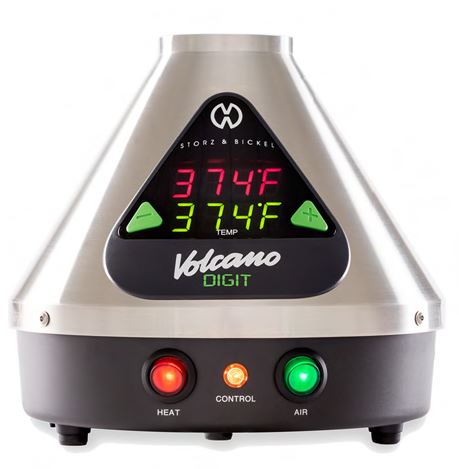
The Impact on Extracts and Flower
Precise temperature control isn’t just a technical achievement; it directly impacts the user experience with different cannabis materials. Different cannabinoids and terpenes vaporize at different temperatures, and understanding these vaporization points is key to maximizing flavor, potency, and effects.
For flower, knowing the optimal temperature range for specific terpenes allows you to unlock a wider range of flavors and aromas. Lower temperatures generally preserve more delicate terpenes, while higher temperatures can extract more cannabinoids. With precise control, you can tailor the experience to your preferences.
With concentrates, oils, and waxes, the impact is even more pronounced. Precise temperature control prevents burning and ensures that you’re vaporizing the desired compounds without damaging them. This results in a cleaner, more flavorful, and more potent vapor. Different cannabinoids and terpenes also have different boiling points, meaning you can target specific effects by adjusting the temperature accordingly.
Experimentation is key. Finding the optimal temperature for your specific material and desired effects is a personal journey. But with the advanced temperature control systems available in 2026, that journey is more precise, more rewarding, and ultimately, more enjoyable.
Future Trends: What's on the Horizon?
The temperature control revolution is far from over. We can expect to see even more innovation in the years to come. One potential trend is the integration of biometrics. Imagine a vaporizer that adjusts the temperature based on your heart rate or other physiological data, optimizing the experience in real-time.
AI is also likely to play a larger role. Vaporizers could eventually learn your preferences and automatically suggest optimal settings based on the material you’re using and the effects you’re seeking. Closed-loop systems, which automatically adjust parameters based on vapor analysis, are another possibility.
Perhaps the biggest challenge is bringing the precision of desktop vaporizers to portable devices. Currently, there’s often a trade-off between portability and performance. Overcoming this limitation will require further advancements in battery technology, sensor technology, and heating element design.
While some of these developments are speculative, they’re grounded in the current trends. The future of vaping is undoubtedly one of greater precision, greater customization, and a deeper understanding of the science behind cannabis consumption.

No comments yet. Be the first to share your thoughts!