
How dry herb vaporizers work
Understanding the mechanics behind a dry herb vaporizer helps you make sense of the differences in flavor, efficiency, and build quality across various models. At its core, a vaporizer is designed to heat plant material to a specific temperature range that releases active compounds as vapor without burning the herb into smoke. This distinction is what separates the experience from traditional combustion.
The primary mechanism used in these devices falls into two categories: conduction and convection. Conduction vaporizers rely on direct contact between the heating element and the herb. As the metal chamber heats up, the plant material touching the walls absorbs that heat directly. This method is often found in simpler, more affordable portable units. While conduction can be fast and efficient at conserving energy, it can sometimes lead to uneven heating if the herb isn't packed correctly or stirred, potentially resulting in some burnt spots alongside cooler, unvaporized material.
Convection vaporizers take a different approach by using hot air to pass through the herb chamber. Instead of relying on a hot surface to cook the plant matter, the device draws air over a heating element and pushes that hot air through the ground herb. This method generally provides a more consistent and even heat distribution throughout the entire chamber. Many enthusiasts prefer convection for its superior flavor profile and the ability to extract compounds more thoroughly, often leading to a smoother inhale.
Some modern devices blend both methods, using conduction to pre-heat the herb and convection to maintain the temperature during the draw. This hybrid approach aims to capture the speed of conduction with the consistency of convection. When evaluating a dry herb vaporizer guide, paying attention to which heating method a device employs can signal what kind of experience to expect.
Best portable dry herb vaporizers
Finding the right portable dry herb vaporizer guide often comes down to balancing discretion with performance. You want something that fits in a pocket but still delivers a smooth, consistent draw. The market is crowded, but a few models stand out for their reliability and user-friendly design.
DynaVap M
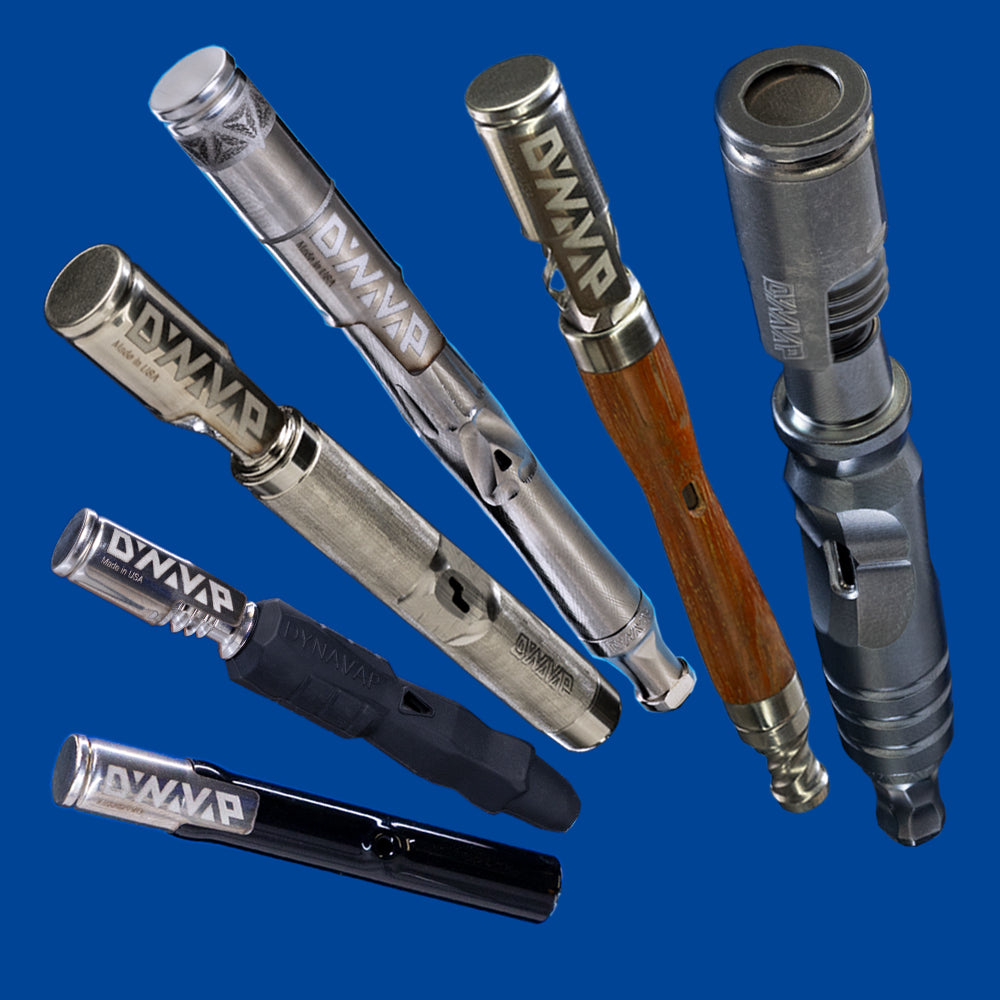
The DynaVap M is a heat-not-burn device that requires a lighter, but it remains one of the most trusted options for enthusiasts. It has no batteries to charge and no electronics to break, making it nearly indestructible. The metal body heats up quickly, and the audible click signals when the temperature is perfect. It is incredibly lightweight and fits easily into any bag or pocket.
Arizer Air Max
For those who prefer battery-powered convenience, the Arizer Air Max offers a great balance of power and portability. It features a glass whip that delivers exceptionally smooth vapor, which is gentle on the throat. The device heats up in under a minute and includes a removable battery pack, so you can swap it out if you forget to charge it. It’s a solid choice for users who prioritize vapor quality.
PAX Era
The PAX Era is designed for simplicity and sleekness. It uses pre-filled pods, which eliminates the need to grind or load herbs manually. This makes it the most user-friendly option for beginners or those who want a mess-free experience. While it sacrifices some customization for ease of use, the draw resistance is well-tuned, and the device feels premium in hand.
Comparison of Top Portable Picks
The table below compares the key specs for these top-rated portable dry herb vaporizer guide selections. Battery life, heat-up time, and material type are the primary factors to consider when choosing your device.
| Model | Power Source | Heat-Up Time | Build Material |
|---|---|---|---|
| DynaVap M | Lighter | ~15 seconds | Stainless Steel |
| Arizer Air Max | Rechargeable Battery | < 1 minute | Glass & Metal |
| PAX Era | Rechargeable Battery | ~10 seconds | Aluminum & Ceramic |
Best desktop dry herb vaporizers
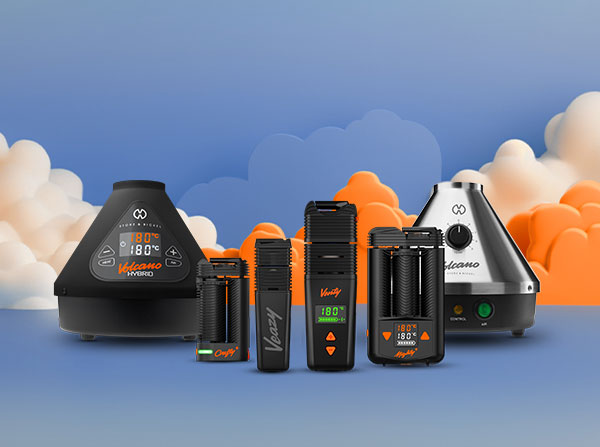
Desktop dry herb vaporizers are the heavy hitters of the vaporization world. Unlike portable units, these devices plug into a wall outlet, giving you access to larger batteries, more powerful heating elements, and bigger air chambers. The trade-off is portability, but for users who prioritize vapor volume and consistency, the stationary form factor is worth it.
These units typically feature convection heating, where hot air is blown through the herb chamber. This method ensures even heating and prevents hot spots that can lead to harsh hits. Because they draw more power, desktop vaporizers can heat up faster and maintain stable temperatures for longer sessions, making them ideal for home use or social gatherings.
When choosing a desktop model, look for features like interchangeable mouthpieces, programmable temperature profiles, and easy-to-clean air paths. Some models even offer dual heating elements for rapid recovery between draws. The goal is to find a machine that delivers smooth, flavorful vapor without requiring constant attention.
How to use your vaporizer correctly
Best Dry Herb Vaporizers of works best as a sequence, not a scramble through settings. Do the minimum first: confirm compatibility, connect the core hardware, update only when needed, and test the result before adding optional features. That order keeps the task understandable and makes failures easier to isolate. After each step, pause long enough for the interface to finish syncing. Many setup problems are timing problems disguised as configuration problems. If the same step fails twice, record the exact error, restart the smallest affected piece, and retry before moving deeper.

Common dry herb vaporizer mistakes
Best Dry Herb Vaporizers of troubleshooting should start with a clear boundary: what is actually broken, and what still works normally. Check the display, network connection, paired devices, app access, and recent updates before assuming the whole system needs a reset. A small connection failure can make the main screen feel unreliable even when the core system is fine. Work from low-risk checks to deeper resets. Confirm power state, safe parking, account access, and signal first. Then restart the interface, wait for it to reload completely, and test the original symptom. Avoid changing multiple settings at once because that makes it harder to know which step actually fixed the problem. If the issue affects safety information, repeats after every restart, or appears with warning messages, treat the reset as a temporary diagnostic step rather than the final fix. Document the symptom and move to official support instead of stacking more DIY attempts.
The simplest way to use this section is to keep the setup small, verify each change, and record the stable configuration before adding optional accessories.
Frequently asked questions about vaporizers
Here are answers to the most common questions we get about using and maintaining a dry herb vaporizer guide.
No comments yet. Be the first to share your thoughts!