
Vaporizer 2026 budget
Finding a dry herb vaporizer under $100 requires accepting specific tradeoffs in build quality and heating speed. At this price point, you are buying function over finish. The devices feel lighter, often use more plastic, and may lack the rapid heat-up times of premium models. However, several options deliver reliable convection or conduction heating that satisfies daily users without breaking the bank.
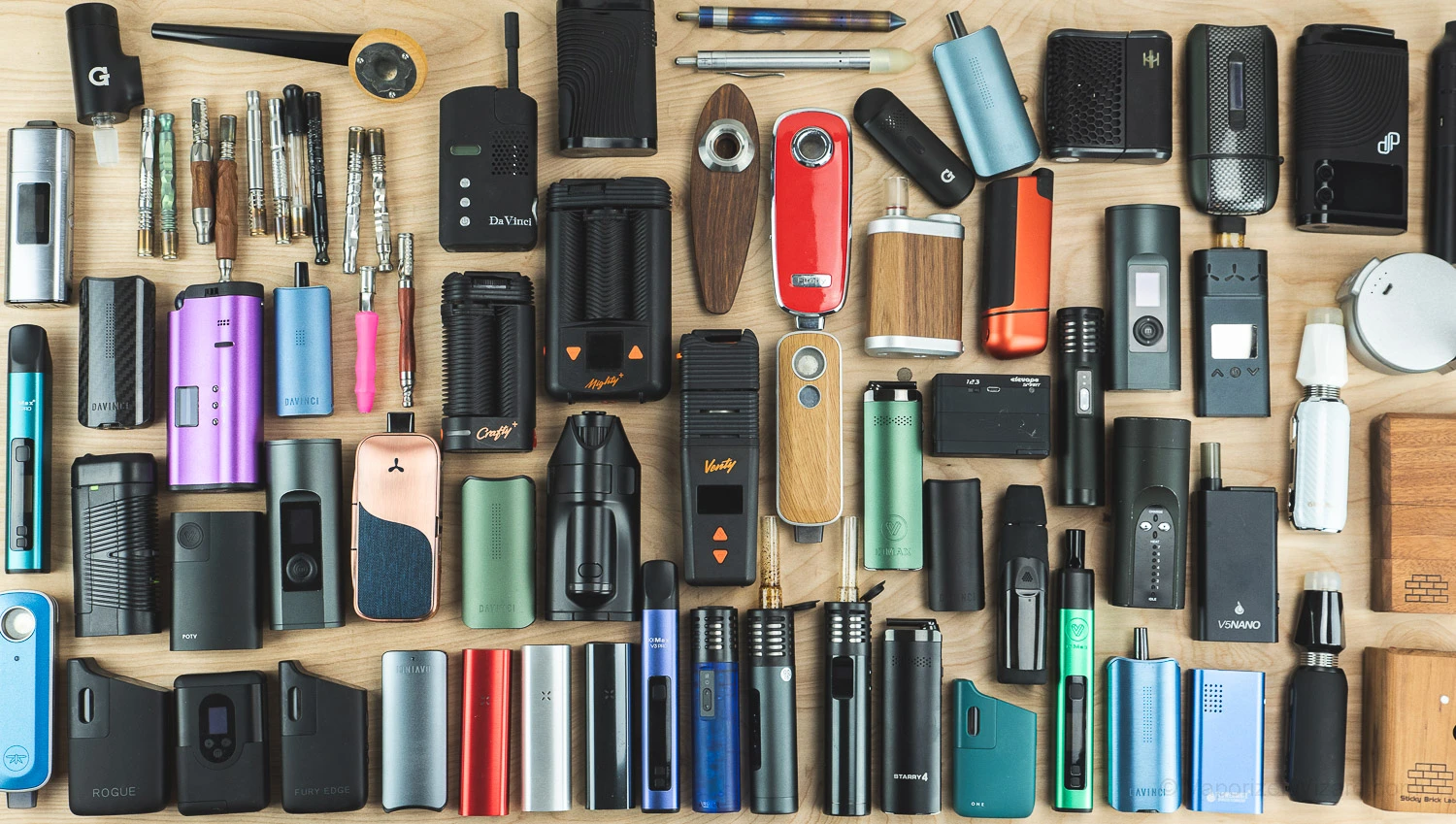
The HR Rogue 2 stands out as the best pocket-friendly option for beginners. It offers a simple interface and consistent vapor production for the price. While the flavor profile is decent, it does not match the clarity of higher-end devices like the Tinymight 2. For those prioritizing portability, the Pax Flow provides a sleeker design and better battery management, though its airflow is less customizable.
When shopping for a budget model, check the warranty and replacement part availability. Cheaper devices often have proprietary parts that are hard to source after a year. Stick to brands with established support channels. This ensures that if your mouthpiece cracks or the battery degrades, you can maintain the device rather than replacing the entire unit.
Note: Budget vaporizers often use ceramic heating chambers. These provide good flavor but can absorb residues over time. Regular cleaning is essential to maintain performance and prevent off-tastes as the device ages.
Shortlist real options
Finding the best vaporizer 2026 lineup requires looking past marketing hype to what actually works in daily use. The market has shifted toward devices that balance precise temperature control with reliable battery life. Below are the top contenders that consistently deliver on flavor, density, and build quality.
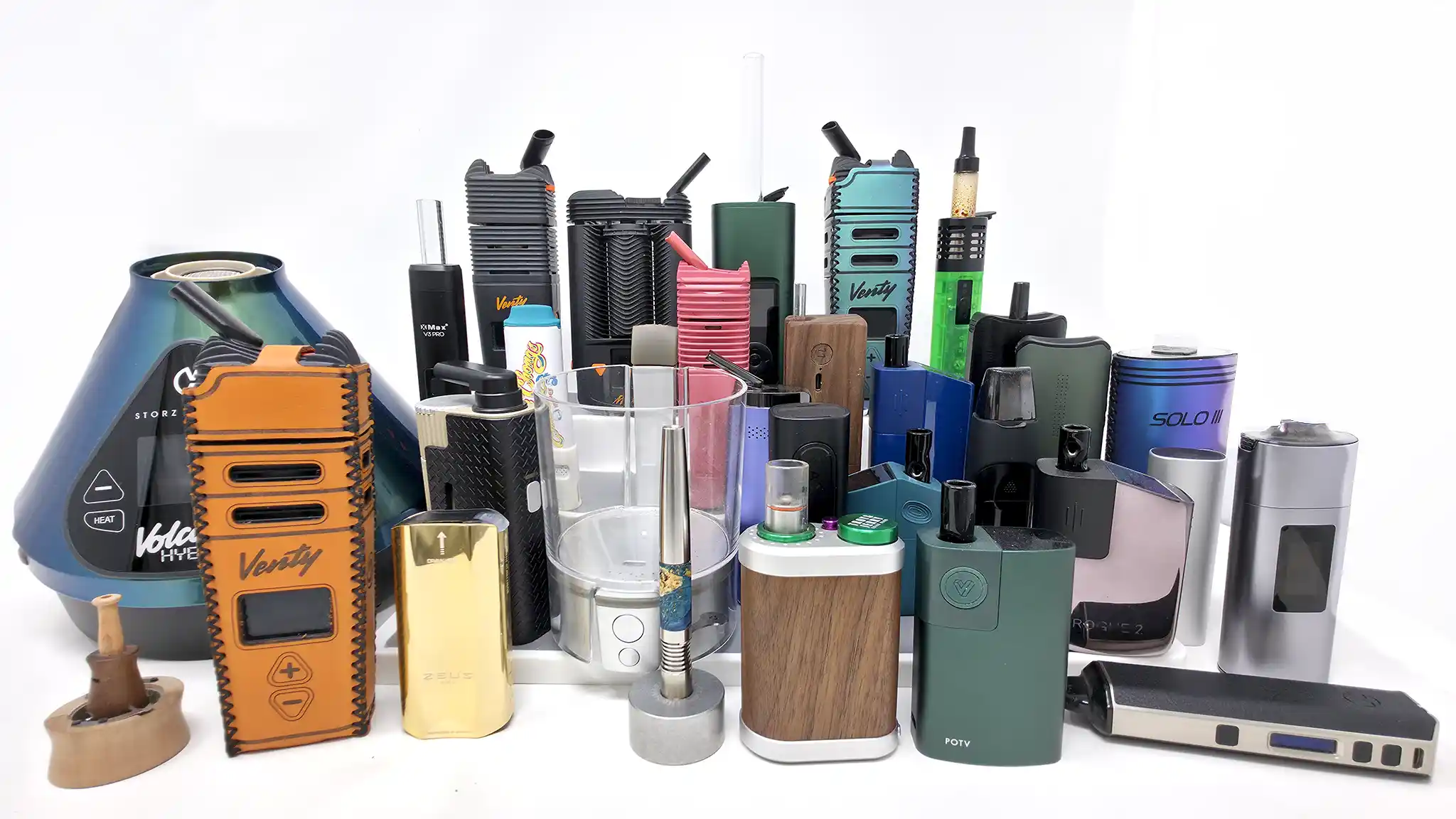
The Venty Vaporizer takes the top spot for overall performance. It offers a smooth draw and consistent heating, making it a strong all-rounder for most users. For those prioritizing pure flavor extraction, the Tinymight 2 stands out. Its convection heating method preserves the terpene profile better than many hybrid models, delivering a cleaner taste experience.
Portability is key for many buyers, and the Pax Flow excels here. It is pocket-friendly without sacrificing the core vapor quality that the Pax brand is known for. Beginners often find the HR Rogue 2 easier to navigate due to its straightforward interface, avoiding the complexity of advanced digital controls.
For users who want versatility, the Mighty+ remains a durable choice. It handles both dry herbs and concentrates well, offering a robust build that lasts for years. Meanwhile, community favorites like the Simrell Hydro and Airvape Legacy Pro continue to gain traction for their unique hybrid approaches to vaporization.
| Vaporizer Model | Best For | Heating Type | Portability |
|---|---|---|---|
| Venty Vaporizer | Overall Performance | Hybrid | High |
| Tinymight 2 | Flavor | Convection | Medium |
| Pax Flow | Portability | Convection | Very High |
| HR Rogue 2 | Beginners | Conduction | High |
| Mighty+ | Versatility | Convection | Medium |
| Simrell Hydro | Hybrid Use | Convection | Medium |
These models represent the current standard for dry herb vaporizers. Choosing the right one depends on whether you value flavor, convenience, or raw power most in your daily routine.
Inspect the expensive parts
Vaporizers are精密 instruments where a single cracked seal or corroded battery terminal can ruin a $300 device. Before you buy a used unit or decide if a repair is worth the cost, check the components that actually fail. Skip the cosmetic scratches; focus on the parts that control heat and airflow.
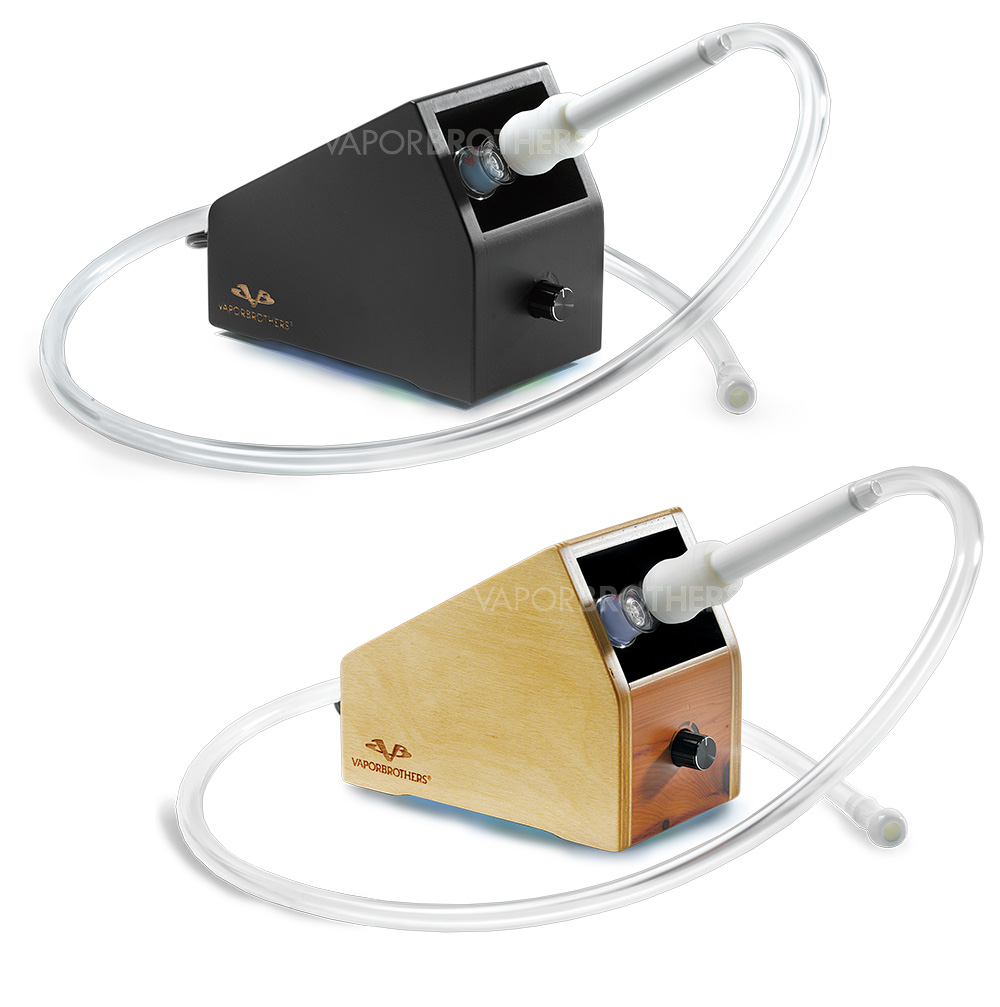
The mouthpiece takes the most physical abuse. Hold it up to a light and look for hairline fractures. A cracked mouthpiece wastes heat and can let unvaporized herb escape. If the threads are stripped, the seal won’t hold, and you’ll lose efficiency. Replacement mouthpieces are cheap, but a cracked stem on the main body is a dealbreaker.
Silicone or rubber seals keep the heat inside the oven. Over time, heat degrades these materials, causing them to shrink or become brittle. Press gently on the seal; if it feels hard or crumbly, it’s failing. A bad seal means the vaporizer can’t reach or maintain temperature, leading to harsh, inefficient sessions. This is the most common cause of performance drops in older units.
Battery failure is the most expensive repair. Check the charging contacts for green or white corrosion. Clean them with isopropyl alcohol and a cotton swab. If the device won’t hold a charge or shuts off below 50% capacity, the battery cells are likely degraded. For non-replaceable batteries, this usually means the end of the device’s life.
Look inside the oven chamber. Ceramic or metal heating elements should be intact and free of heavy carbon buildup that won’t scrub off. If the element is visibly broken or disconnected, the vaporizer cannot heat evenly. In some models, the element is replaceable; in others, it is fused to the board, making repair impractical.
Airflow filters catch fine particles and protect the internal mechanics. Remove and inspect them for clogging or tears. A clogged filter forces the battery to work harder to pull air, draining power quickly. Torn filters let herb dust into the mouthpiece or internal fan, causing long-term damage. These are inexpensive parts that should be replaced regularly.
Plan for ownership costs
A cheap vaporizer often costs more over time than a premium model. The initial price tag only covers the hardware. Long-term value depends on how much you spend on maintenance, replacement parts, and energy. If you ignore these ongoing costs, a budget device can quickly become a financial drain.
Replacement parts and consumables
Most dry herb vaporizers require periodic part replacements. Mouthpieces crack or discrown. Oven screens clog and need cleaning or swapping. Heating elements degrade, especially in convection models that run at high temperatures. Check the manufacturer’s guide for recommended replacement intervals. Some brands sell replacement kits; others require buying entire assemblies. Factor these recurring costs into your decision.
Cleaning and maintenance time
Resin buildup is inevitable. Regular cleaning preserves flavor and efficiency. Some devices disassemble easily for a quick wipe. Others require specialized tools, brushes, or isopropyl alcohol soaks. If you dislike maintenance, choose a model with fewer crevices or self-cleaning features. Neglecting cleaning leads to clogged airflow and poor vapor quality, forcing more frequent part replacements.
Energy consumption
Vaporizers draw power. Battery-operated models require charging. Plug-in models use electricity. High-wattage devices, especially desktop units, consume significant power. Calculate the cost of charging or plugging in your device daily. A high-efficiency battery that lasts days on a single charge saves time and money compared to a device needing nightly charges.
When cheap stops being cheap
A $50 vaporizer might seem like a bargain. But if it breaks in six months, or if replacement parts cost $30 each, the total cost exceeds a $200 model that lasts years. Look at the total cost of ownership, not just the sticker price. Premium models often include higher-quality materials, better warranties, and accessible replacement parts, reducing long-term expenses.
Vaporizer 2026: what to check next
Choosing the right dry herb vaporizer in 2026 often comes down to balancing vapor quality, portability, and heating technology. Below are answers to the most common questions to help you decide which device fits your routine.
No comments yet. Be the first to share your thoughts!