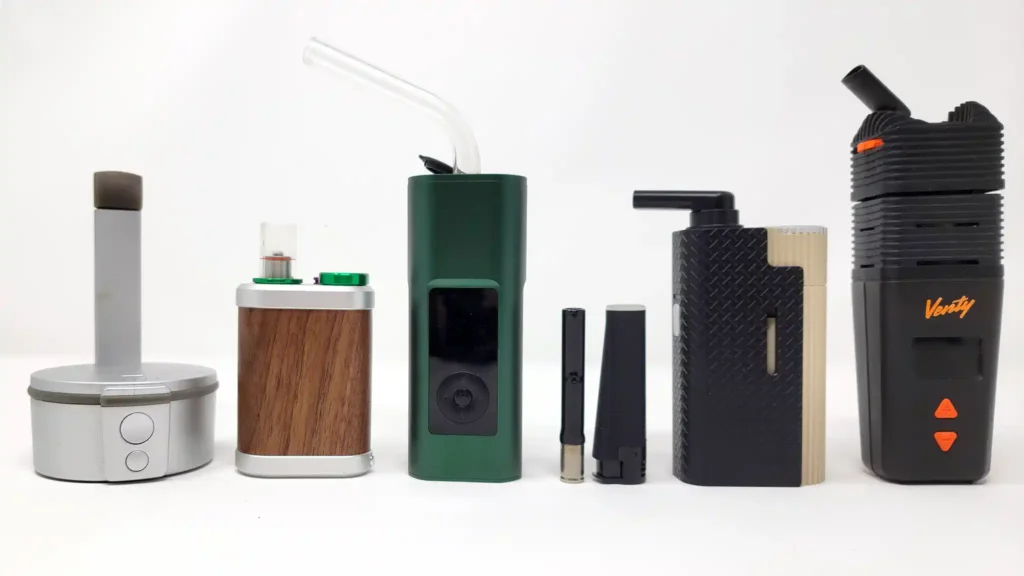

How we evaluated portable dry herb vaporizers
Selecting the top portable dry herb vaporizer requires looking past marketing claims and focusing on three measurable pillars: heating consistency, flavor purity, and battery endurance. Our evaluation process involves rigorous side-by-side testing of devices to determine which units deliver reliable performance under real-world conditions.
Heating type is the first filter. We prioritize hybrid heating systems that combine convection and conduction. This approach ensures the herb is heated evenly without scorching, which directly impacts taste and efficiency. Pure conduction models often suffer from hot spots, while pure convection units can sometimes lack the density required for a satisfying session.
Flavor purity is determined by the vapor path material. We test devices with glass, ceramic, or stainless steel paths, avoiding rubber or plastic components that can impart a chemical taste. A clean vapor path ensures the natural terpenes of the dry herb remain intact.
Battery life and charging speed are critical for portability. We assess how long a device lasts on a single charge under continuous use and how quickly it returns to full capacity. A leading device must be convenient enough to carry without constant anxiety about its power level.
By focusing on these concrete metrics, we eliminate devices that look good on paper but fail in practice. The rankings that follow are based on this structured testing, highlighting models that consistently perform across all categories.
Best portable vaporizer rankings
Finding the right portable vaporizer model means balancing heating technology, battery life, and flavor preservation. The market has shifted toward hybrid heating systems that combine conduction and convection, delivering faster warm-up times without sacrificing vapor quality. Below are the top-rated picks for 2024, categorized by their strongest performance attributes.
Best Overall: Venty
The Venty takes the top spot by offering a versatile hybrid heating system that adapts to different preferences. It reaches optimal temperature in just 20 seconds, making it ideal for users who want immediate results. The device features a robust battery life and a durable build, ensuring it can handle daily use without degradation. Its ability to switch between conduction and convection modes allows users to customize their experience, whether they prefer dense clouds or flavorful hits. For a detailed breakdown of its performance metrics, see the comparison table below.
Best Value: XMAX V3 Pro
For those looking to spend less without compromising on core functionality, the XMAX V3 Pro is a standout choice. It offers a full convection heating system at a fraction of the cost of premium models. The device is compact and lightweight, fitting easily into a pocket or bag. While it lacks some of the smart features found in higher-end units, its heating consistency and vapor production are impressive for the price point. It is a solid entry-level option for beginners and a reliable backup for seasoned users.
Best Flavor: TinyMight 2
The TinyMight 2 is widely regarded as the king of flavor preservation. Its pure convection design ensures that herbs are heated evenly without direct contact with heating elements, preventing scorching and preserving delicate terpenes. The device features a glass mouthpiece and a ceramic heating chamber, both of which contribute to its clean taste profile. Although it is more expensive and heavier than other options, the superior vapor quality justifies the investment for flavor-focused users. The stepless temperature control allows for precise adjustments, ensuring every session is tailored to your preference.
Comparison of Top Models
The table below highlights the key differences between the top three portable vaporizers for 2024. These metrics can help you decide which device best fits your lifestyle and usage habits.
| Model | Heating Type | Warm-Up Time | Battery Life | Vapor Path |
|---|---|---|---|---|
| Venty | Hybrid | 20s | High | Ceramic |
| XMAX V3 Pro | Convection | 60s | Medium | Ceramic |
| TinyMight 2 | Convection | 90s | High | Glass/Ceramic |
Conduction vs. convection: how heat moves
The way a vaporizer heats your material is the single biggest factor in flavor quality and session efficiency. Understanding the difference between conduction and convection helps explain why certain models rank higher in our roundup than others.
Conduction vaporizers heat the chamber directly. The herb sits in contact with a hot metal or ceramic surface, transferring heat through direct touch. This method is common in older or budget-friendly devices because it is simpler to manufacture. The downside is uneven heating; the herbs touching the heating element can scorch while the ones further away remain cool. This often leads to a harsher taste and wasted material.
Convection vaporizers use hot air to heat the material. A fan pushes heated air through the packed herb chamber, extracting flavor compounds more evenly and gently. Because the herbs do not touch a hot surface directly, the risk of combustion or burning is significantly lower. This results in cleaner vapor, better flavor preservation, and higher efficiency since less material is wasted to char.
While hybrid models that combine both methods exist, pure convection remains the gold standard for flavor purists. When evaluating portable options, prioritize devices that rely on forced air convection for the most consistent performance.
Choosing the right vaporizer for you
Selecting the right vaporizer model requires matching the device’s physical traits to your daily routine. A device that fits in a pocket but dies in twenty minutes is useless on a hike, just as a heavy unit with superior flavor is cumbersome for quick office breaks. Your primary constraint—whether it is battery life, portability, or taste—should dictate the final pick.
Start by evaluating your battery tolerance. For all-day usage without a charger, look for high-capacity units like the Mighty+ or Arizer Solo 3 v2.0. If you prioritize discretion and pocketability, devices like the Venty or Davinci IQ3 offer robust performance in smaller chassis, though you may need to carry a power bank.
Next, consider the flavor profile you prefer. Convection dry herb vaporizers, such as the Tinymight 2, generally provide cleaner, more nuanced taste compared to convection-conduction hybrids. If you value precise temperature control for microdosing, the AirVape Legacy Pro 2 offers specific settings to tailor your experience.
Finally, verify long-term maintenance costs. Check battery capacity (mAh), verify replacement part availability, and confirm warranty terms before purchasing. A slightly higher upfront cost often pays off in durability and consistent vapor quality.
-
Check battery capacity (mAh)
-
Verify replacement part availability
-
Confirm warranty terms
Frequently asked questions about vaporizers
Which portable vaporizer offers the best balance of price and performance? The XMAX V3 Pro is widely considered the best value option, delivering full convection heating and consistent vapor production at a budget-friendly price point. It serves as an excellent entry point for beginners while remaining reliable for experienced users.
What is the difference between conduction and convection heating? Conduction heats material through direct contact with a hot surface, which can lead to uneven heating and potential scorching. Convection uses hot air to circulate through the herb, providing a more even, gentle heat that preserves flavor and reduces waste. Hybrid models combine both methods to offer versatility.
How long do portable vaporizer batteries typically last? Battery life varies by model and usage. High-capacity devices like the Mighty+ can last all day with moderate use, while smaller pocket-sized units may require recharging after 2-3 sessions. Always check the mAh rating and estimated session count in the specifications.
Are replacement parts available for popular vaporizers? Yes, most major brands offer replacement parts such as mouthpieces, o-rings, and heating chambers. Checking for part availability before purchasing ensures long-term usability and easier maintenance.
No comments yet. Be the first to share your thoughts!