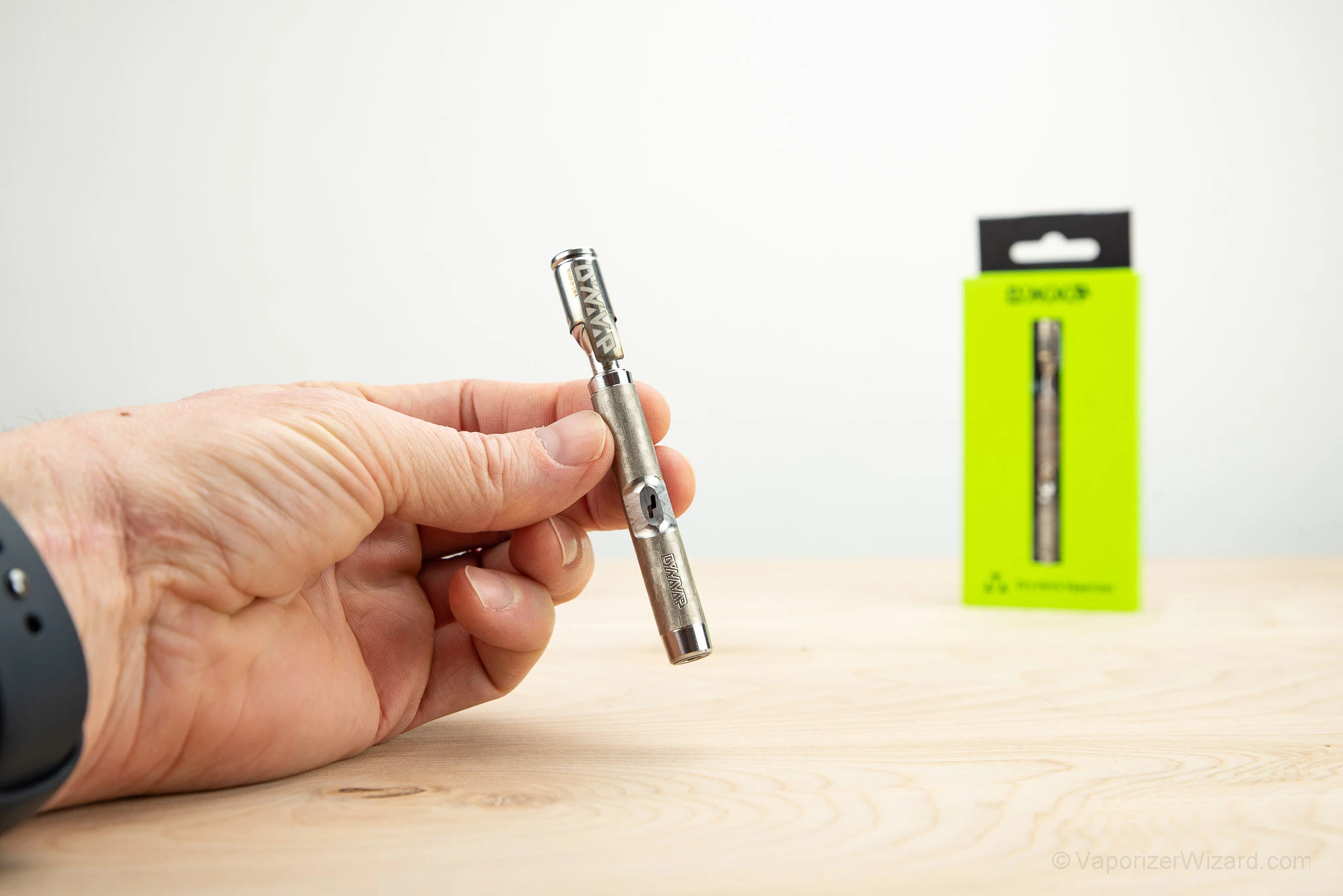

Dry herb vaporizer budget
Finding the right dry herb vaporizer budget starts with matching your spending to your usage habits. The market splits into three distinct tiers, each offering a different balance of portability, heating speed, and build quality. Understanding where you fit prevents overspending on features you won’t use or underbuying a device that breaks in weeks.
Entry-level ($50–$100)
This tier is ideal for occasional users or those testing the waters. Devices here are lightweight and easy to carry, but they often use plastic components and lack precise temperature controls. You’ll rely on convection or hybrid heating, which may lead to uneven vapor. Look for models with replaceable mouthpieces or screens to extend longevity. These are practical choices for beginners who want to see if vaporizing suits them without a major financial commitment.
Mid-range ($100–$250)
The sweet spot for regular users. Here, you get metal construction, reliable temperature accuracy, and faster heat-up times. Many models offer both convection and conduction heating, giving you more control over flavor and density. Batteries last longer, often supporting a full day of moderate use. Brands in this range prioritize durability and consistent performance, making them the most common choice for daily connoisseurs who value reliability over flashiness.
Premium ($250+)
Top-tier devices focus on precision, aesthetics, and advanced features like app connectivity or multi-chamber systems. You’ll find all-metal bodies, superior airflow engineering, and longer battery life. These are for enthusiasts who prioritize flavor purity and want a device that lasts for years. While the upfront cost is high, the build quality often justifies the price for those who vaporize daily and refuse to compromise on experience.
Shortlist real options
Choosing the right dry herb vaporizer depends on how you plan to use it. Whether you need a discreet pocket-sized device or a stable desktop unit, the market offers distinct tiers of performance. We have selected four standout models that balance build quality, heating consistency, and user experience.
These recommendations focus on real-world usability rather than inflated specifications. Each device serves a specific niche, from all-day portability to high-volume session vaping. Use the comparison table below to weigh the trade-offs between battery life, heating methods, and maintenance requirements.
| Feature | Arizer Solo 2 | PAX 3 | Volcano Hybrid | Boundless CFX |
|---|---|---|---|---|
| Type | Portable | Portable | Desktop | Portable |
| Heating | Convection | Hybrid | Convection | Convection |
| Battery | Replaceable | Internal | N/A | Internal |
| Control | Dial | App/LED | Button/Tact | Dial |
| Best For | Battery longevity | Discretion | Session power | Flavor precision |
Arizer Solo 2
The Arizer Solo 2 remains a favorite for users who prioritize battery reliability. Its replaceable battery system means the device can last for years, a significant advantage over competitors with sealed units. The glass-path design delivers clean vapor without plastic taste, making it a solid choice for flavor purists.
PAX 3
PAX 3 focuses on discretion and app integration. It is compact, quiet, and offers precise temperature control via smartphone. The hybrid heating system allows for both on-the-go hits and longer sessions, though the internal battery capacity is limited compared to the Solo 2. It is ideal for users who value aesthetics and smart features.
Volcano Hybrid
For home use, the Volcano Hybrid is the benchmark. As a desktop unit, it offers unlimited power and consistent convection heating. The balloon and direct tube methods provide flexibility for different preferences. It is not portable, but it delivers the most consistent and robust vapor experience for dedicated users.
Boundless CFX
The Boundless CFX is known for its adjustable airflow and pure convection heating. It offers a wide temperature range, allowing users to extract specific terpenes with precision. The device is slightly bulkier than the PAX 3 but offers better battery life and a more customizable vaping experience.
Inspect the expensive parts
Skip the cosmetic scratches. Focus your attention on the components that cost the most to replace or cause immediate device failure. A dry herb vaporizer is only as reliable as its heating pathway and seal integrity.
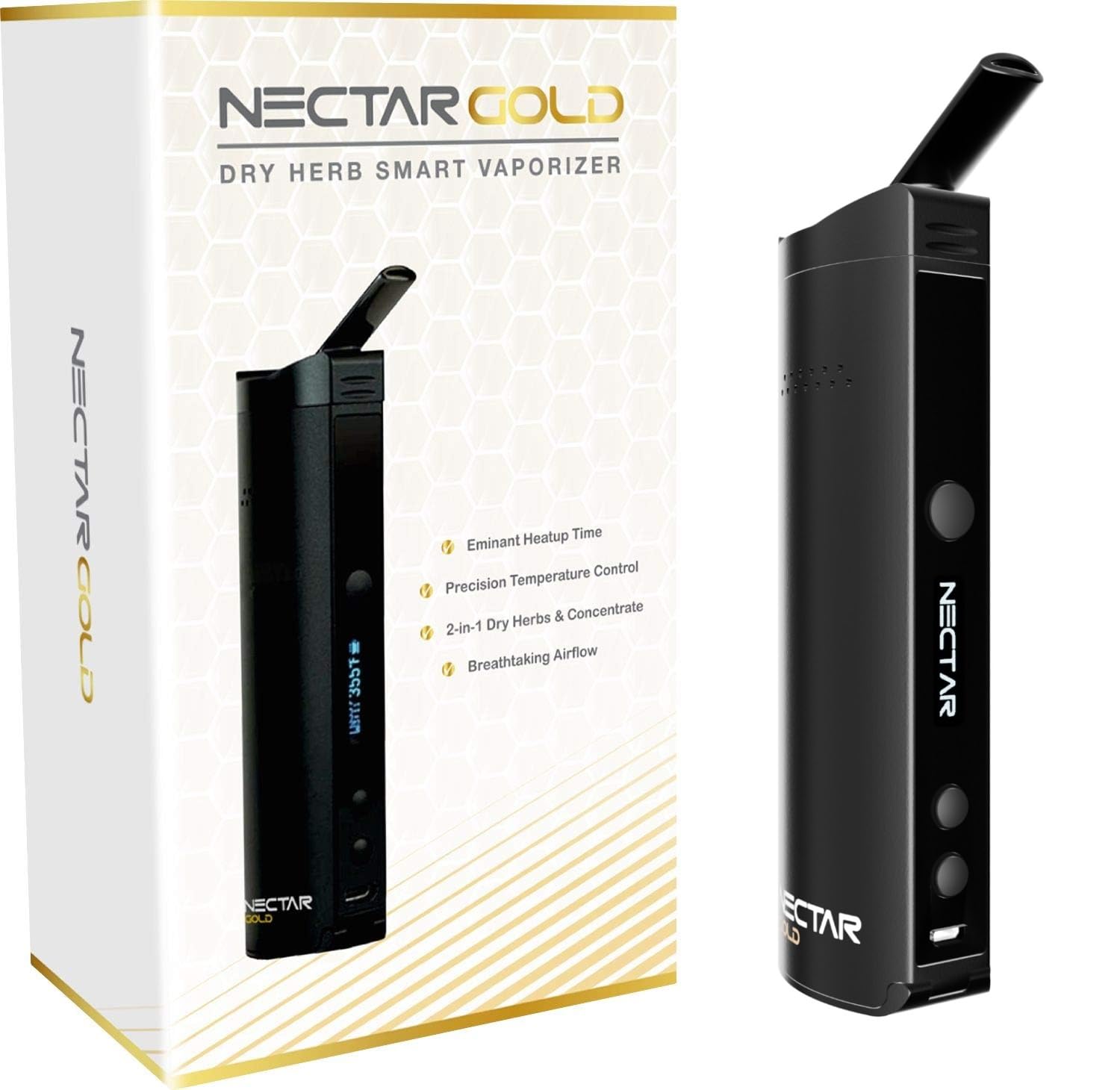
The mouthpiece is the first point of failure. Check the rubber O-ring or silicone gasket for cracks, flattening, or debris buildup. A compromised seal forces vapor to leak out the sides, wasting heat and reducing flavor. Clean the groove with a cotton swab and isopropyl alcohol to ensure a tight fit.
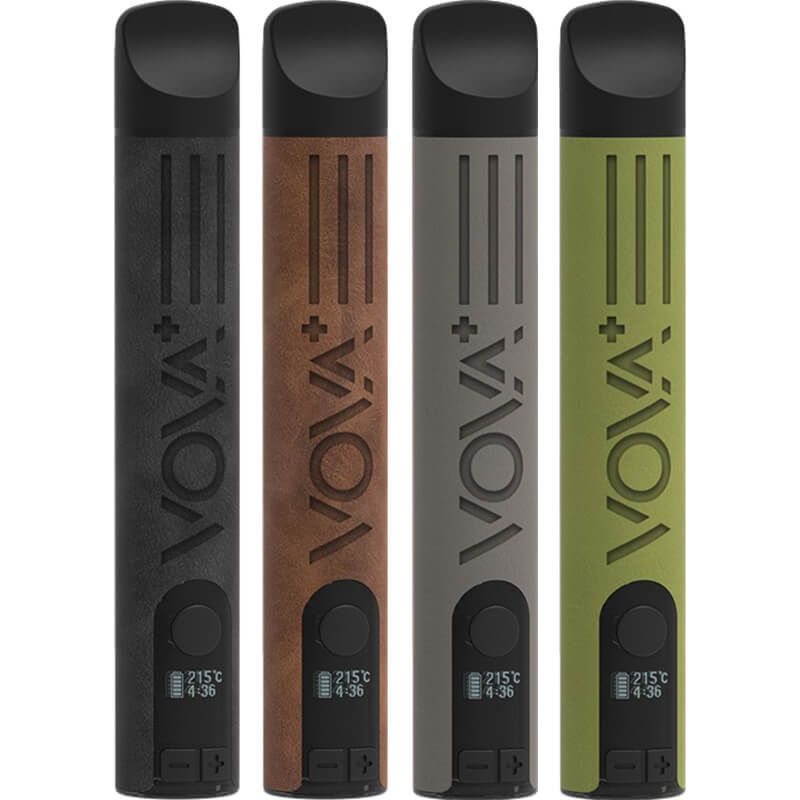
Look inside the chamber for resin buildup or burnt plant matter. Resin acts as an insulator, causing uneven heating and harsh hits. Use a stiff brush or pipe cleaner to remove debris from the mesh screen. If the screen is torn, vapor will escape into the battery compartment, potentially damaging the electronics.

Dirty or corroded battery contacts are a silent killer of performance. Wipe the metal contacts on both the battery and the pod/chamber with a dry cloth. Loose connections cause voltage drops, leading to weak vapor production or the device shutting off unexpectedly.
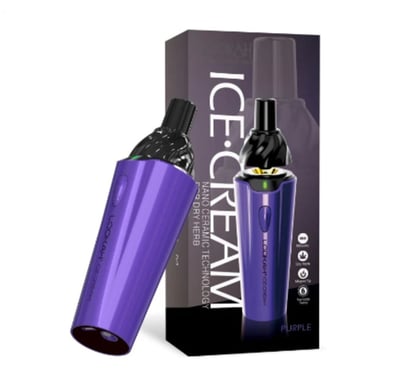
Ensure air flows freely from the mouthpiece through the chamber and out the exhaust. Block the mouthpiece and inhale gently; you should feel consistent resistance. If airflow is restricted, clean the internal air channels. Restricted airflow forces the heating element to work harder, shortening its lifespan.
Plan for ownership costs
The sticker price of a dry herb vaporizer is rarely the final number. While the upfront cost gets the device in your hand, the recurring expenses of filters, screens, and replacement parts determine the true value over time. A $100 device with cheap, frequently failing parts can cost more than a $300 model with durable, long-lasting components within two years.
Start by checking the cost and availability of consumables. Some brands use proprietary heating chambers or mesh screens that are difficult to source or expensive to replace. Others rely on standard, generic parts that are cheap or even free if you make your own from coffee filters. If a device requires specific branded filters, add those monthly costs to your budget immediately.
Maintenance is the other hidden expense. Regular cleaning prevents flavor degradation and extends the life of the oven, but it requires time and specific cleaning solutions. Devices with complex internal pathways or non-removable batteries may eventually need professional servicing or replacement, whereas simple, modular designs can often be repaired or maintained by the user. Always factor in the time spent maintaining the device as part of the ownership cost.
Dry herb vaporizer: what to check next
Choosing the right device involves balancing portability, flavor, and ease of use. Below are answers to the most common practical questions readers ask before making a purchase.
No comments yet. Be the first to share your thoughts!