
Why Your Stash Isn't Safe (And Why It Should Be)
Ever opened a jar of cannabis you thought was top-shelf, only to find it’s lost its aroma and packs a much weaker punch? It’s a frustrating experience, and unfortunately, it's incredibly common. Most people don't realize how sensitive cannabis is to its environment. We put a lot of thought into selecting the right strain, but often neglect how to properly preserve it.
The biggest enemies of your cannabis are light, oxygen, moisture, and heat. Exposure to these elements breaks down the cannabinoids like THC and CBD, diminishing their potency. Simultaneously, volatile terpenes – the compounds responsible for aroma and flavor – evaporate, leaving you with a bland, less enjoyable experience. It's not just about a less intense high; you’re losing out on the full therapeutic potential of the plant.
Think of it like a fine wine. You wouldn’t leave a bottle open to the air and sunlight for weeks and expect it to taste the same, would you? Cannabis deserves the same level of care. Proper storage isn't just about preserving a good time, it’s about protecting an investment and ensuring you’re getting the full benefit from a plant with incredible properties. Ignoring these factors means you're essentially letting your cannabis degrade before your eyes.
Decoding Container Materials: Glass, Plastic, and Metal
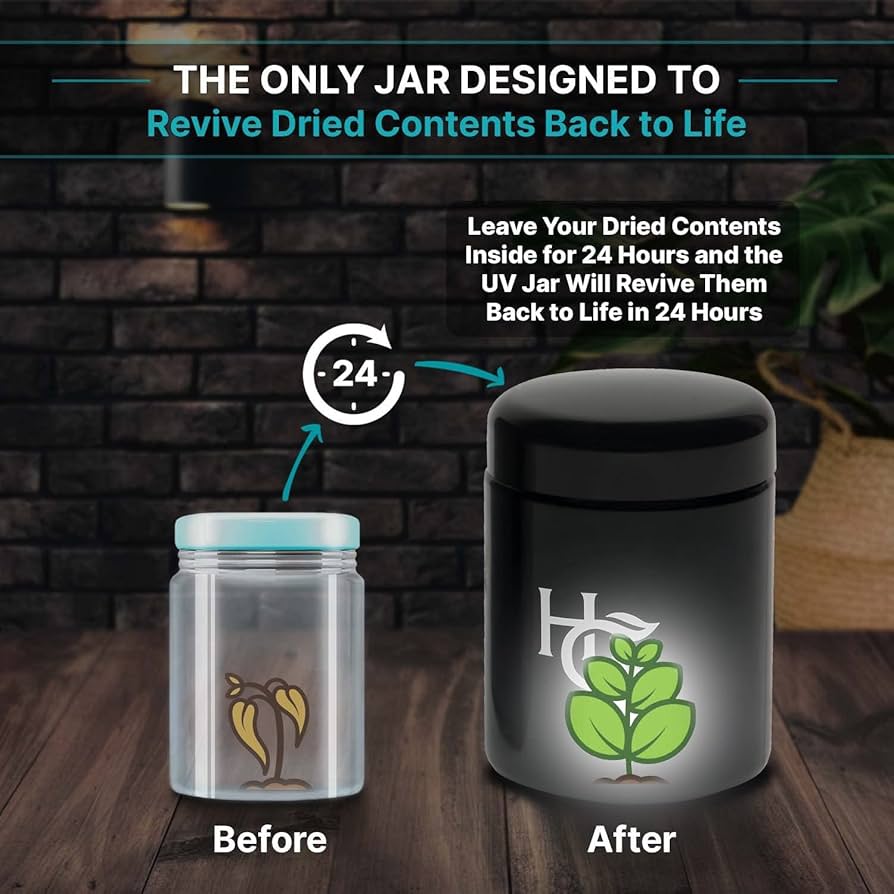
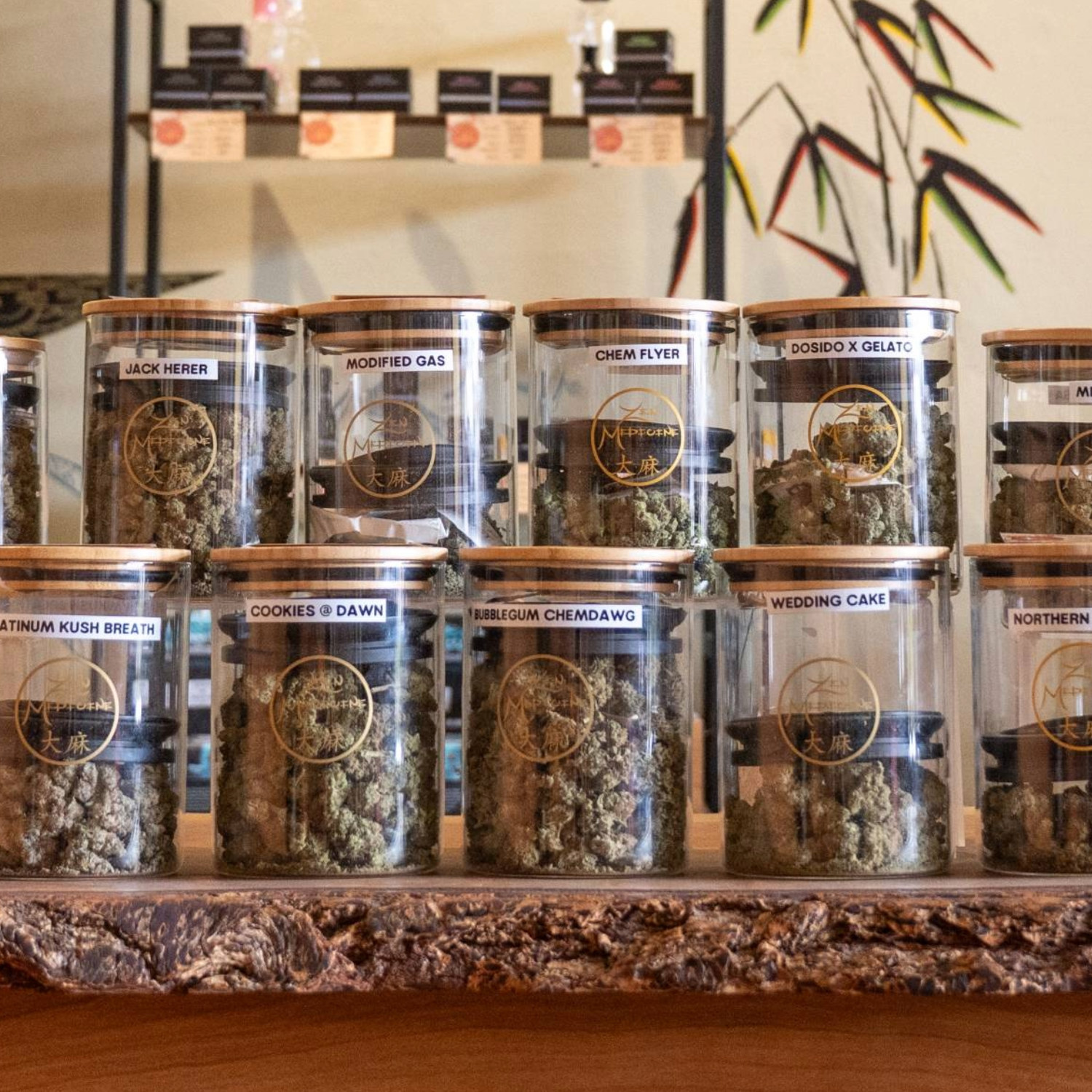
When it comes to cannabis storage containers, you’ve got a few main options: glass, plastic, and metal. Each has its strengths and weaknesses. Glass is generally considered the gold standard. It’s non-reactive, meaning it won’t leach chemicals into your cannabis, and it provides a good barrier against oxygen. However, not all glass is created equal – borosilicate glass is far more durable and resistant to thermal shock than standard glass.
Plastic offers convenience and affordability, but it's a bit more complicated. Some plastics are safe for short-term storage, while others can leach harmful chemicals over time, especially with prolonged contact. Look for plastics labeled as BPA-free and specifically designed for food storage. The Oregon Liquor & Cannabis Commission (OLCC) Packaging and Labeling Guide (December 2025) specifies acceptable packaging materials, specifying materials that keep the product safe.
Metal containers, like stainless steel, are incredibly durable and offer excellent protection from light and physical damage. The main concern with metal is potential flavor transfer, especially with certain strains. While it's usually a subtle effect, it's something to consider if you're a connoisseur who appreciates the nuances of different terpenes. Ultimately, the best material depends on your budget, storage needs, and personal preferences – weighing the pros and cons is key.
- Glass: Non-reactive, good oxygen barrier, can be fragile.
- Plastic: Convenient, affordable, potential for chemical leaching.
- Metal: Durable, excellent light protection, potential for flavor transfer.
Cannabis Storage Container Comparison - 2026
| Container Material | Pros | Cons | UV Protection | Air Tightness | Cost |
|---|---|---|---|---|---|
| Glass 🏺 | Glass is non-reactive, preserving the true flavor of your cannabis, and is easily sanitized. It’s also considered a premium material, offering a satisfying user experience. | Glass is fragile and can break if dropped, and doesn’t offer inherent UV protection without a tinted design. | Requires amber or UV-protective coating to block light effectively. | Excellent, especially with airtight lids and seals. | Generally moderate to high, depending on size and features. |
| Plastic - PET (Polyethylene Terephthalate) ♻️ | PET is lightweight, durable, and shatter-resistant, making it a practical choice for everyday use. It's also relatively inexpensive. | PET offers limited UV protection and can potentially leach chemicals over time, especially with prolonged exposure to heat or light. | Poor without UV inhibitors; clear PET offers no protection. | Good, but can sometimes be less airtight than glass or metal. | Low to moderate. |
| Plastic - HDPE (High-Density Polyethylene) 📦 | HDPE is a stronger, more durable plastic than PET and is considered food-safe. It’s also resistant to many chemicals. | HDPE is still susceptible to UV degradation and doesn’t offer the aesthetic appeal of glass. It can also develop odors over time. | Poor without UV inhibitors; opaque HDPE offers *some* light blockage, but isn't ideal. | Very good, often used for products requiring a strong seal. | Low to moderate. |
| Metal (Stainless Steel/Aluminum) 🔩 | Metal containers are incredibly durable, airtight, and provide excellent protection against physical damage. They are also fully opaque, blocking all light. | Metal can be expensive and may impart a metallic taste to cannabis if not properly coated or lined. Some metals can react with cannabis over extended storage. | Excellent – completely blocks UV light. | Excellent, creating a very secure seal. | Moderate to high, depending on the type of metal and construction. |
Illustrative comparison based on the article research brief. Verify current pricing, limits, and product details in the official docs before relying on it.
UV Protection: The Biggest Threat You're Ignoring
We’ve established that light is bad, but UV light is the worst. UV radiation is a primary catalyst for cannabinoid degradation. THC, for example, converts to CBN when exposed to UV light, resulting in a less psychoactive and more sedative effect. Terpenes are also highly susceptible to UV damage, leading to a loss of aroma and flavor. This isn’t a slow process either – significant degradation can occur within hours of exposure.
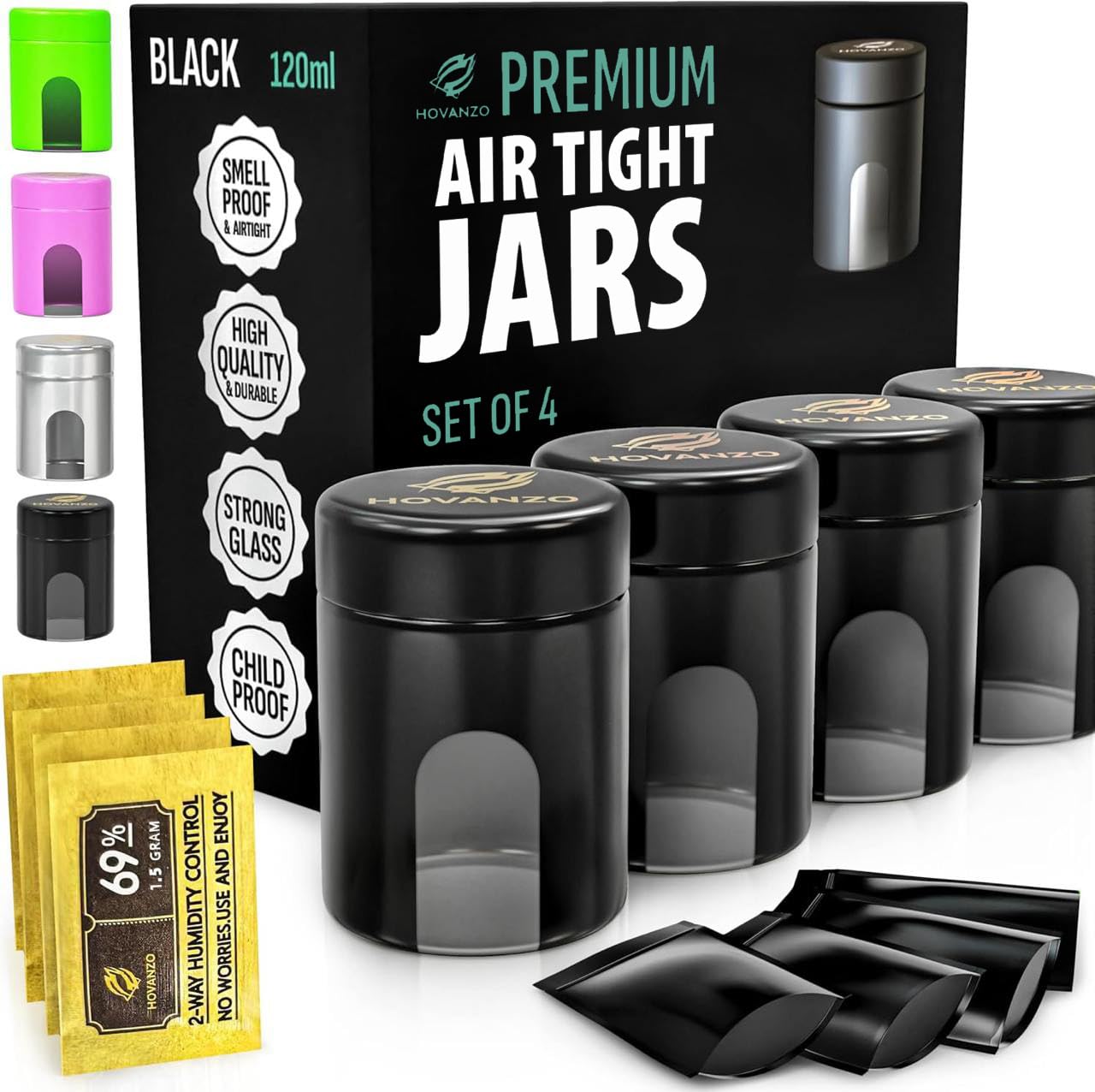
When choosing a container, color matters. Amber and violet glass offer some UV protection, but the level of protection varies. Darker shades of amber generally block more UV light than lighter shades. Opaque containers provide the best protection, completely blocking UV rays. There are also coatings available that can be applied to glass to enhance UV protection, but their effectiveness can vary.
While specific data on every wavelength is sparse, the principle is clear: minimizing UV exposure preserves potency and flavor. Investing in UV-proof containers is one of the most effective steps you can take to protect your stash. Don’t underestimate this – it makes a real difference.
Humidity Control: Finding the Sweet Spot
Humidity is a tricky balance. Too much moisture and you risk mold and mildew growth, rendering your cannabis unusable. Too little moisture and your cannabis dries out, becoming brittle and losing its terpenes. The ideal humidity range for long-term cannabis storage is generally considered to be between 60-65%.
That's where humidity control packs come in. Products like Boveda and Integra Boost use a two-way humidity control system, meaning they both add and remove moisture to maintain the desired humidity level. They work by utilizing a naturally occurring salt that attracts and releases water vapor. It’s a remarkably effective and simple solution.
For precise monitoring, a digital hygrometer is a valuable tool. These devices measure humidity levels, allowing you to track conditions within your storage container. You can find affordable options online. Combining humidity packs with a hygrometer gives you complete control over your storage environment. Remember to replace humidity packs regularly, as their effectiveness diminishes over time.
- Ideal Humidity: 60-65%
- Humidity Pack Brands: Boveda, Integra Boost
- Monitoring: Digital Hygrometer
Beyond Jars: Innovative Storage Solutions for 2026
The world of cannabis storage is evolving. We’re starting to see more innovative solutions beyond traditional jars. While I haven’t seen widespread adoption yet, "smart’ containers with built-in sensors are emerging. These containers can monitor temperature, humidity, and even light exposure, providing real-time data via a smartphone app. It"s a bit pricey, but appealing to the tech-savvy consumer.
Vacuum-sealed bags designed specifically for cannabis are also gaining popularity. These bags remove oxygen, slowing down the degradation process. They're a good option for short-term storage or travel. Sites like Smoke Cartel currently offer a range of storage cases and vacuum seal options.
The most exciting development is the potential of "active packaging" – materials that actively respond to environmental changes. Imagine a container that automatically adjusts its humidity level or filters out harmful light. While this technology is still in its early stages, it could revolutionize cannabis storage in the coming years.
Child-Resistant Packaging: Safety First
Let's be clear: cannabis safety goes beyond preserving potency. Child-resistant packaging is absolutely essential. The Oregon Liquor & Cannabis Commission (OLCC) Packaging and Labeling Guide (December 2025) outlines specific requirements for child-resistant packaging, emphasizing the need to prevent accidental ingestion.
There are several types of child-resistant containers available, including jars with locking lids, resealable bags with child-resistant zippers, and tamper-evident packaging. The effectiveness of each type varies, and it's important to choose a container that is genuinely difficult for children to open. Compliance protects children and keeps you on the right side of the law.
Always prioritize safety. Store cannabis products out of reach of children, even when using child-resistant packaging. Educate yourself on the regulations in your area and ensure you're following them diligently. This is a responsibility we all share.
It's shocking that the Canadian government hasn't regulated Nitrogen or similar gas in cannabis packaging/storage to preserve and protect the product from things like mold@JustinTrudeau 🫵do something about this now. Unless you truely are trying to kill Canadians and then say…
— Stephan Sabeski (@StephanSabeski) November 19, 2024
Long-Term Storage: Preparing for the Future
What if you’re planning to age your cannabis, similar to how people age wine? It's a niche practice, but some believe it can enhance the flavor profile. For long-term storage (years, not months), the principles remain the same: absolute darkness, stable temperature, and consistent humidity. Vacuum sealing is the final line of defense for long-term preservation.ing combined with an opaque, airtight container is a good starting point.
Some enthusiasts recommend "burping’ containers periodically – briefly opening them to release excess pressure and prevent the buildup of unwanted gases. However, this introduces oxygen, so it’s a trade-off. It"s also important to monitor for any signs of mold or degradation, even with proper storage.
Honestly, long-term cannabis storage is still a bit of an unknown. There’s limited research on the optimal conditions for aging cannabis, so it's largely based on anecdotal evidence and extrapolation from other preservation techniques. It's an experiment, and results may vary.
No comments yet. Be the first to share your thoughts!