
Why storage matters for potency
A friend recently showed me an expensive jar of flower that had gone flat. He’d left it in a plastic bag in a drawer for a few weeks, and the smell and punch were gone. This happens often. Cannabis is tough while growing, but once it's harvested, air, light, heat, and moisture start killing the quality immediately.
These elements don’t just make your cannabis feel less potent; they actively change its chemical composition. THC, the primary psychoactive compound, degrades into CBN, which has a more sedative effect. Simultaneously, the delicate terpenes – responsible for aroma, flavor, and many of the therapeutic benefits – evaporate, leaving you with a bland and less effective product. It’s a slow process, but it’s happening every second your cannabis isn't properly protected.
Good storage isn't about buying gadgets for the sake of it. It’s about protecting your money. You pay for a specific high and flavor, and a bad jar takes that away. Humidity is the biggest factor here, though light and heat matter too.
Finding the humidity goldilocks zone
Relative humidity, or RH, is the amount of moisture present in the air compared to the maximum amount the air can hold at a given temperature. It’s expressed as a percentage. For cannabis, RH is a critical factor in preserving both its potency and its physical structure. Too little moisture, and your flower becomes brittle, the trichomes crumble, and terpenes vanish with every touch.
Conversely, too much humidity creates an ideal environment for mold and mildew to flourish. This isn’t just about aesthetics; mold contamination renders cannabis unsafe for consumption. Think of it like this: you want a "just right’ level of moisture. Too dry, and it’s like dust. Too wet, and it"s a breeding ground for unwanted organisms.
The generally accepted ideal RH range for cannabis storage is between 55% and 65%. Maintaining this range helps preserve cannabinoids, terpenes, and the structural integrity of the flower. While some strains might benefit from slightly different levels – generally, denser buds prefer the higher end of the range – 55-65% is a safe starting point for most consumers. Getting overly specific isn't necessary for recreational users.
- Below 50% RH: Dry, brittle, trichome loss.
- 55-65% RH: Ideal for most strains, preserves potency and flavor.
- Above 70% RH: Risk of mold and mildew growth.
Glass, plastic, and metal compared
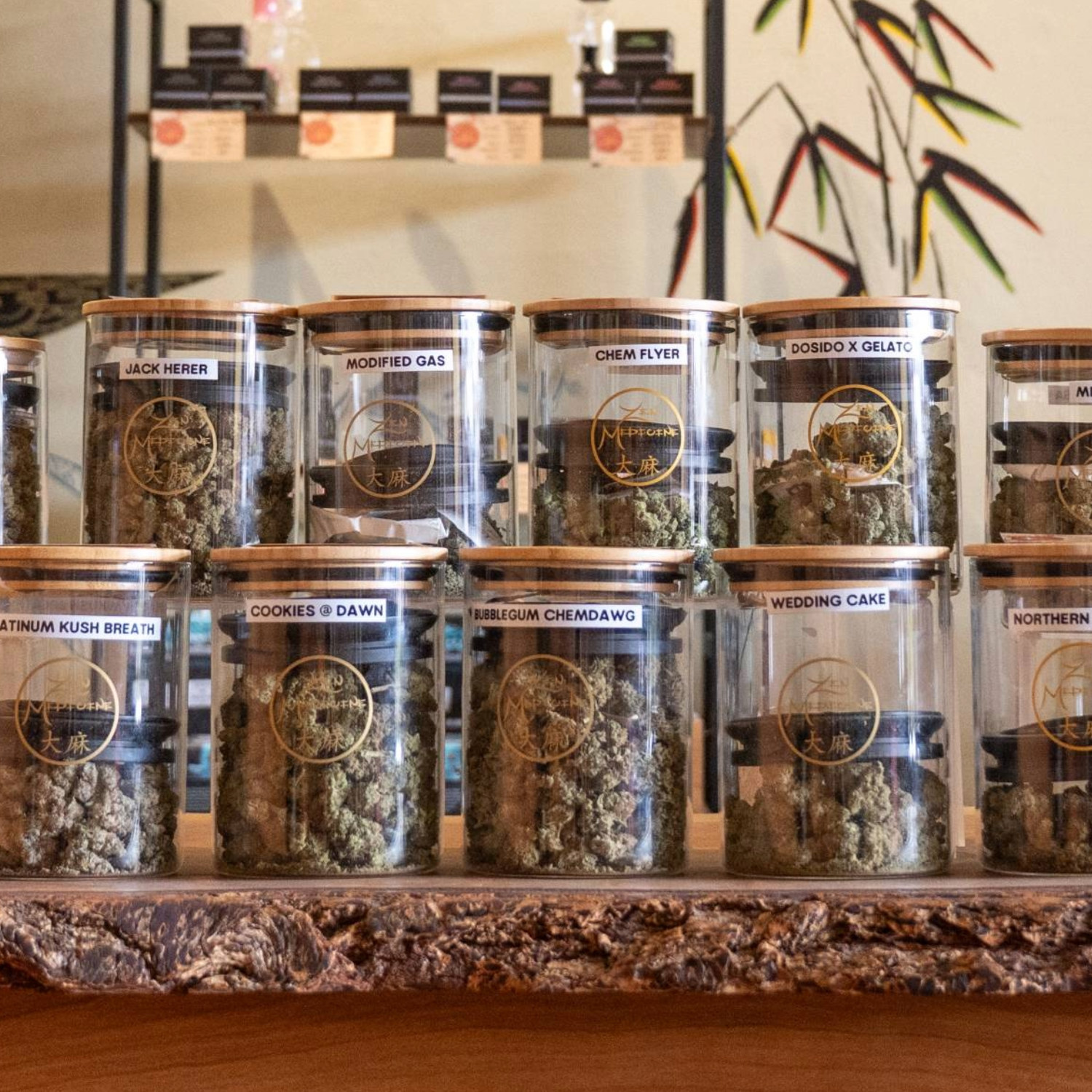
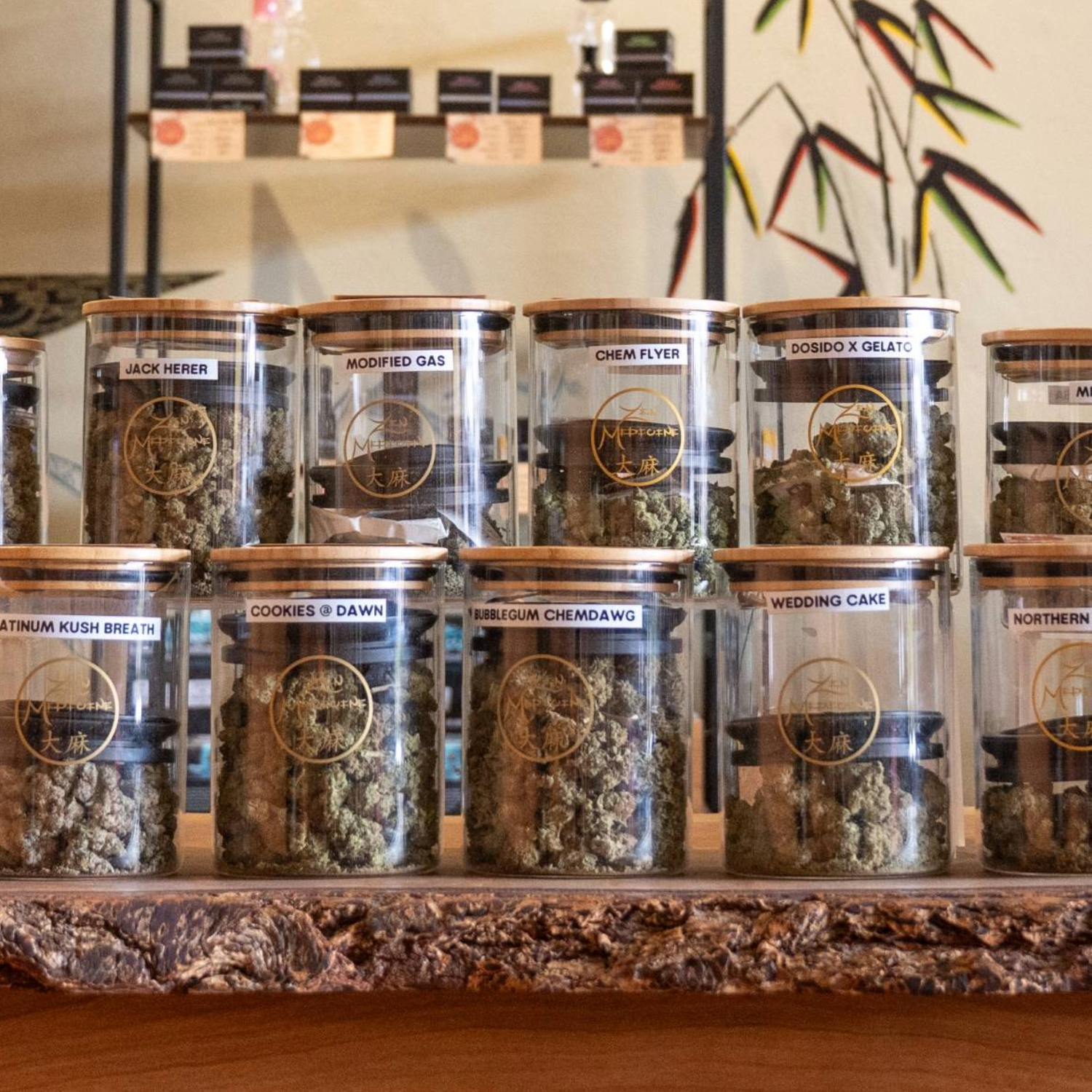
When choosing a cannabis storage container, the material matters significantly. Glass is widely considered the gold standard. It’s inert, meaning it won’t leach chemicals into your cannabis, and it’s easy to clean and sterilize. However, glass is also fragile and can be relatively heavy, making it less ideal for travel. Dark-colored glass offers an added benefit of blocking out harmful light.
Plastic containers are lightweight and durable, making them a convenient option. However, some plastics can leach chemicals, especially when exposed to heat or prolonged contact with cannabis resins. Static cling can also be a problem, causing flower to stick to the sides of the container. If you do choose plastic, opt for food-grade, BPA-free options.
Metal containers, like stainless steel, are excellent at blocking light and can be quite durable. However, certain metals can react with cannabis over time, potentially affecting its flavor or potency. Silicone containers are flexible, durable, and generally don’t leach, but they can sometimes absorb odors. They’re a decent option, but not my first choice for long-term storage. Overall, glass provides the best balance of protection and preservation, especially for long-term storage.
Humidity packs: the small regulators
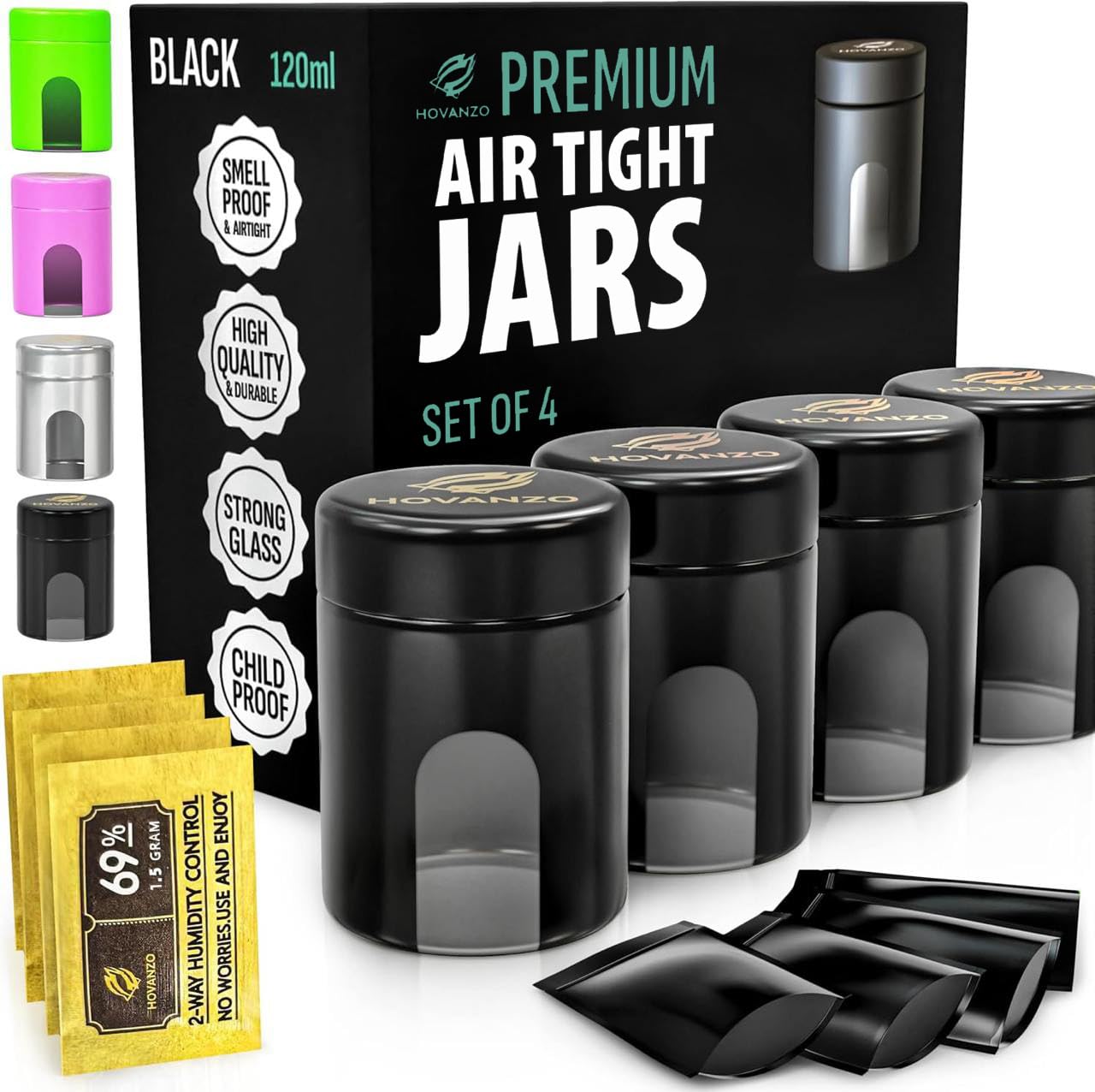
Humidity packs from brands like Boveda and Integra Boost are the easiest way to manage a jar. They use a mix of salts and water to keep the air at a specific percentage. They are two-way systems, meaning they pull moisture out if it's too damp and release it if the air is too dry.
The primary difference between 2-way and 1-way humidity packs lies in their functionality. 2-way packs can both add and remove moisture, making them ideal for maintaining a stable RH level over time. 1-way packs only absorb moisture, making them suitable for situations where you’re primarily concerned about removing excess humidity. For most cannabis storage, 2-way packs are the better choice.
Choosing the right pack size depends on the volume of your container. Manufacturers typically provide guidelines based on container size and intended RH level. Pack lifespan varies, but generally, a pack will last 30-60 days once opened. It’s important to replace packs regularly to ensure continued humidity control. A common misconception is that more packs equal better humidity control; this isn't necessarily true. Following the manufacturer’s recommendations is key.
- Boveda: Reliable and widely available in various RH percentages.
- Integra Boost: Another well-regarded brand offering a variety of pack sizes.
- Pack size: Use an 8g pack for up to an ounce of flower, or a 60g pack for larger jars.
Humidity Pack Brand Comparison - 2026
| Brand | Price | Pack Lifespan | Humidity Control Accuracy | Availability |
|---|---|---|---|---|
| Boveda | Moderate | Approximately 60 days (dependent on pack size and container seal) | Very Good | Widely Available |
| Integra Boost | Moderate | Up to 60 days (dependent on pack size and container seal) | Good | Generally Available |
| Equa | Moderate to High | Up to 90 days (dependent on pack size and container seal) | Good | Available at select retailers |
| Boveda (2-Way) | Moderate | Approximately 60 days, replenishes moisture as needed | Excellent | Widely Available |
| Integra Boost (2-Way) | Moderate | Up to 60 days, self-regulating humidity | Good | Generally Available |
| Equa (2-Way) | Moderate to High | Up to 90 days, maintains consistent humidity | Good | Available at select retailers |
Illustrative comparison based on the article research brief. Verify current pricing, limits, and product details in the official docs before relying on it.
Jars, cases, and vacuum sealing
Cannabis storage solutions range from budget-friendly to high-tech. At the most basic level, airtight jars – even repurposed Mason jars – can provide adequate protection, especially when paired with humidity packs. These are a great starting point for casual consumers. Moving up a tier, you’ll find premium glass jars specifically designed for cannabis storage, often with airtight seals and opaque finishes.
Hard-shell cases offer an extra layer of protection, particularly useful for travel or for safeguarding larger quantities of cannabis. These cases are often smell-proof and discreet. Vacuum sealing is a more advanced option, removing all air from the container. While effective at preserving freshness, it can also compress the flower and potentially damage trichomes, so I'm not convinced it's worth the effort for most users.
Regardless of the container you choose, opacity is crucial. Light degrades cannabinoids and terpenes, so storing your cannabis in a dark place – or using an opaque container – is essential. You don’t need to spend a fortune to store cannabis effectively. A simple airtight jar and a humidity pack can go a long way in preserving potency and flavor.
Monitoring tools and techniques
Maintaining the ideal storage environment isn’t a "set it and forget it" process. Regular monitoring is essential. Hygrometers, which measure humidity, are your primary tool. Digital hygrometers are generally more accurate and easier to read than analog versions. Data loggers take this a step further, recording humidity and temperature over time, providing a more comprehensive picture of your storage conditions.
Visual inspection is also important. Check your flower regularly for signs of mold (white, powdery growth) or dryness (brittle texture, crumbling buds). If you notice either of these, take immediate action to adjust the humidity level. How often you check depends on your climate and storage setup, but at least once a week is a good starting point.
Altitude and climate play a role. Higher altitudes tend to have lower humidity, requiring more attention to moisture levels. Humid climates require more vigilance against mold growth. Adapting your storage practices to your specific environment is key to long-term preservation. Keeping a small log of humidity readings can also help you identify trends and optimize your storage setup.
No comments yet. Be the first to share your thoughts!