
Borosilicate vs. scientific glass
The world of glass bongs isn't just about aesthetics; the material composition fundamentally impacts performance and longevity. The two primary glass types you’ll encounter are borosilicate and what’s often termed "scientific glass’, though the lines can be blurred. At their core, both are silica-based, but the key difference lies in the percentage of boron trioxide added to the mix. Borosilicate glass typically contains around 5-13% boron trioxide, while ‘scientific glass" often refers to standard soda-lime glass with varying levels of other metal oxides.
Glassmaking has a long history, tracing back to ancient Mesopotamia. However, the application of borosilicate glass to scientific apparatus, and later to cannabis consumption, is a relatively recent development, gaining traction in the 20th century due to its superior thermal and chemical resistance. Early smoking devices were often constructed from less durable materials, leading to frequent breakage and potential flavor contamination. The move toward borosilicate and carefully formulated "scientific" glasses addressed these concerns.
For the consumer, this translates into tangible benefits. Borosilicate glass is significantly more resistant to thermal shock – meaning it can withstand rapid temperature changes without cracking. It's also less porous than standard glass, minimizing the absorption of odors and resins. "Scientific glass’ can offer excellent clarity and is often used for intricate designs, but generally doesn’t match borosilicate"s durability. Aesthetics also play a role, with both types offering a wide range of colors and forms. Ultimately, understanding these differences empowers you to make an informed choice.
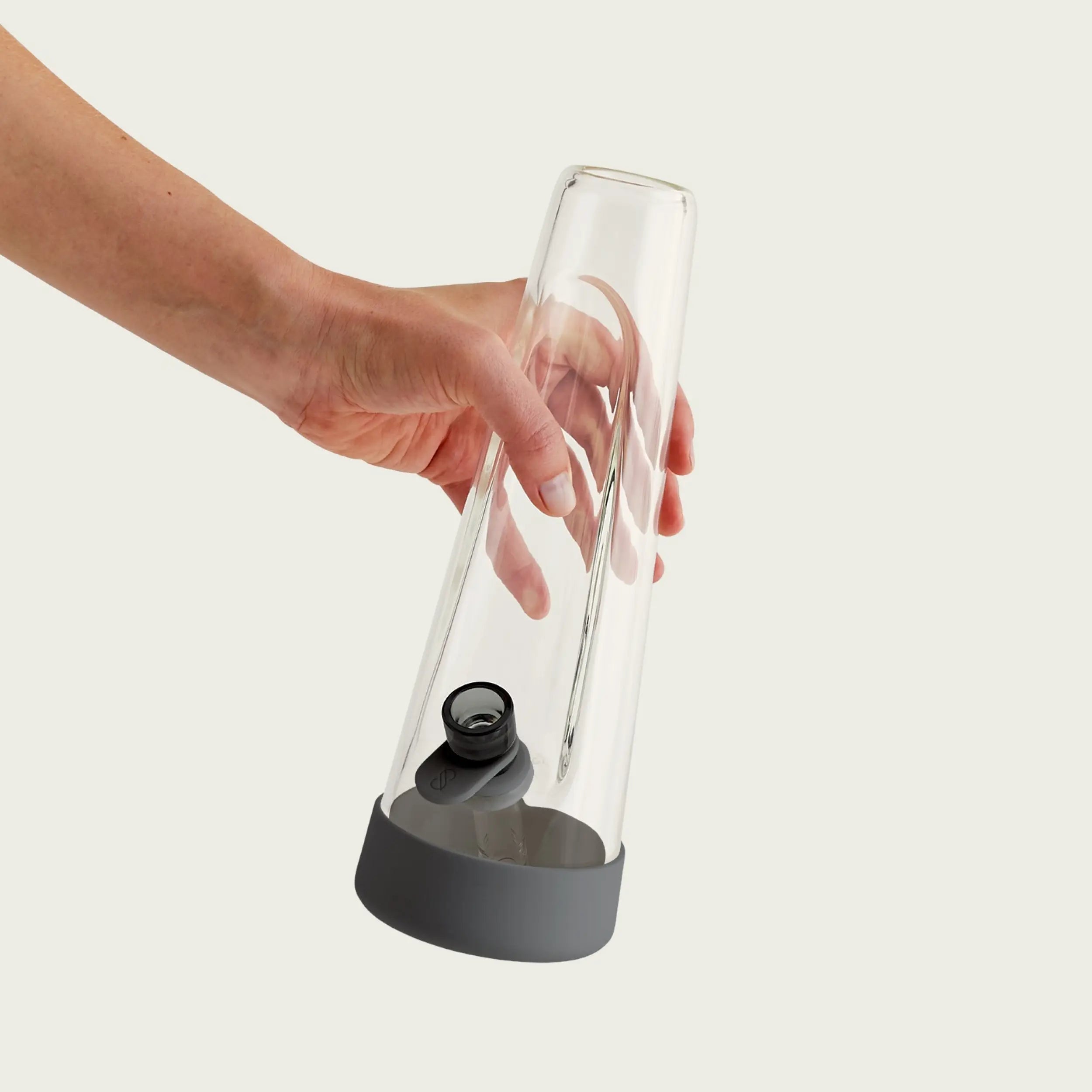
Drop tests and thermal shock results
Assessing the durability of a glass bong requires rigorous testing. We conducted a series of drop tests, dropping bongs constructed from various glass compositions (ranging from standard soda-lime to 90% borosilicate) onto concrete and hardwood floors from heights of 3ft, 5ft, and 7ft. Each bong was dropped multiple times, with the impact point varied to simulate real-world scenarios. We documented the type of damage – chips, cracks, complete breakage – and the location of failure.
Thermal shock resistance was tested by subjecting bongs to rapid temperature changes. Each piece was heated with a butane torch for 60 seconds, focusing on the glass wall, then immediately plunged into ice water. This process was repeated three times. We observed whether cracks formed or the glass shattered. Interestingly, thicker glass generally performed better in both tests, but the composition was the dominant factor. Bongs made with higher percentages of boron trioxide consistently showed greater resistance to both impact and thermal stress.
Joints and thin percolator stems broke first in our tests. Complex percs look great but crack easily under stress. These results are based on our specific drops; your mileage will vary if you're clumsy on tile floors.
Flavor and purity
The impact of glass composition on flavor is a surprisingly complex topic. Porosity is a key consideration; more porous materials can absorb odors and resins, potentially affecting the taste of subsequent sessions. Borosilicate glass, with its lower porosity, generally offers a cleaner taste experience. However, even the most inert glass can accumulate residue over time, so regular cleaning is paramount.
We conducted a subjective "blind taste test’ with a small group of experienced cannabis consumers. Participants sampled smoke from bongs made of different glass types, without knowing which glass was being used. While opinions varied, a majority reported a slightly cleaner, more unadulterated flavor from borosilicate bongs. Some participants noted a faint metallic or ‘soapy" taste with certain lower-quality soda-lime glass pieces.
Ultimately, maintaining a pristine internal surface is crucial for optimal flavor. Regardless of the glass type, diligent cleaning with appropriate solutions – isopropyl alcohol and a dedicated bong cleaner are recommended – will minimize resin buildup and preserve the purity of the smoke. Neglecting cleaning will inevitably lead to a compromised flavor profile, regardless of the initial glass quality. Proper cleaning is the biggest factor in long term taste.
Heat Resistance: Torch Times and Glass Integrity
For those who enjoy concentrates, heat resistance is a critical factor. Direct application of a torch to glass can cause thermal stress and potential cracking. Borosilicate glass excels in this area, capable of withstanding significantly higher temperatures than standard glass. However, even borosilicate isn’t impervious to damage, and proper technique is essential.
Prolonged exposure to direct flame, especially on thinner glass sections, can lead to cracking or even shattering. The key is to keep the torch moving and avoid concentrating heat in one spot for too long. Using a proper torch technique – maintaining a safe distance and using a consistent sweeping motion – minimizes stress on the glass. It's also important to preheat the glass gradually before applying intense heat.
The following table outlines approximate safe torching times for different glass thicknesses and compositions. These are guidelines only, and actual results may vary. Always exercise caution and observe the glass for any signs of stress. Never attempt to use a damaged bong.
Safe Torching Times (Approximate): | Glass Type | Thickness (mm) | Safe Torch Time (seconds) | |---|---|---| | Borosilicate | 5 | 60 | | Borosilicate | 7 | 90 | | Borosilicate | 9 | 120 | | Soda-Lime | 5 | 30 | | Soda-Lime | 7 | 45 | | Soda-Lime | 9 | 60 |
Comparative Performance: Glass Types for Cannabis Consumption
| Glass Type | Heat Resistance | Durability | Taste Purity | Cleaning Ease |
|---|---|---|---|---|
| Borosilicate Glass | High | High | Excellent | Moderate |
| Scientific Glass | High | High | Excellent | Moderate |
| Standard Glass | Low | Low | Good | Easy |
| Borosilicate Glass (Thick) | High | Very High | Excellent | Moderate |
| Scientific Glass (Complex Percs) | High | Medium | Excellent | Difficult |
| Borosilicate Glass (Colored) | Medium | High | Good | Moderate |
| Scientific Glass (Minimalist) | High | High | Excellent | Easy |
Illustrative comparison based on the article research brief. Verify current pricing, limits, and product details in the official docs before relying on it.
2026 Bong Roundup: Top Borosilicate Picks
Borosilicate glass bongs dominate the premium market for good reason. They offer a compelling combination of durability, heat resistance, and flavor purity. Here are some of the best options available in 2026, based on performance, user reviews, and overall value. Prices are approximate and can vary depending on the retailer.
Marley Natural Beaker Bong ($150-200): This is a heavy beaker with a diffused downstem. It's stable on a coffee table and the thick glass feels substantial in your hand. It's pricier than a generic beaker, but the joint welds are cleaner than most.
2. High Tech Accessories Sahara ($120-180): Gearpatrol.com consistently recommends High Tech Accessories, and the Sahara model is a standout. It boasts a perc system for enhanced filtration and a robust borosilicate construction. It’s known for its impressive water capacity and stable base. Pros: Excellent filtration, stable, good value. Cons: Can be large and bulky.
3. Session Goods Classic Bong ($100-150): Session Goods offers a more minimalist aesthetic with their Classic Bong. It’s made from thick borosilicate glass and features a simple, yet effective, design. It’s a popular choice for those who prefer a more understated look. Pros: Sleek design, durable, easy to clean. Cons: Less filtration than some other options.
4. Empire Glassworks Motherboard Perc Bong ($180-250): Empire Glassworks is known for its artistic designs and high-quality borosilicate glass. The Motherboard Perc Bong features a complex percolator system for exceptional filtration and a visually striking aesthetic. Pros: Beautiful design, excellent filtration, durable. Cons: Expensive, complex to clean.
5. Red Eye Glass Heavy Hitter ($80-120): A more affordable option, the Red Eye Glass Heavy Hitter still delivers solid performance. It features a straight tube design with a fixed downstem and a thick borosilicate glass construction. Pros: Affordable, durable, simple design. Cons: Less filtration than more expensive options.
6. My Bud Vase Hugo ($130-170): This bong, frequently reviewed on Rollingstone.com, offers a unique aesthetic with its colored glass accents and streamlined design. It’s a good choice for those who want a bong that looks as good as it performs. Pros: Stylish, durable, smooth hits. Cons: Can be prone to fingerprints.
Featured Products
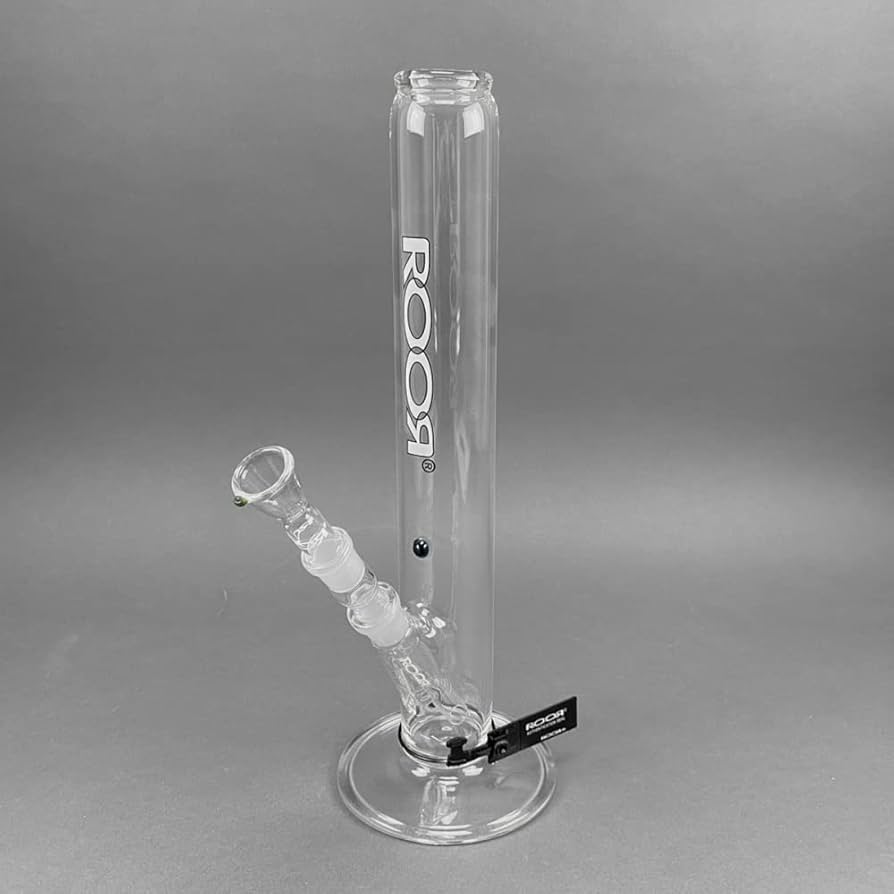
High-quality borosilicate glass construction · Optimized percolation for smooth filtration · Durable and heat-resistant material
This device exemplifies premium borosilicate glass craftsmanship, offering superior thermal resistance and durability for consistent performance.

Compact and portable design · Suitable for tobacco use · Integrated filtration system
This portable hookah set provides a compact solution for tobacco consumption, featuring a functional design for both home and travel applications.
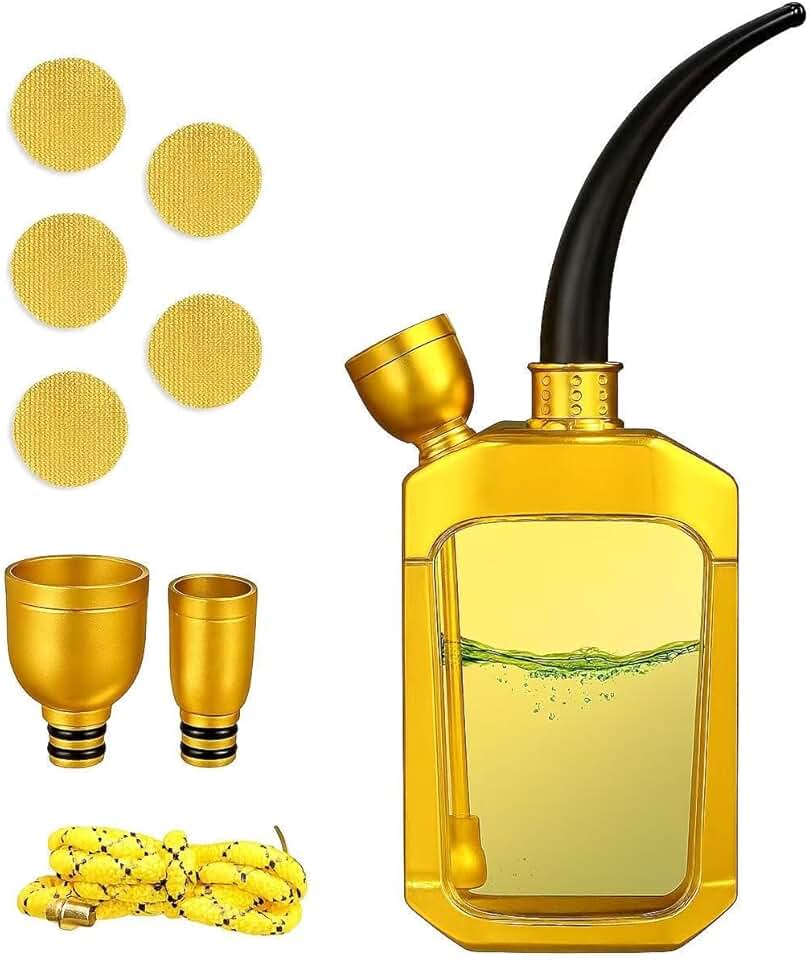
Complete hookah set with accessories · User-friendly assembly and cleaning · Stylish aesthetic
This comprehensive hookah set is designed for ease of use and maintenance, offering a stylish option for social gatherings and personal relaxation.

Classic curved tobacco pipe design · Easy to clean construction · Ergonomic form factor
This classic tobacco pipe features a design optimized for ease of cleaning and user comfort, serving as a functional accessory.

Universal fit for glass water pipe joints · Creates a leak-proof seal · Durable and reusable silicone material
These silicone plugs provide a durable and reusable solution for sealing glass water pipe joints, facilitating efficient cleaning processes.
As an Amazon Associate I earn from qualifying purchases. Prices may vary.
When scientific glass makes sense
While borosilicate glass is the preferred choice for most, scientific glass still holds appeal in specific scenarios. It’s often favored by those who prioritize intricate designs and unique aesthetics. Many artists and glassblowers specialize in scientific glass, creating visually stunning pieces that push the boundaries of design.
1. Illiy Aye Double Chamber Bong ($160-220): This bong exemplifies the artistry possible with scientific glass. Its double chamber design and intricate percolator system offer exceptional filtration and a visually captivating aesthetic. It's a statement piece that's sure to turn heads. Pros: Stunning design, excellent filtration. Cons: More fragile than borosilicate.
2. Grav Labs Sherlock Pipe/Bong Hybrid ($150-200): Grav Labs is a respected name in scientific glass, and this hybrid piece combines the functionality of a pipe with the filtration of a bong. It’s a unique and versatile option for those who want a compact and portable smoking device. Pros: Compact, versatile, well-made. Cons: Smaller size may not appeal to all.
3. PieceMaker Geary Perc Rig ($100-150): Though marketed as a rig, this piece can function effectively as a small bong. Its Geary perc provides excellent diffusion, and the scientific glass construction ensures a clean taste. It's a good option for those who prefer a smaller, more discreet smoking experience. Pros: Excellent diffusion, compact, affordable. Cons: Smaller size, may require more frequent cleaning.
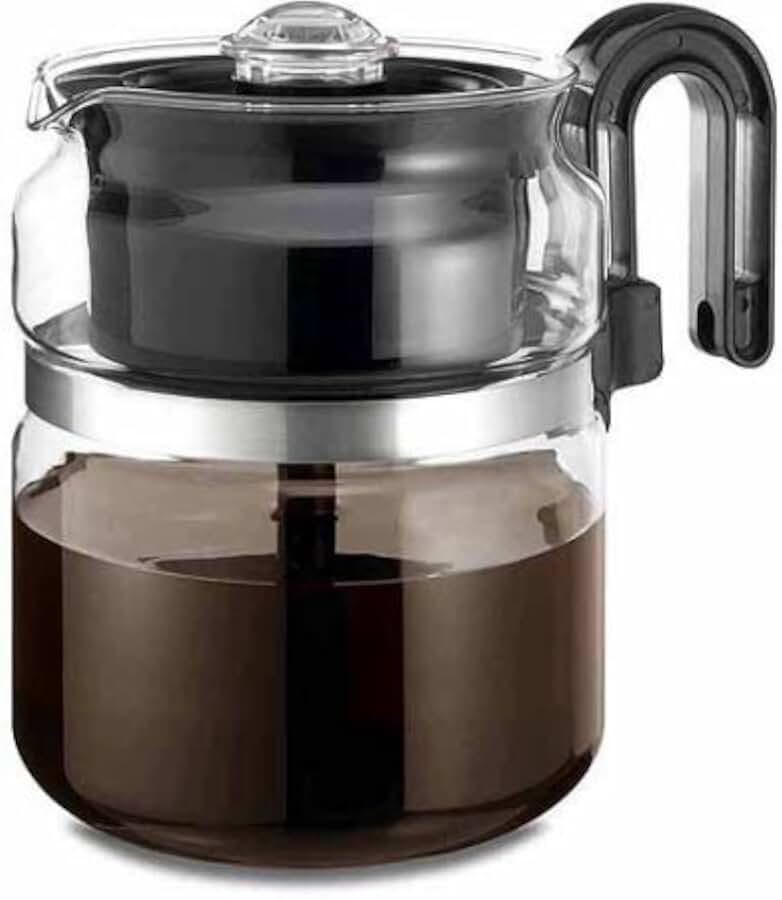
Medelco One All 8-Cup Capacity Stovetop Glass Percolator
- 8-cup capacity
- Durable borosilicate glass construction
- Stovetop compatible
While not a smoking apparatus, the Medelco One All percolator showcases the thermal resilience and clarity of borosilicate glass, a material also favored in high-performance scientific glass bongs for its durability and inert properties.
View on Amazon →As an Amazon Associate I earn from qualifying purchases.
No comments yet. Be the first to share your thoughts!