
The shift toward secure storage
Legalization changed how we keep weed. It's no longer about hiding a baggie in a drawer; it's about keeping the product fresh and staying compliant with local laws. Most states now require child-resistant containers, making secure storage a legal necessity rather than an option.
This regulatory pressure is coupled with a greater understanding among consumers of how environmental factors impact cannabis quality. Exposure to light, air, and humidity can rapidly degrade cannabinoids and terpenes, diminishing potency and altering the overall experience. The days of stashing flower in a plastic baggie are largely over. Consumers are actively seeking solutions that protect their investment and maintain product integrity.
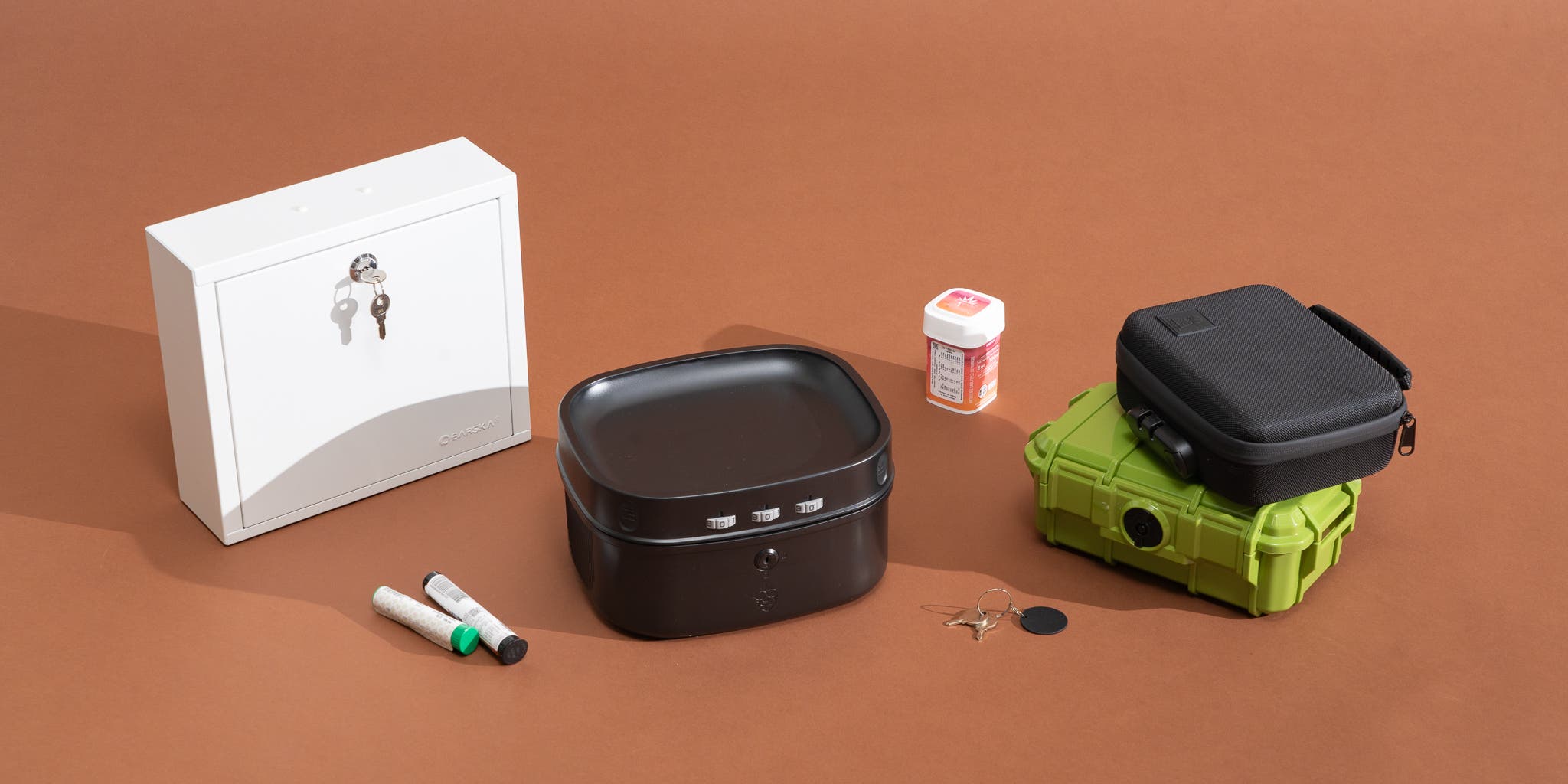
The emergence of "smart" storage containers is a direct response to these evolving needs. These aren't just containers; they represent a paradigm shift towards a more sophisticated approach to cannabis preservation and security. They aim to address the shortcomings of traditional methods, offering features like UV protection, precise humidity control, and enhanced child resistance. The market is responding, and we're seeing innovation accelerate.
Blocking UV light
Ultraviolet (UV) light is a significant threat to cannabis potency. Exposure to UV rays breaks down cannabinoids like THC and CBD, reducing their effectiveness over time. This degradation isn’t immediate, but it’s a cumulative process. Simply using dark glass or opaque plastic containers offers some protection, but it's often insufficient. Light can still penetrate, especially over extended periods, and some plastics aren’t fully opaque across the entire UV spectrum.
More advanced containers utilize materials specifically designed to block UV light. Mylar, a reflective polyester film, is commonly incorporated into container liners to create a light-proof barrier. Certain plastic formulations also include UV inhibitors – additives that absorb or reflect UV radiation. The effectiveness of these materials varies, and it’s difficult to find standardized testing data readily available to consumers.
I haven't seen many brands publish actual lab data on UV transmission. Most just use labels like 'light-proof.' Until there's a standard test, your best bet is dark glass or Mylar, and keeping the jar in a dark cupboard anyway.
Humidity Control: Preventing Mold & Loss of Potency
Humidity is arguably the most critical environmental factor affecting cannabis storage. Too much humidity encourages the growth of mold and mildew, rendering the product unusable and potentially harmful. Too little humidity, conversely, can cause the cannabinoids and terpenes to dry out and degrade, leading to a loss of potency and flavor. Maintaining the correct humidity level is essential for long-term preservation.
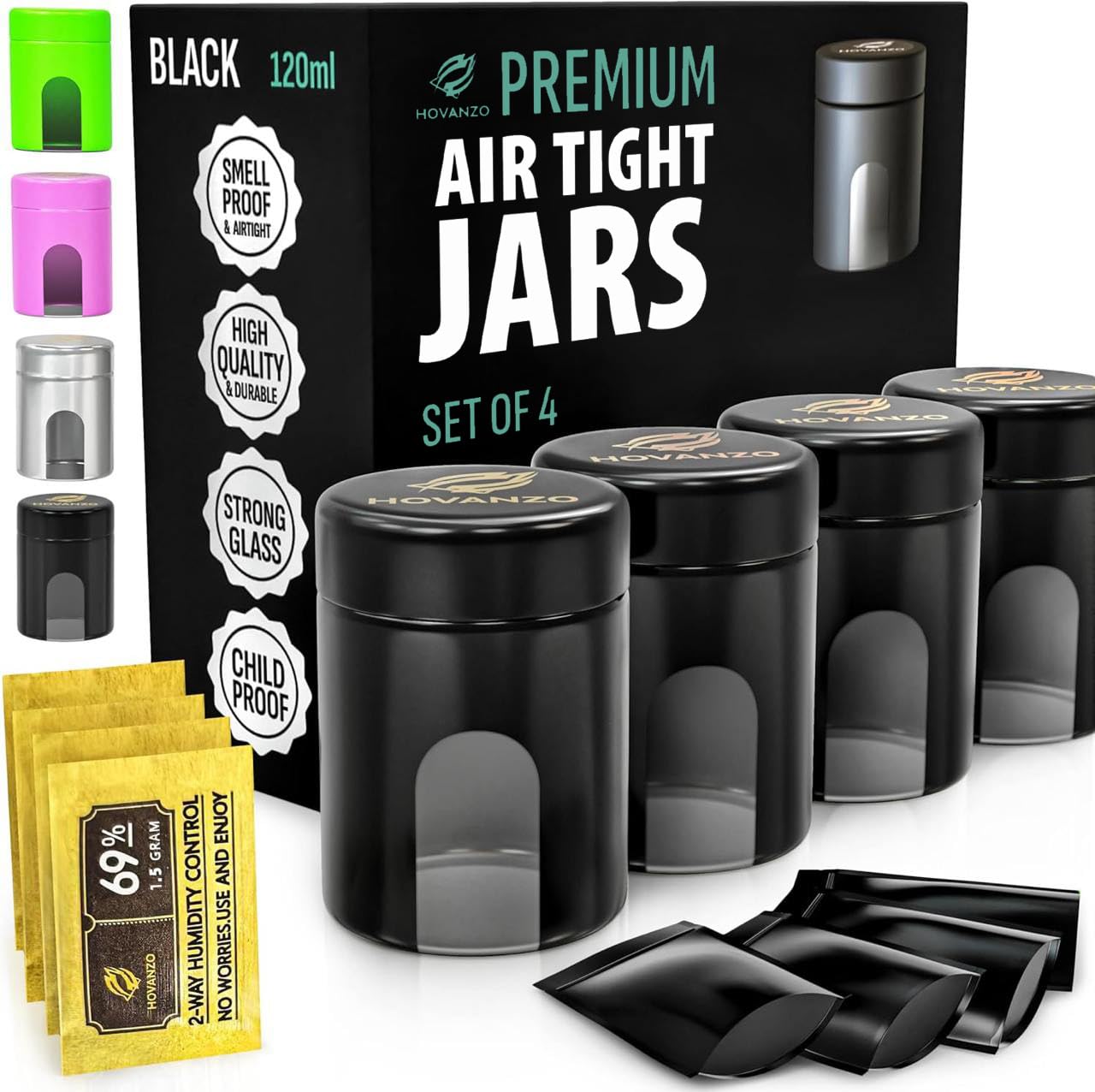
The generally accepted ideal humidity range for cannabis storage is between 60-65%. Maintaining this range consistently requires active intervention. Several methods are available to achieve this. Boveda and Integra Boost packs are popular choices – they utilize two-way humidity control, absorbing excess moisture or releasing it as needed. These are relatively inexpensive and effective for smaller quantities.
Active humidity control containers, like those offered by Planetary Design, incorporate desiccant systems. These containers typically feature a mechanism for regulating airflow and maintaining a consistent humidity level. While more expensive upfront, they offer a more robust and long-lasting solution. I wonder about the longevity of reusable desiccant packs; they eventually lose their effectiveness and need replacing. The frequency of replacement depends on usage and environmental conditions.
Here’s a quick comparison:
list
- Boveda or Integra packs are cheap and easy for small jars but need to be swapped every few months.
- Active Humidity Control Containers: Higher upfront cost, more durable, maintain consistent humidity, suitable for larger quantities.
Humidity Control Method Comparison for Cannabis Storage (2026)
| Cost | Maintenance | Capacity | Effectiveness | Reusability |
|---|---|---|---|---|
| Low | Minimal – periodic pack replacement | Dependent on container size & number of packs | Good for maintaining consistent RH within a limited space. | Single-use; packs require replacement. |
| Moderate | Moderate – packs require periodic replacement, monitoring recommended | Dependent on container size & number of packs; scalable | Generally reliable for maintaining target RH levels, potentially more consistent than passive methods. | Single-use; packs require replacement. |
| High (Initial) | Low – requires power source, occasional cleaning | Scalable to container volume; often designed for specific sizes. | Potentially the most precise control, allowing for active adjustment of humidity levels. | Reusable container, but components may have limited lifespan. |
| Moderate | Minimal – requires occasional visual inspection | Limited by jar/container size | Effectiveness depends heavily on initial quality of desiccant and airtightness of container. | Desiccants can be reactivated (baked) for limited reusability, but effectiveness diminishes over time. |
| Low | Moderate – requires regular monitoring and potential adjustment of materials | Limited by container size and amount of material used | Effectiveness is highly variable and dependent on user skill and environmental conditions. | Materials (silica gel, etc.) are reusable with reactivation, but require careful handling. |
Illustrative comparison based on the article research brief. Verify current pricing, limits, and product details in the official docs before relying on it.
Child Resistance: Standards & Innovations
Child-resistant packaging is a critical safety measure, mandated in many jurisdictions. The primary goal is to prevent accidental ingestion by children. The most common standard is ASTM D3475, which specifies requirements for packaging that is difficult for children under five years of age to open. This standard focuses on closure mechanisms requiring dexterity, strength, or knowledge to operate.
Traditional child-resistant mechanisms include push-and-turn lids and specialized closures that require simultaneous pressing and twisting. These methods are effective, but they can be frustrating for adults, particularly those with dexterity issues. The balance between security and usability is a constant challenge.
Newer, "smarter’ child-resistant features are emerging, leveraging technology to enhance security. Biometric locks, requiring fingerprint or facial recognition for access, offer a high level of security. App-controlled access, allowing authorized users to unlock the container remotely, is another innovation. I’m not sure how effective app-controlled locks are in practice – concerns about hacking and unauthorized access need to be addressed. It"s also important to consider the reliance on battery power and the potential for device failure.
- Push-and-Turn Lids: Common, relatively inexpensive, can be difficult for adults.
- Specialized Closures: Require dexterity and coordination, effective but potentially frustrating.
- Biometric locks use fingerprints for access, which is secure until the battery dies.
- App-Controlled Access: Convenient, potential security vulnerabilities, reliant on technology.
Smart Containers: Tech-Enabled Security
Smart cannabis storage containers represent the cutting edge of product protection and inventory management. These containers integrate technology to offer features beyond traditional security measures. App-controlled access, allowing remote locking and unlocking, is a key feature. Tamper alerts notify users if the container has been opened without authorization.
Some high-end jars now include sensors that beam humidity levels to your phone. Brands like Tulip sell units that track how much weight is left in the jar, though you'll pay a steep premium for the tech. You can find these at specialty retailers like Smokecartel.
The benefits of these features are clear: enhanced security, improved product preservation, and greater convenience. However, there are drawbacks to consider. Privacy concerns surrounding data collection are paramount, as is the potential for hacking or unauthorized access. Battery life is another concern, as these devices require regular charging. Cost is also a significant factor – smart containers are considerably more expensive than traditional options. I'm skeptical about the long-term reliability of these devices; the integration of electronics adds potential points of failure.
Materials Matter: Plastics, Glass, & Metal
The material used to construct a cannabis storage container significantly impacts its performance. Glass is a popular choice due to its inertness – it doesn’t react with cannabis and won’t leach harmful chemicals. However, glass is fragile and prone to breakage, and its transparency allows light to penetrate. Dark glass mitigates the light issue, but doesn’t eliminate it.
Plastic offers durability and affordability, but it’s not without its drawbacks. Some plastics contain BPA, a chemical linked to health concerns. Permeability is also an issue – plastic can allow air and moisture to seep in, compromising product freshness. The type of plastic matters; high-density polyethylene (HDPE) is generally considered safer than polyvinyl chloride (PVC).
Metal, particularly stainless steel, provides excellent durability and light blocking capabilities. However, metal containers can be expensive and may not offer the same level of airtightness as glass or plastic. Odor control is also a consideration – metal can sometimes retain odors more readily than other materials. Newer, more sustainable materials, like bamboo and bioplastics, are also emerging, offering eco-friendly alternatives.
No comments yet. Be the first to share your thoughts!