
Dry herb vaporizer budget
You can find a functional dry herb vaporizer for under $100, but that price point comes with specific tradeoffs in build quality and heating consistency. In this range, you are mostly choosing between portable battery-powered units and small desktop devices. The core limitation is usually the heating element: cheaper models often rely on convection-conduction hybrids that can burn herbs if the airflow isn't perfect, whereas mid-range models ($150–$250) typically offer pure convection or more precise digital thermostats.
When shopping on a budget, prioritize durability over feature bloat. A $50 device with a sturdy mouthpiece and replaceable battery is more cost-effective long-term than a $90 device with a cracked plastic shell. Look for brands that offer replacement parts like screens and gaskets; if a component breaks and the part is unavailable, the entire device is trash. Also, check if the charger is proprietary. A device that uses a standard USB-C cable is infinitely more practical than one requiring a rare barrel plug that gets lost easily.
Age and condition matter significantly in the budget category. Because budget devices have less robust internal shielding, their batteries degrade faster. If you buy used, ask for a battery health test. A battery that holds a charge for only 10 minutes is a hidden cost you'll pay in replacement batteries within a year. For new purchases in this tier, stick to established consumer electronics brands rather than generic "white label" vaporizers found on random marketplaces, as their quality control is usually more consistent.
Shortlist real options
Finding the right dry herb vaporizer depends on whether you prioritize portability, flavor fidelity, or session length. The market separates into three distinct categories: pen-style devices for on-the-go use, box mods for robust performance, and tabletop units for home sessions. Each serves a different user need, and choosing incorrectly often leads to frustration with battery life or vapor density.
The table below compares the strongest contenders across these categories. We have evaluated them based on heating consistency, battery endurance, and ease of cleaning. Note that prices vary by retailer and promotions, so these are general market positions rather than fixed costs.
Portable Pens
Pen-style vaporizers like the Pax Plus and Storq Plus are the most common entry points. They fit in a pocket and heat up quickly, making them ideal for social settings. The trade-off is smaller chambers, which means you need to reload more often. Battery life is generally sufficient for a few short sessions but rarely lasts all day with heavy use.
Box Mods
Box mods, such as the Arizer Solo 2 (when used with a battery base), offer larger chambers and more precise temperature control. They produce denser vapor and last longer per charge. However, they are bulkier and require you to manage a separate battery pack or carry a charging cable. They are better suited for users who prioritize vapor production over stealth.
Tabletop Units
Tabletop vaporizers like the Volcano Hybrid are the heavyweights of the industry. They use convection heating exclusively, providing the most consistent temperature and flavor. They are not portable but excel in home environments where you can run balloons or use a hose. The initial cost is significantly higher, but the durability and vapor quality are unmatched for home use.
Inspect the expensive parts
Dry herb vaporizers are精密 machines, and their cost comes from the internal components that generate heat and carry vapor. When these parts fail, they often cost more to replace than the device is worth. A quick inspection of these expensive failure points can save you money and extend the life of your hardware.
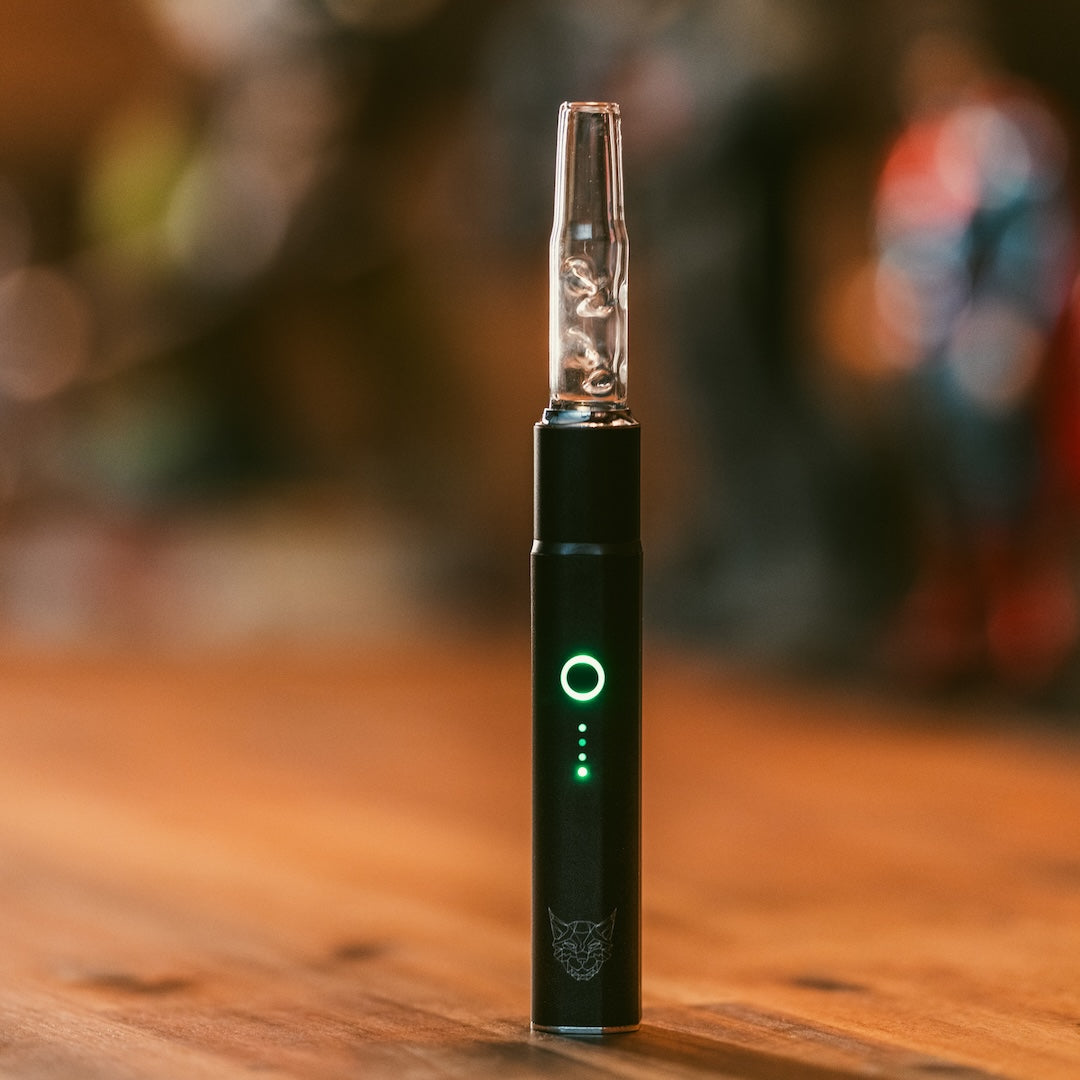
The oven is where the rubber meets the road. Over time, resin builds up and insulates the heating element, forcing it to work harder and potentially burning out prematurely. Use a pipe cleaner or a specialized tool to gently scrape the sides. If the oven is clogged, airflow drops, and you get uneven hits.
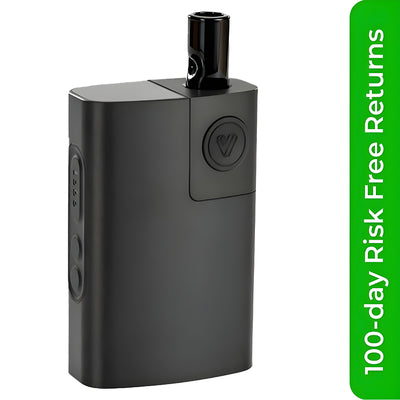
The mouthpiece takes the brunt of physical abuse. Drops and accidental sits can create hairline fractures that are hard to see but easy to feel. Cracks here can let in air leaks, ruining your draw, or worse, let glass shards into your lungs. If you see any damage, replace it immediately.
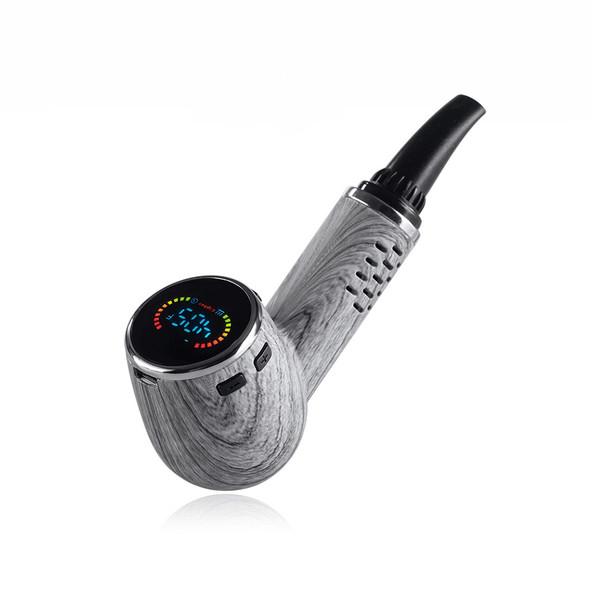
A healthy battery should hold a charge for several sessions. If your device dies after one or two hits, or if the voltage drops noticeably while you’re vaping, the internal cells are degrading. This is a common failure point in older devices and is usually not repairable without specialized tools.
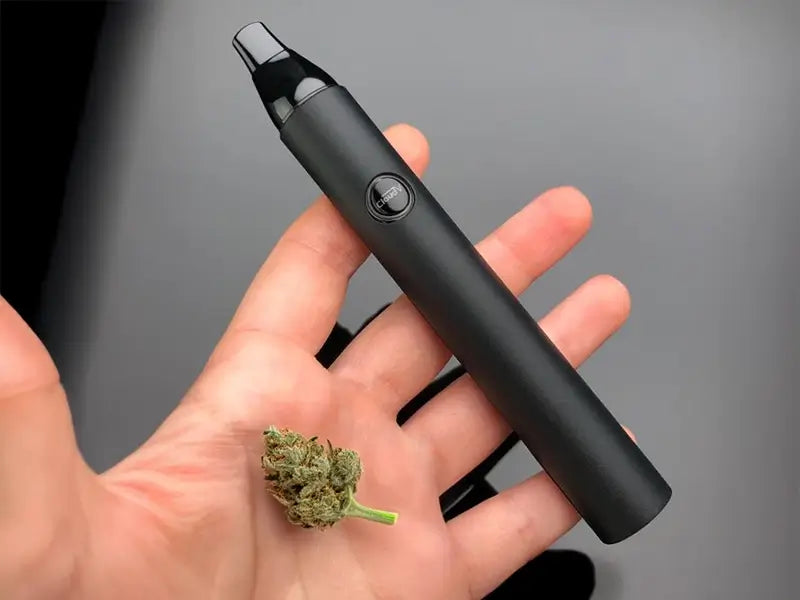
Vapor travels through a complex air path that includes cooling fins to lower the temperature before it hits your mouth. Dust and debris can clog these fins, making your vapor hot and harsh. Use compressed air to blow out the exterior vents. A clear path means cooler, smoother hits.
Plan for ownership costs
A dry herb vaporizer is rarely a one-time purchase. The upfront price is just the beginning of what you will spend to keep the device running. Over time, you will need to replace parts that wear out or degrade from heat and residue. Understanding these recurring costs helps you choose a device that remains affordable long after the initial checkout.
The most frequent expense is replacing the mouthpiece and seals. Plastic mouthpieces crack under thermal stress, and silicone or rubber gaskets harden over time, leading to air leaks that ruin vapor density. Budget $10 to $20 annually for replacement mouthpieces and O-rings, depending on how often you clean and handle your device. Some premium models offer ceramic or metal mouthpieces that last significantly longer, reducing this recurring cost.
Batteries are the second major ownership cost. Lithium-ion cells degrade with charge cycles, especially if exposed to high heat or left at 0% charge for months. Expect to replace the battery every two to three years for portable units. Replacement batteries typically cost $15 to $30. Devices with user-replaceable batteries are cheaper to maintain than those with sealed, internal cells, which may require professional service or total unit replacement.
Heating elements eventually fail or accumulate carbon buildup that cannot be fully cleaned. While some units allow you to replace the oven or heating coil, others require sending the entire unit to the manufacturer. Factor in $20 to $50 for occasional deep cleaning kits or replacement heating assemblies. If your vaporizer uses a proprietary heating element, check the price before buying, as these can sometimes cost more than a basic replacement unit.
Finally, consider the cost of accessories. A good cleaning brush, isopropyl alcohol, and cotton swabs are inexpensive but essential for maintaining airflow and flavor. Without regular maintenance, residue buildup can clog air pathways, forcing you to replace parts sooner. Treating your vaporizer like a precision instrument rather than a disposable gadget extends its life and keeps total ownership costs low.
Dry herb vaporizer: what to check next
Before buying a dry herb vaporizer, most users have the same practical concerns about technique, settings, and results. Here are the answers to the most common questions.
No comments yet. Be the first to share your thoughts!