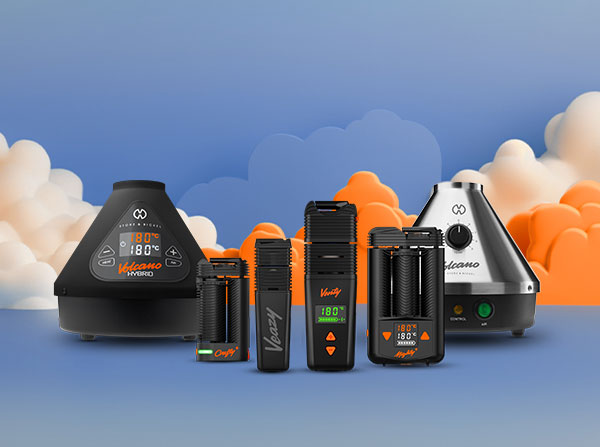

Vaporizer 2026 Budget
A $50 to $150 budget covers the most practical entry points for dry herb vaporizers. At this price tier, you are trading raw power and advanced temperature precision for portability and ease of use. The goal is finding a device that hits consistently without requiring a steep learning curve or expensive maintenance routine.
The Venty Vaporizer stands out in this bracket as a strong all-rounder. It balances a compact form factor with decent convection airflow, making it a reliable daily driver for casual users who prioritize discretion over raw cloud production. Its build quality holds up well against the drop-and-wear reality of travel.
For those who value flavor purity above all else, the Tinymight 2 is the benchmark. While it pushes the upper limit of this budget, its hybrid heating system delivers one of the cleanest taste profiles in its class. It requires a bit more patience to load properly, but the payoff in smoothness is immediate.
If you need something that fits in a pocket without sacrificing too much battery life, the Pax Flow is a solid contender. It strips away unnecessary features to focus on core functionality. It won’t win any awards for maximum vapor volume, but it is incredibly consistent and easy to clean, which matters more for long-term satisfaction than peak intensity.
| Feature | Venty Vaporizer | Tinymight 2 | Pax Flow |
|---|---|---|---|
| Best For | All-around use | Flavor focus | Pocket portability |
| Heating Type | Convection | Hybrid | Convection |
| Portability | High | Medium | Very High |
| Ease of Use | Moderate | Moderate | High |
When shopping in this range, check the battery capacity and heating element type. Devices under $100 often rely on conduction heating, which can scorch herbs if not managed carefully. Look for models with replaceable mouthpieces or easy-clean designs to keep the experience pleasant over time.
Shortlist real options
Finding the best vaporizer 2026 models requires matching your usage habits to specific hardware strengths. The market has shifted toward hybrid heating systems that balance flavor retention with consistent potency. Below is a comparison of the top contenders based on current reliability, heating technology, and user feedback.
| Model | Heating Type | Best For | Key Feature |
|---|---|---|---|
| Venty Vaporizer | Hybrid | Overall Portability | Fast heat-up time |
| Tinymight 2 | Convection | Flavor Chasing | Ceramic heating chamber |
| Arizer Solo 3 v2 | Hybrid | Heavy Use | Glass tube purity |
| Pax Flow | Convection | Beginners | App connectivity |
| Storz & Bickel Mighty+ | Reliability | Dual battery system |
The Venty Vaporizer stands out for its speed, making it the best overall portable for those who value quick sessions. Its hybrid heating system bridges the gap between conduction and convection, delivering consistent clouds without the long wait times of older models.
For flavor purists, the Tinymight 2 is the top choice. Its all-ceramic path ensures no metallic taste, preserving the delicate terpenes in dry herbs. It is slightly bulkier but worth the trade-off for taste.
Heavy hitters often prefer the Arizer Solo 3 v2. The revamped hybrid system offers intense vapor production, while the glass tube connection maintains purity. It is a robust option for users who prioritize density over pocket size.
The Pax Flow and Mighty+ cater to different needs. Pax Flow integrates seamlessly with smartphones for precise temperature control, ideal for tech-savvy beginners. The Mighty+ remains the gold standard for durability, handling both dry herbs and concentrates with equal ease.
Inspect the expensive parts
Dry herb vaporizers are precision instruments, not disposable lighters. When a $300 device stops working, it is usually because one specific component failed. You can fix most expensive failures yourself if you know where to look. This checklist focuses on the parts that cost the most to replace and fail the most often.
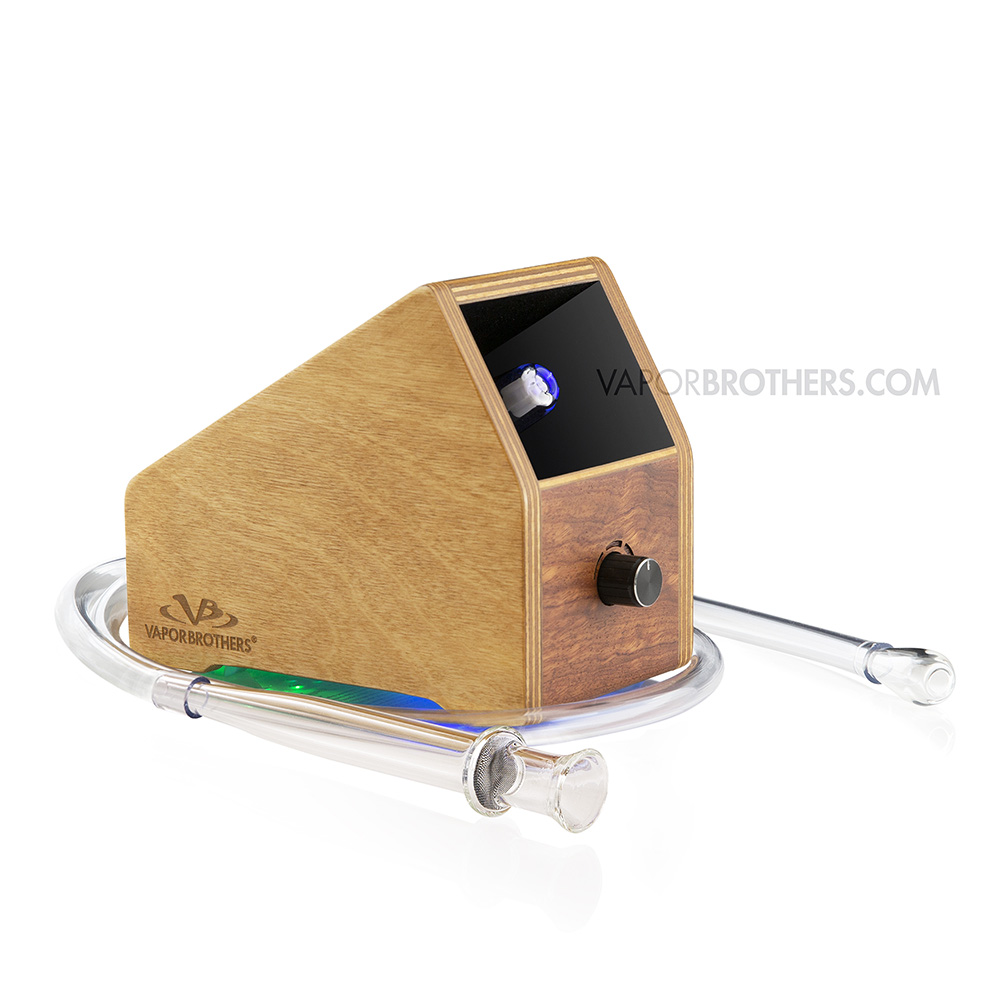
The heating element is the heart of your device. Look for dark, crusty residue on the oven walls or grill. This buildup restricts airflow and causes uneven heating. Clean it with isopropyl alcohol and a pipe cleaner after every few uses. If the element looks corroded or broken, the whole oven may need replacement.
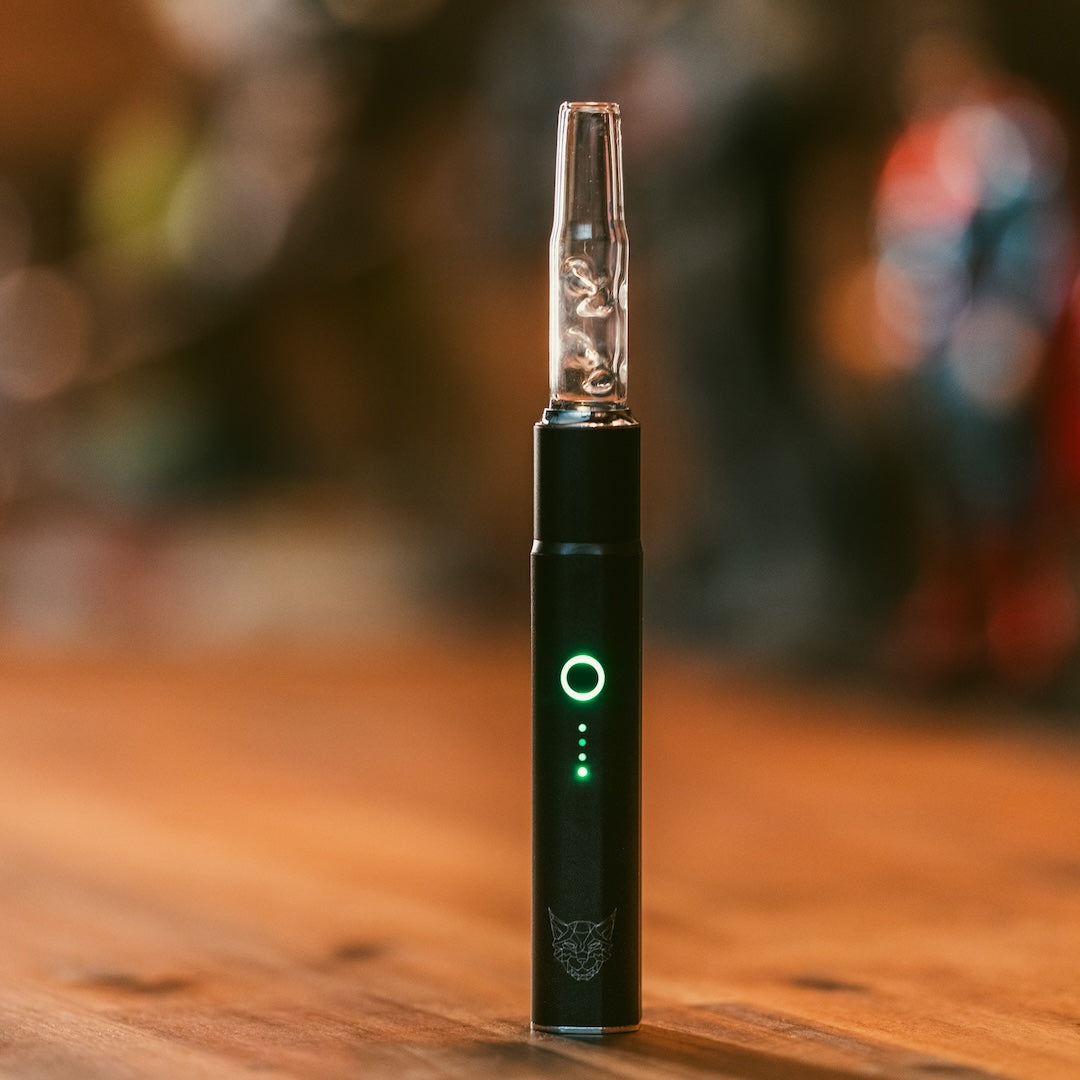
A loose mouthpiece lets heat escape, resulting in weak clouds. Check if the mouthpiece screws on tightly or clicks into place. If the connection feels loose, the internal threads may be stripped or the seal worn out. A failing mouthpiece connection is often cheaper to replace than a new device.
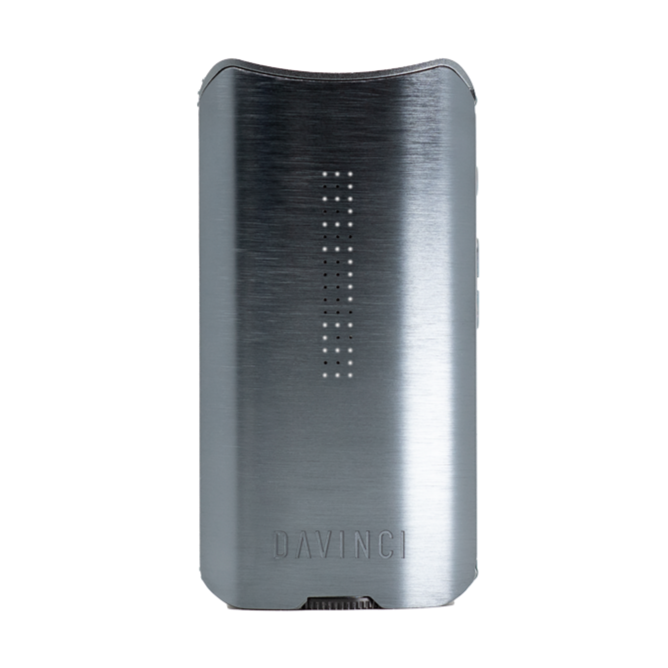
Corrosion on the battery contacts is a common silent killer. Look for green or white crust on the metal prongs inside the battery compartment. Clean them with a cotton swab and rubbing alcohol. If the contacts are pitted or melted, the battery housing itself may be damaged, requiring a full unit replacement.
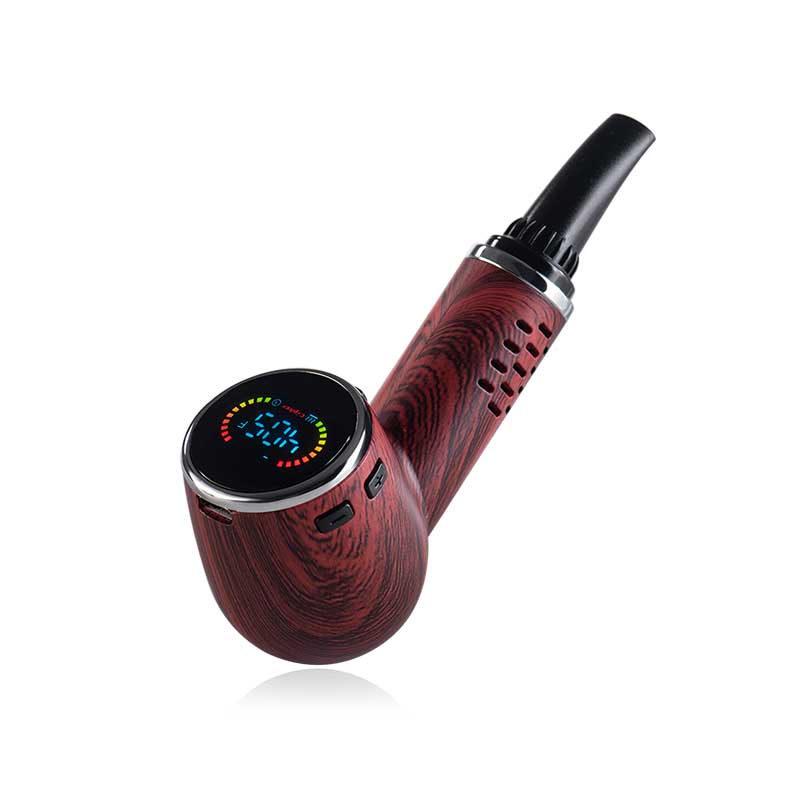
Vapors travel through a narrow tube from the oven to the mouthpiece. This path gets clogged with resin over time. Use a pipe cleaner to check for blockages. A blocked air path forces the device to work harder, draining the battery and potentially overheating the heating element.
Keeping these parts clean and intact extends the life of your vaporizer significantly. Most failures are preventable with regular maintenance. If you spot a broken part, check the manufacturer’s warranty before buying a new device.
Plan for ownership costs
The sticker price is only the first expense. A $200 vaporizer can become a $300 habit if you ignore the parts that wear out. Maintenance isn't just about cleaning; it's about replacing components that degrade with heat and friction. If you treat a dry herb vaporizer like a disposable lighter, you'll pay for it repeatedly.
Replacement parts and filters
Every vaporizer has a consumable. Mouthpieces crack from thermal shock. Screens clog with resin, reducing airflow and flavor. Some units, like the Arizer Solo 3, use replaceable glass whips that can break if dropped. Others rely on internal ceramic screens that need swapping every few months of heavy use. Check the manufacturer's spare parts store before buying. If replacement parts are discontinued or expensive, the device's total cost of ownership jumps significantly.
Battery degradation
Lithium-ion batteries die. They don't last forever. A portable vaporizer with a non-removable battery will likely need a full replacement after 2-3 years of daily use. This often costs 50-70% of the original device price. Devices with removable batteries, like the Venty or certain Pax models, allow you to buy a fresh battery pack for a fraction of the cost. When shopping, prioritize hot-swappable batteries if you plan to keep the device long-term.
Cleaning supplies
You'll need isopropyl alcohol and pipe cleaners or specialized cleaning solutions. These are cheap, but they add up if you buy pre-mixed kits. More importantly, neglecting cleaning voids warranties on many premium devices like the Tinymight 2. A $10 bottle of alcohol lasts months. Ignoring it leads to gunk buildup that damages heating chambers, forcing a costly repair or early retirement of the device.
When cheap stops being cheap
A $50 vaporizer often uses inferior plastics and non-replaceable batteries. When it breaks, you throw it away. A $300 device like the PAX Flow or HR Vaporizer is built with metal and modular parts. The initial hit is higher, but the ability to replace individual components extends the device's life by years. Calculate the cost per year of ownership, not just the upfront price. The cheapest option is rarely the most economical over time.
Vaporizer 2026: what to check next
Navigating the current vaporizer market requires looking past marketing hype to see what actually delivers consistent performance. The following answers address the most common practical concerns for buyers in 2026.
No comments yet. Be the first to share your thoughts!