
AI enters the session
Cannabis consumption has always been intertwined with technology. We’ve moved from simple pipes to sophisticated vaporizers, and dosing has become more precise with apps designed to track intake. But the latest shift feels different. It’s not just about better tools, it's about smarter ones. Artificial intelligence is starting to creep into the world of smoking accessories, and it's prompting a re-evaluation of how we approach the session.
Most 'AI' in this space is actually just basic machine learning. You won't find a robot rolling joints from scratch yet. Instead, these devices use algorithms to track how you hit a pen or how often you clean a rig, then tweak the settings to match those patterns.
The field is still incredibly nascent. Most applications are in early stages, and the long-term impact remains to be seen. But the potential is there. Imagine a grinder that learns your ideal consistency, or a vaporizer that anticipates your preferred temperature based on the strain and time of day. It’s a world where technology isn’t just facilitating consumption, but actively enhancing it. It's a space I'm watching closely.
Currently, the majority of what's available focuses on data collection and personalization within vaporizers. The wider range of accessories is just beginning to explore the possibilities, and that’s where a lot of the interesting developments will likely happen in the next few years. Considering the rapid pace of development in AI, it’s a good time to start paying attention.

Smart grinders and automated prep
The idea of an AI-powered grinder seems straightforward: a device that analyzes the density and moisture content of your material and adjusts its grind accordingly. While fully adaptive grinders aren't widespread, there's a growing interest in precision grinding. Some newer electric grinders offer multiple speed settings, allowing for a more controlled grind, but true AI-driven adjustment is still largely aspirational.
Automated rolling machines are another area where we might expect to see AI integration. Currently, most machines focus on speed and consistency, but imagine a machine that learns your preferred pack density and filter placement. A few models, like those from OTTO, offer consistent, pre-rolled cones, but they don't yet incorporate learning algorithms to personalize the roll. They're more about automation than intelligence.
Grinders that actually learn your habits don't exist yet. Adding sensors and processors to a manual tool is expensive, and most people are happy with a standard 4-piece setup. Stick to a well-made stainless steel grinder until the tech actually catches up to the marketing.
The rise of smart pens
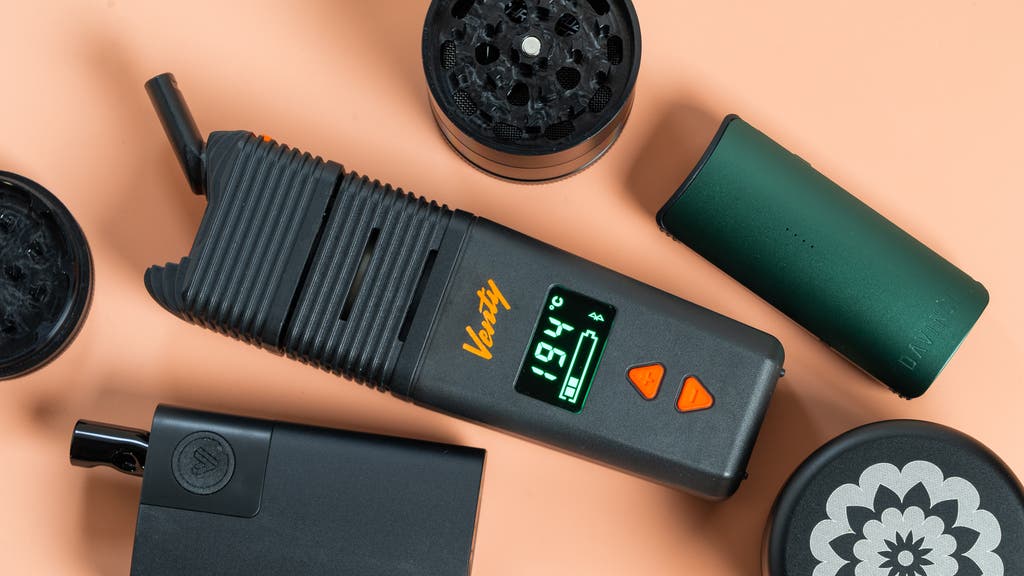
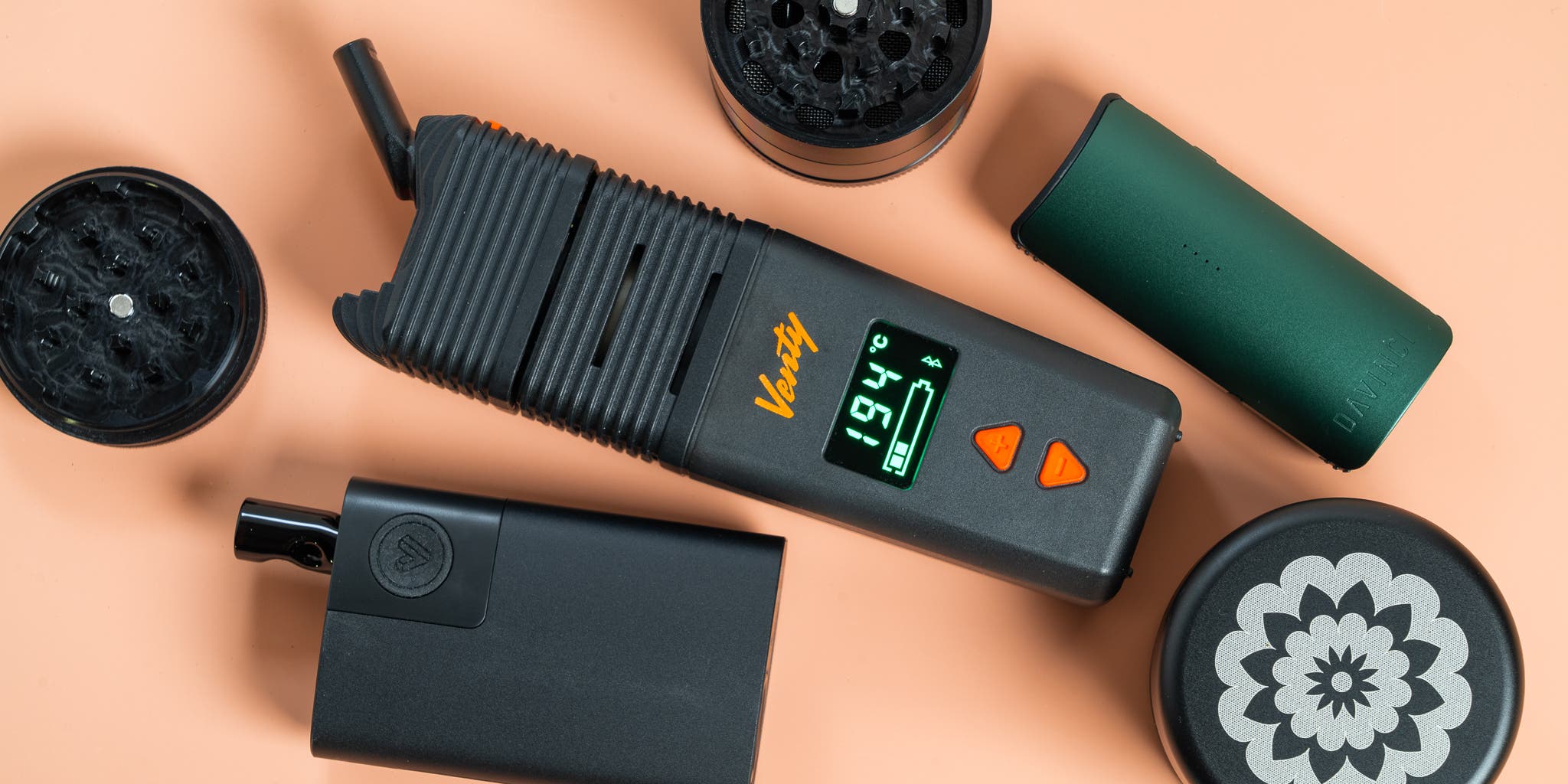
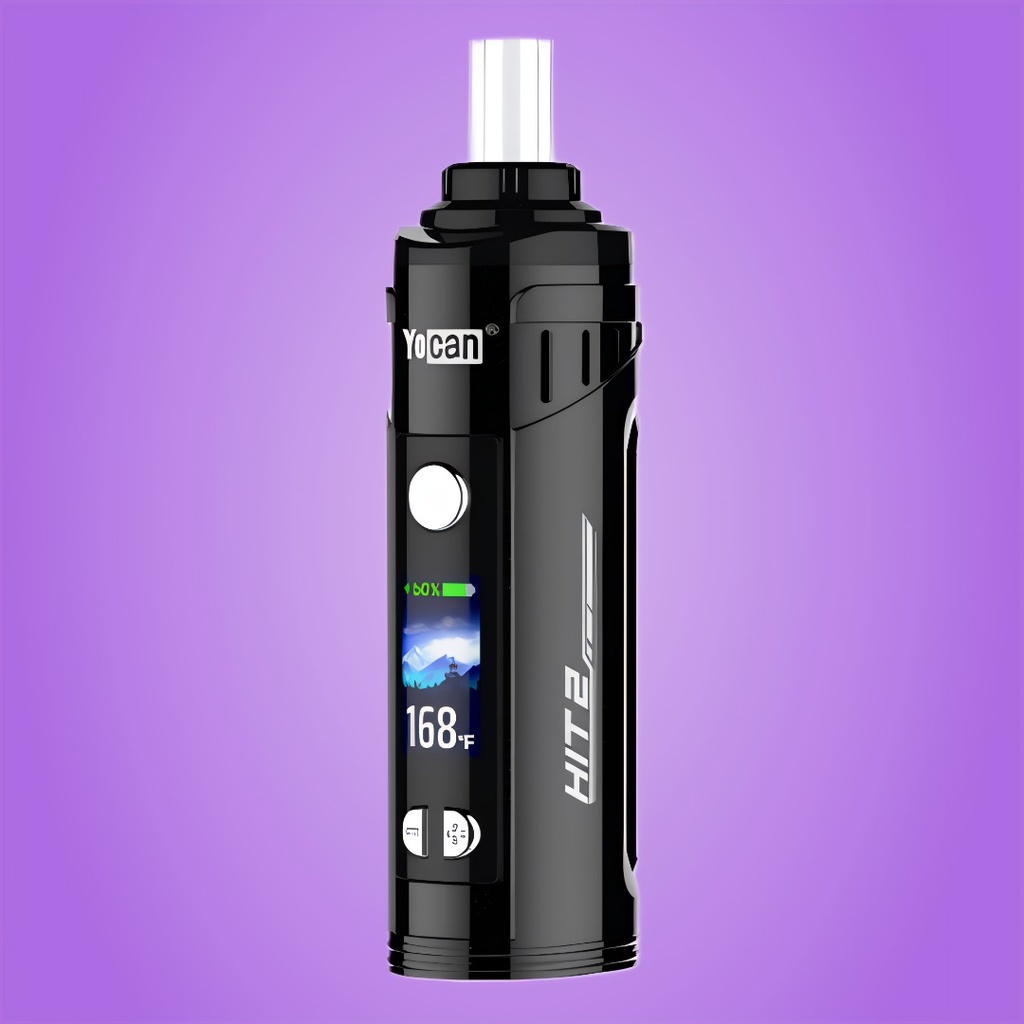
This is where AI is making the most noticeable impact. Smart vaporizers, also known as "smart pens", are designed to learn your vaping habits and optimize the experience. They collect data on temperature preferences, session length, draw patterns, and even the type of material being vaporized.
The core principle is simple: the device analyzes your behavior and adjusts settings to deliver your ideal vape. Puffit, for example, tracks your draw patterns and suggests optimal temperature settings based on your usage. Some devices also use this data to predict battery life and alert you when it's time to recharge. This level of personalization goes far beyond the simple temperature controls of traditional vaporizers.
However, this data collection raises valid privacy concerns. What data is being stored, and who has access to it? It's important to read the privacy policies of these devices carefully and understand how your information is being used. Some companies offer options to anonymize your data or opt-out of data collection altogether, which is a definite plus.
The potential benefits of personalized vaporization are significant. By optimizing temperature and session length, these devices can potentially enhance flavor, maximize efficiency, and deliver a more consistent experience. But it's important to remember that these are still relatively new technologies, and the long-term effects of data-driven vaporization are still unknown. It's a trade-off between personalization and privacy.
- Data Collection: Temperature, session length, draw patterns, material type.
- Personalization: Optimized temperature settings, battery life prediction.
- Privacy Concerns: Data storage, access, and anonymization options.
Beyond Consumption: AI for Accessory Care
AI's application doesn't stop at the act of consumption. There's a growing interest in using technology to simplify accessory maintenance. While still a niche area, we’re seeing innovative products emerge.
For example, some companies are exploring ultrasonic cleaning devices with automated cycles and sensors to detect residue levels. These devices could potentially optimize cleaning times and ensure thorough cleaning of bongs, pipes, and other accessories. Others are working on humidity-controlled storage containers that monitor environmental conditions and alert you when adjustments are needed to preserve the quality of your cannabis.
The idea of a "smart stash jar" that monitors humidity and temperature isn't far-fetched. Maintaining optimal storage conditions is crucial for preserving terpenes and preventing degradation, and AI could play a role in automating this process. These applications are still relatively uncommon, but they represent a promising area for future development.
Privacy and the future of data
The increasing connectivity of smoking accessories raises significant data privacy concerns. These devices collect a wealth of personal information, including consumption habits, preferences, and even potentially location data. It’s essential to understand how this data is being used and protected.
Transparency is key. Companies should clearly disclose what data they collect, how they store it, and who has access to it. Users should have the option to control their data, including the ability to anonymize it or opt-out of data collection altogether. Without these safeguards, there's a risk of data breaches and misuse.
Looking ahead, we can expect to see even more sophisticated AI applications emerge. Imagine a vaporizer that automatically adjusts its settings based on your physiological state, or an app that recommends strains based on your mood and activity level. The possibilities are endless, but it's crucial to prioritize privacy and security as these technologies evolve.
I anticipate more integration between accessories and mobile apps. This will likely lead to more personalized experiences, but also greater data collection. The challenge will be finding a balance between innovation and privacy. Regulation will likely play a role in shaping the future of smart smoking accessories, ensuring that user data is protected and used responsibly.
- Data Security: Protecting personal consumption data.
- Transparency: Clear disclosure of data collection practices.
- User Control: Options to anonymize or opt-out of data collection.
Current Standouts: Devices Worth Watching
While the AI-powered accessory market is still developing, a few devices stand out for their innovation and potential. Here are a few worth keeping an eye on.
Puffit: This smart vaporizer tracks your draw patterns and provides personalized temperature recommendations. Its data-driven approach makes it a leader in the personalized vaping space, though privacy concerns remain. It’s priced around $250.
DaVinci IQC: The IQC offers a 'flavor wall' feature that allows you to customize your vaping experience based on strain profiles. While not strictly AI, its advanced customization options and data collection capabilities position it as a smart vaporizer. It falls in the $280-$350 range.
OTTO Automatic Rolling Machine: While not AI-powered in the learning sense, OTTO's consistent and efficient automated rolling is a significant step forward in prep technology. It streamlines the process and delivers a uniformly rolled joint every time. It's an investment at around $289.
These devices represent a glimpse into the future of cannabis consumption. They demonstrate the potential of AI and automation to enhance the experience, but also highlight the importance of responsible data handling and user privacy. They aren’t perfect, but they are pushing the boundaries of what’s possible.
AI-Powered Smoking Accessories: A Comparative Look (2026)
| Device Name | Key AI Feature | Data Privacy | Price Range | User Experience |
|---|---|---|---|---|
| Puffly AI Vaporizer | Personalized temperature profiles based on strain and user preference. | Data stored locally on device; optional cloud backup with encryption. | Mid-Range | Excellent |
| DaVinci IQC 2.0 | AI-powered 'Flavor Walls' – adjusts heating curves to maximize terpene extraction. | Anonymous usage data collection for algorithm improvement; user opt-out available. | High-End | Very Good |
| Firewood 2.0 Smart Pipe | Automatic ember management and consistent bowl temperature via AI learning. | Minimal data collection; focuses on device performance metrics only. | Mid-Range | Good |
| BloomBox AI | Automated dosing and session control based on desired effects and tolerance levels. | Secure, HIPAA-compliant data storage; user control over data sharing. | High-End | Excellent |
| XYZ Smart Rolling Machine | AI-assisted rolling for perfectly consistent joints; learns user preferences for size and tightness. | Data stored locally; optional account creation for saving profiles. | Low-Mid Range | Good |
Illustrative comparison based on the article research brief. Verify current pricing, limits, and product details in the official docs before relying on it.

No comments yet. Be the first to share your thoughts!