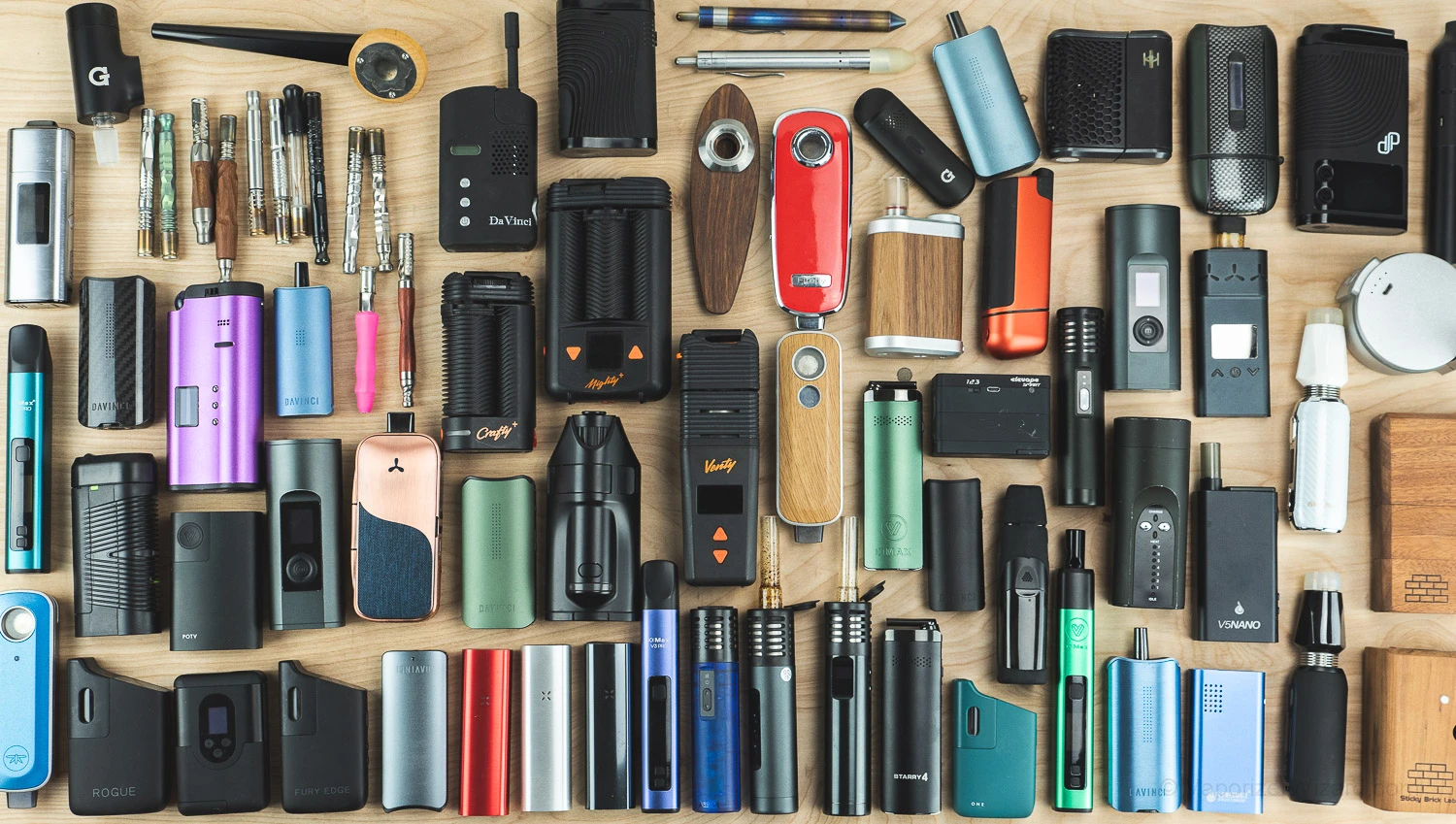

How we picked the best vaporizer 2024
We evaluated portable dry herb vaporizers based on three core metrics: heating speed, flavor purity, and battery consistency. Our testing prioritized flavor integrity over raw power. A vaporizer that hits 400°F instantly but tastes like burnt paper fails the primary test of quality.
Heating speed was measured by time-to-target temperature, but we balanced this against thermal stability. Devices that fluctuate wildly between draws produce harsh, inconsistent vapor. We tested each unit using a standardized set of dried herbs, focusing on how well the convection or convection-hybrid system extracted essential oils without combustion.
Battery life was assessed under real-world conditions rather than lab settings. We looked for devices that maintain consistent power delivery until the final draw, rather than those that drop performance as the charge depletes. This ensures that the vapor quality remains stable throughout the session, a critical factor for both portability and daily usability.
Best overall portable vaporizer: Storz & Bickel Venty
The Storz & Bickel Venty stands as the benchmark for portable dry herb vaporizers, a title it has held for consecutive years due to its uncompromising approach to vapor quality. Unlike many competitors that prioritize size over substance, the Venty maintains a compact footprint while delivering a heating performance that rivals larger desktop units. It is widely recognized in the industry for consistency, ensuring that every session matches the last in terms of flavor clarity and density.
At the core of its performance is a hybrid heating system that combines convection and conduction. This dual approach heats the herb chamber evenly, eliminating the risk of hot spots that can scorch delicate terpenes. The result is a smooth, full-bodied vapor that retains the nuanced flavor profile of the dry herb. The airflow is engineered to provide a gentle draw, making it comfortable for extended use without the harshness often associated with smaller portable devices.
Battery life and build quality further cement its position as a top choice. The device features a robust construction that withstands daily travel, paired with a battery capable of supporting multiple sessions on a single charge. This reliability, combined with its award-winning vapor production, makes the Venty the definitive all-around pick for enthusiasts who refuse to compromise on quality.
Best for flavor: Tinymight 2
The Tinymight 2 is built for users who prioritize taste over raw density. It uses a convection-only heating method, where hot air passes directly through the herb chamber. This approach extracts flavor compounds more cleanly than hybrid systems, which often rely on conduction that can scorch plant material.
The device features a replaceable ceramic heating chamber. Ceramic retains heat efficiently and does not impart metallic or plastic tastes, even after extended use. The airflow is tight, requiring a firm draw, but this resistance helps ensure every particle reaches the optimal temperature for vaporization.
Users report dense, flavorful clouds that retain the subtle terpenes of the strain. The build quality is robust, with a stainless steel exterior that feels substantial in hand. While the learning curve is slightly steeper than plug-and-play models, the payoff in vapor purity makes it a favorite among connoisseurs.
Best budget option: Utillian 723
The Utillian 723 positions itself as a high-value entry point for users who prioritize full convection heating without paying the premium associated with flagship models. Unlike conduction-only devices that scorch herb, this unit relies on a fan-forced system to draw hot air through the chamber, ensuring even heating and preserving the delicate terpene profile of your material.
At the core of its performance is a ceramic heating chamber paired with a metal screen. This combination allows for consistent airflow and prevents the herb from falling into the mouthpiece, a common issue with cheaper mesh-screen designs. The device offers precise temperature control, letting users dial in specific heat levels to extract flavor or produce denser vapor clouds as desired.
Portability is handled by a sleek, cylindrical body that fits comfortably in a pocket. While it lacks the premium metal build of higher-end competitors, the plastic housing is durable and lightweight. For those seeking a reliable convection experience on a tighter budget, the Utillian 723 delivers solid vapor quality without the luxury markup.
Best pocket-sized vape: Pax Flow or Veazy
Discretion and portability define the ultra-compact vaporizer category. When size matters more than battery life or chamber capacity, the choice usually narrows to the Pax Flow and the Veazy Nova. Both devices prioritize being pocket-friendly, but they take different approaches to heating and user experience.
The Pax Flow uses convection heating, which forces hot air through the herb for even vaporization. This method preserves flavor and ensures consistent draws without scorching the material. Its slim, rectangular design fits easily into a jacket pocket, and the magnetic pod system makes loading and cleaning straightforward. The Pax app allows for precise temperature control, giving users fine-tuned adjustments for different strains.
The Veazy Nova, by contrast, relies on conduction heating with a ceramic chamber. It heats up faster than the Pax Flow, making it ideal for quick sessions. The device is slightly more rounded and compact, offering a different grip feel. While it lacks the app-based precision of the Pax, it offers a simpler, button-driven interface that requires no setup. The Veazy’s airflow is adjustable, allowing users to customize the density of their vapor.
Choosing between them depends on your priority. If you value flavor clarity and customizable heat settings, the Pax Flow’s convection system is superior. If you prefer speed and simplicity with a smaller footprint, the Veazy Nova is the better fit. Both devices deliver reliable vapor quality in a package that disappears into your pocket.
Quick comparison of top dry herb vaporizers
Use this section to make the Best Vaporizer decision easier to compare in real life, not just on paper. Start with the reader's actual constraint, then separate must-have requirements from details that are merely nice to have. A practical choice should survive normal use, maintenance, timing, and budget. If a recommendation only works in an ideal situation, call that out plainly and give the reader a fallback path.
| Factor | What to check | Why it matters |
|---|---|---|
| Fit | Match the option to the primary use case. | A good deal still fails if it does not fit the job. |
| Condition | Verify age, wear, and service history. | Hidden condition issues erase upfront savings. |
| Cost | Compare purchase price with likely upkeep. | The cheapest option is not always the lowest-cost option. |
What to look for in a dry herb vaporizer
Choosing the right dry herb vaporizer means balancing heating efficiency, battery endurance, and build quality. The heating method is the most critical technical factor, directly influencing flavor purity and consistency.
Conduction vs. convection heating
Conduction vaporizers heat herbs by placing them in direct contact with a hot metal surface. This method is common in budget-friendly devices but can sometimes lead to uneven burning if the herbs aren't packed correctly. Convection vaporizers, like the PAX 3, use hot air to pass through the herb chamber. This method typically preserves more flavor and provides a smoother, more consistent vapor because the herbs heat evenly without scorching. Many premium portable vaporizers now use hybrid systems that combine both methods for optimal results.
Material quality and durability
The build materials determine how long your device lasts and how clean the vapor tastes. Look for vapor paths made from food-grade glass, ceramic, or medical-grade stainless steel. These materials do not leach chemicals or retain odors like plastic can. The exterior should be robust enough to withstand drops, as portable vaporizers travel with you. Devices like the Volcano Hybrid use high-quality aluminum and glass components to ensure longevity and purity.
Battery capacity and charging
Battery life dictates how many sessions you can enjoy on a single charge. For daily users, a vaporizer with at least 30 minutes of active heating time is essential. Fast-charging capabilities are also important to minimize downtime. The Venty, for example, is noted for its strong battery life, allowing for multiple sessions without frequent recharging. Always check if the device uses a standard USB-C port for universal charging compatibility.
Frequently asked questions about dry herb vapes
How do I clean a dry herb vaporizer?
Maintenance depends on the heating method. For convection units like the Tinymight 2, use a small brush to clear loose particles from the chamber. For conduction devices, a cotton swab dipped in 91% isopropyl alcohol works best for the mouthpiece and screen. Avoid soaking internal electronics. Regular cleaning preserves the flavor profile and ensures consistent vapor density.
Can I use ground flower or only whole buds?
Most dry herb vaporizers require finely ground herb, similar to coffee grounds, rather than whole buds. The grind size affects airflow; too coarse restricts air, while too fine can clog the screen. Devices like the Zeus Arc GT4 feature adjustable airflow, allowing you to fine-tune the draw based on your grind consistency. Always check the manufacturer’s guidelines for specific chamber requirements.
How long does a dry herb vape battery last?
Battery life varies by device and usage intensity. The Venty is known for strong battery performance, often lasting multiple sessions on a single charge. Standby mode can drain power if left on for days. To extend longevity, turn off the device when not in use and avoid overcharging. Lithium-ion batteries degrade over time, so expect reduced capacity after a year or two of regular use.
No comments yet. Be the first to share your thoughts!