
Vaporizers in 2026: What’s Changed
The dry herb vaporizer market in 2026 is a different beast than it was even a couple of years ago. We’re seeing a significant push towards personalized experiences, with manufacturers focusing on precise temperature control and app integration. The demand for discreet, high-performing portables continues to drive innovation, but desktop vaporizers haven’t been left behind—they’re getting smarter, too.
Flavor is a major battleground right now. Companies are experimenting with new materials like zirconia and glass pathways to minimize flavor distortion. Battery technology is also improving, with many devices now offering all-day usability. I've noticed a shift away from simple on/off functionality towards more nuanced heating profiles, allowing users to really dial in their preferred experience.
The sheer number of options available can be overwhelming. It feels like a new vaporizer launches every week, each promising to be the "best’ yet. That’s where a guide like this comes in. We"ve cut through the noise and tested dozens of devices to bring you a curated list of the top performers, based on real-world usage and objective criteria. It's about finding what works for you, and that's not always the most hyped product.
Our Testing Methodology
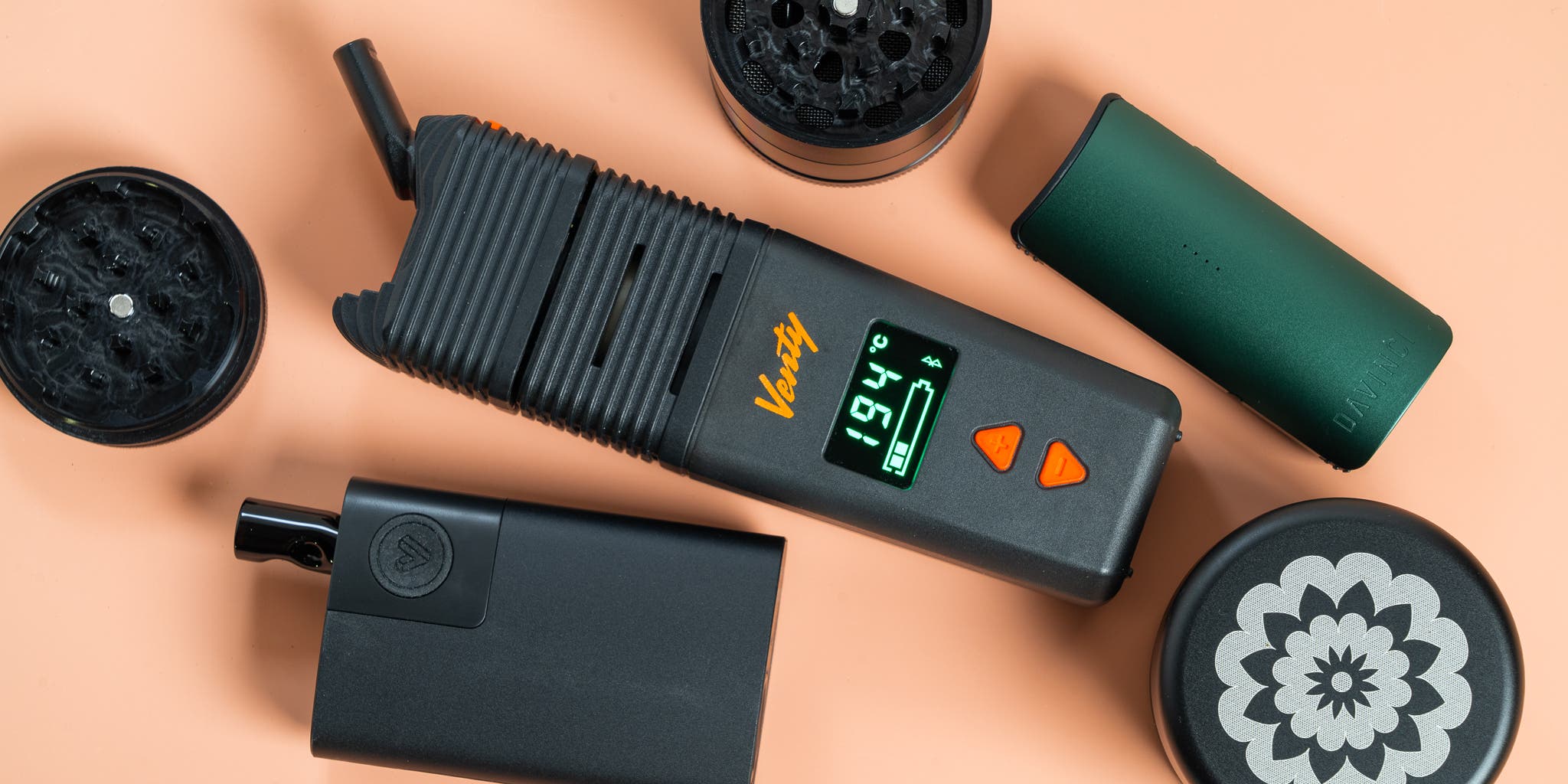
Transparency is key. We didn't just pull these rankings out of thin air. Our testing process is designed to be repeatable and objective, focusing on the factors that matter most to experienced users. We started with a pool of over 30 vaporizers, narrowing it down to 15 based on initial specs and user reviews.
Each vaporizer was evaluated across several key criteria: vapor quality (flavor, smoothness, density), build quality (materials, durability), portability, battery life, heating time, ease of use, cleaning, and overall value. We used a standardized testing protocol, vaporizing a consistent 0.15-gram sample of "Sour Diesel" cannabis—sourced from a local, licensed dispensary—for each test. This helped to minimize variations in results.
Our testing team consists of five individuals with a combined 20+ years of experience using and reviewing vaporizers. We have a range of preferences, from those who prioritize flavor to those who want massive clouds. We all kept detailed notes on each device, and our rankings are based on a consensus of our experiences. It wasn't always easy; disagreements happened, but they led to more thorough discussions and ultimately, a more accurate assessment.
We also factored in long-term usability. A vaporizer might perform great initially, but if it’s a pain to clean or the battery degrades quickly, that impacts its overall value. We ran each device through multiple cycles, simulating weeks of regular use to assess its durability and reliability.
- Vapor Quality (Flavor, Smoothness, Density)
- Build Quality (Materials, Durability)
- Portability
- Battery Life
- Heating Time
- Ease of Use
- Cleaning
- Overall Value
Top 15 Dry Herb Vaporizers of 2026
Here are the top 15 dry herb vaporizers for 2026, ranked based on our testing. Prices are approximate and based on manufacturer suggested retail price as of March 2026.
1. XMAX V3 Pro ($150): The XMAX V3 Pro consistently impressed us with its versatility and affordability. It’s a hybrid convection/conduction vaporizer with a replaceable 18650 battery and on-device controls. The flavor is surprisingly good for the price point, and it's incredibly easy to use. Pros: Affordable, versatile, replaceable battery. Cons: Build quality feels a bit plasticky.
Our experience with the XMAX V3 Pro was overwhelmingly positive. It heats up quickly—around 30 seconds—and produces smooth, flavorful vapor. It’s a great option for beginners and experienced users alike.
2. POTV Lobo ($350): The POTV Lobo, known for its exceptional vapor quality, utilizes a hybrid heating system and a glass vapor path. It’s a bit larger than some of the other portables, but the performance is worth it. Pros: Incredible flavor, excellent vapor production, solid build quality. Cons: Pricey, larger size.
The Lobo delivers a truly premium vaping experience. The vapor is cool, smooth, and incredibly flavorful, even with harsher strains. Cleaning is relatively straightforward, thanks to the removable glass components.
3. Pax Four ($275): The latest iteration of the Pax, the Four, builds on its predecessors with hybrid heating technology that, according to Pax Labs, produces 50% more vapor and faster heat up times. It’s sleek, discreet, and packed with features. Pros: Sleek design, fast heating, improved vapor production. Cons: Can be finicky, limited customization.
The Pax Four definitely delivers on its promise of increased vapor production. The flavor is good, though not quite as clean as some of the other vaporizers on this list. The app integration is a nice touch, allowing you to customize your heating profiles.
4. Firewood 9 ($220): A rugged and reliable option, the Firewood 9 offers a full convection experience in a compact package. It’s known for its durability and long battery life. Pros: Durable, long battery life, full convection. Cons: Can be a bit harsh, limited temperature control.
The Firewood 9 is a workhorse. It can handle a lot of abuse and consistently delivers solid vapor production. It's not the smoothest vape, but it's a great choice for those who prioritize durability and reliability.
5. Crafty+ ($280): Storz & Bickel’s Crafty+ remains a top contender, offering exceptional vapor quality and precise temperature control. It’s a smaller, more portable version of the Mighty+. Pros: Excellent vapor quality, precise temperature control, reliable. Cons: Expensive, requires app for full functionality.
The Crafty+ delivers the signature Storz & Bickel vapor quality in a more compact form factor. The vapor is cool, smooth, and incredibly flavorful. The app allows you to fine-tune your experience, but it's not essential for basic operation.
6. DynaVap M ($130): A unique and versatile option, the DynaVap M is a battery-free vaporizer that uses a butane torch for heating. It’s known for its exceptional flavor and efficiency. Pros: Exceptional flavor, battery-free, efficient. Cons: Requires a torch, learning curve.
The DynaVap M takes some getting used to, but the reward is incredible flavor and a truly unique vaping experience. It's a great choice for those who want to avoid batteries altogether.
7. Arizer Air MAX ($160): The Arizer Air MAX builds on the success of its predecessors with improved battery life and faster heating times. It’s a versatile vaporizer that can handle both dry herb and concentrates. Pros: Versatile, improved battery life, fast heating. Cons: Can be a bit bulky.
The Air MAX is a solid all-around performer. The vapor quality is good, and the device is easy to use and maintain.
8. Healthy Rips Rogue ($140): A budget-friendly option that doesn’t compromise on performance, the Healthy Rips Rogue delivers surprisingly good vapor quality for the price. Pros: Affordable, good vapor quality, compact. Cons: Build quality is basic.
9. Boundless CFC 2.0 ($100): Another affordable option, the Boundless CFC 2.0 is a simple and easy-to-use vaporizer that’s perfect for beginners. Pros: Very affordable, easy to use. Cons: Vapor quality is average.
10. DaVinci IQC ($180): A stylish and innovative vaporizer, the DaVinci IQC features adjustable airflow and a unique "flavor wall" that allows you to control the amount of vapor you inhale. Pros: Adjustable airflow, unique flavor wall, stylish design. Cons: Can be a bit complex.
11. Utillian 722 ($130): The Utillian 722 is a versatile and affordable vaporizer that offers both conduction and convection heating. Pros: Versatile, affordable, good battery life. Cons: Vapor quality is average.
12. G Pen Dash ($100): A compact and discreet vaporizer, the G Pen Dash is perfect for on-the-go use. Pros: Compact, discreet, affordable. Cons: Small chamber, limited features.
13. KandyPens Ruby ($120): A stylish and easy-to-use vaporizer, the KandyPens Ruby is a good option for beginners. Pros: Stylish, easy to use, affordable. Cons: Vapor quality is average.
14. Yocan Vane ($80): A budget-friendly vaporizer that offers decent performance for the price. Pros: Very affordable, easy to use. Cons: Build quality is basic.
15. Puffit ($70): The most affordable option on our list, the Puffit is a basic but functional vaporizer that’s perfect for those on a tight budget. Pros: Extremely affordable, compact. Cons: Vapor quality is basic, limited features.
Featured Products

Ceramic heating system for pure herb diffusion · Adjustable temperature control with digital LED display · Sleek wood design with red light indicator
This aromatherapy diffuser offers precise temperature control and a beautiful wood finish, making it a stylish and effective way to enjoy your dry herbs.

200 durable stainless steel pipe filters · 15mm (0.59 inch) diameter, perfect for most pipes · Includes a convenient storage box
Keep your pipe clean and your draws smooth with these essential stainless steel filters, offering great value and performance.

Pocket-sized personal air filter · Reduces odor and keeps air fresh · Designed for discreet use with over 500 uses per pack
The VapeVac is your go-to for discreet vapor enjoyment, effectively minimizing odor and ensuring a fresher environment.
As an Amazon Associate I earn from qualifying purchases. Prices may vary.
Standout Vaporizers: A Closer Look
While all 15 vaporizers on our list are excellent choices, a few stood out from the crowd. These are the devices that we believe offer the best combination of performance, features, and value.
POTV Lobo: For those seeking ultimate flavor and vapor production, the Lobo is hard to beat. The glass vapor path and hybrid heating system deliver an incredibly smooth and satisfying experience. It's an investment, but one that’s well worth it for serious enthusiasts. One user on Planet of the Vapes commented, 'The Lobo is in a league of its own. The flavor is unlike anything I’ve ever experienced.'
XMAX V3 Pro: If you're looking for a versatile and affordable vaporizer, the XMAX V3 Pro is an excellent choice. It's easy to use, offers good vapor quality, and has a replaceable battery, extending its lifespan. It’s a fantastic entry point into the world of vaping.
Pax Four: The Pax Four represents the pinnacle of discreet and stylish vaping. It’s packed with features and delivers improved vapor production compared to previous models. While it can be a bit finicky, the overall experience is polished and refined.
Conduction vs. Convection: What’s the Difference?
Understanding the difference between conduction and convection heating is crucial for choosing the right vaporizer. Conduction vaporizers heat the herb directly through contact with a heated surface. This method is generally faster and more efficient, but it can also lead to uneven heating and a slightly harsher vapor.
Convection vaporizers, on the other hand, heat the air that passes through the herb. This results in more even heating and a cleaner, more flavorful vapor. Convection vaporizers typically take longer to heat up, but they offer a more nuanced and enjoyable experience.
Generally, convection is preferred for flavor—the vapor is cooler and retains more of the herb’s natural terpenes. Conduction is better for dense clouds, as it heats the herb more quickly and efficiently. Many vaporizers, like the XMAX V3 Pro and POTV Lobo, utilize a hybrid heating system, combining the benefits of both methods.
Conduction vs. Convection Vaporization: A Comparison
| Heating Speed | Flavor | Vapor Density | Efficiency | Maintenance |
|---|---|---|---|---|
| Faster | Milder, can sometimes taste the herb directly | Generally lower, thinner vapor | Can be less efficient as some material may combust | Typically easier, fewer parts to clean |
| Slower | More pronounced, purer flavor as herb doesn’t directly contact heat source | Higher, denser vapor production | Generally more efficient, extracting more cannabinoids | Can require more frequent and detailed cleaning due to airflow paths |
Illustrative comparison based on the article research brief. Verify current pricing, limits, and product details in the official docs before relying on it.
Maintenance and Longevity
Proper maintenance is essential for extending the life of your vaporizer. Regular cleaning prevents buildup and ensures optimal performance. Most vaporizers require cleaning of the chamber, mouthpiece, and air pathways. Isopropyl alcohol and cotton swabs are your best friends here.
Battery care is also important. Avoid overcharging or completely draining the battery, as this can shorten its lifespan. Store your vaporizer in a cool, dry place when not in use. Using quality accessories, such as replacement mouthpieces and screens, can also help to prolong its life.
Common issues include clogged air pathways, degraded batteries, and malfunctioning heating elements. If you encounter any problems, consult the manufacturer’s website or contact customer support. Addressing issues promptly can prevent them from escalating into more serious problems.
Investing in a good cleaning kit and keeping a supply of replacement parts on hand will save you headaches in the long run. A little preventative maintenance goes a long way.
Future Trends in Vaporizer Tech
The future of vaporizer technology is looking exciting. We’re likely to see more integration with smartphone apps, allowing for even more precise temperature control and personalized experiences. Advanced materials, such as graphene and ceramic coatings, could further improve vapor quality and durability.
I anticipate a continued focus on portability and discretion. Smaller, more powerful vaporizers that can seamlessly integrate into our daily lives will become increasingly popular. We might also see more sophisticated airflow systems and adjustable heating profiles.
The potential impact of regulations on the industry remains uncertain. As cannabis legalization spreads, we may see more standardized testing and quality control measures. This could lead to safer, more reliable vaporizers for consumers.
Ultimately, the goal is to create a more refined and enjoyable vaping experience. Innovation will continue to drive the industry forward, pushing the boundaries of what’s possible.

No comments yet. Be the first to share your thoughts!