
Container tech in 2026
Storing cannabis isn't just about hiding it from the neighbors anymore. By 2026, the focus has shifted entirely to terpene preservation. Air, light, and moisture are the enemies here; they strip away the flavor and potency that you're actually paying for. If you leave a high-end flower in a cheap plastic bag, you're essentially throwing money away as the compounds degrade.
The needs of the consumer dictate the container. A small amount for immediate use requires less robust protection than a larger, long-term reserve. Similarly, flower demands different storage than concentrates or edibles. The advancements we’re seeing in 2026 address these specific needs with a focus on material science and increasingly, technology.
For years, simple airtight jars were the standard. Now, consumers are demanding more. We’re seeing a shift toward containers designed to actively mitigate degradation, not just passively prevent it. I believe this is driven by a growing understanding of the plant’s complexities and a desire to maximize the value of each purchase. UV protection, humidity control, and even smart technology are becoming increasingly important features.
Glass, plastic, and steel
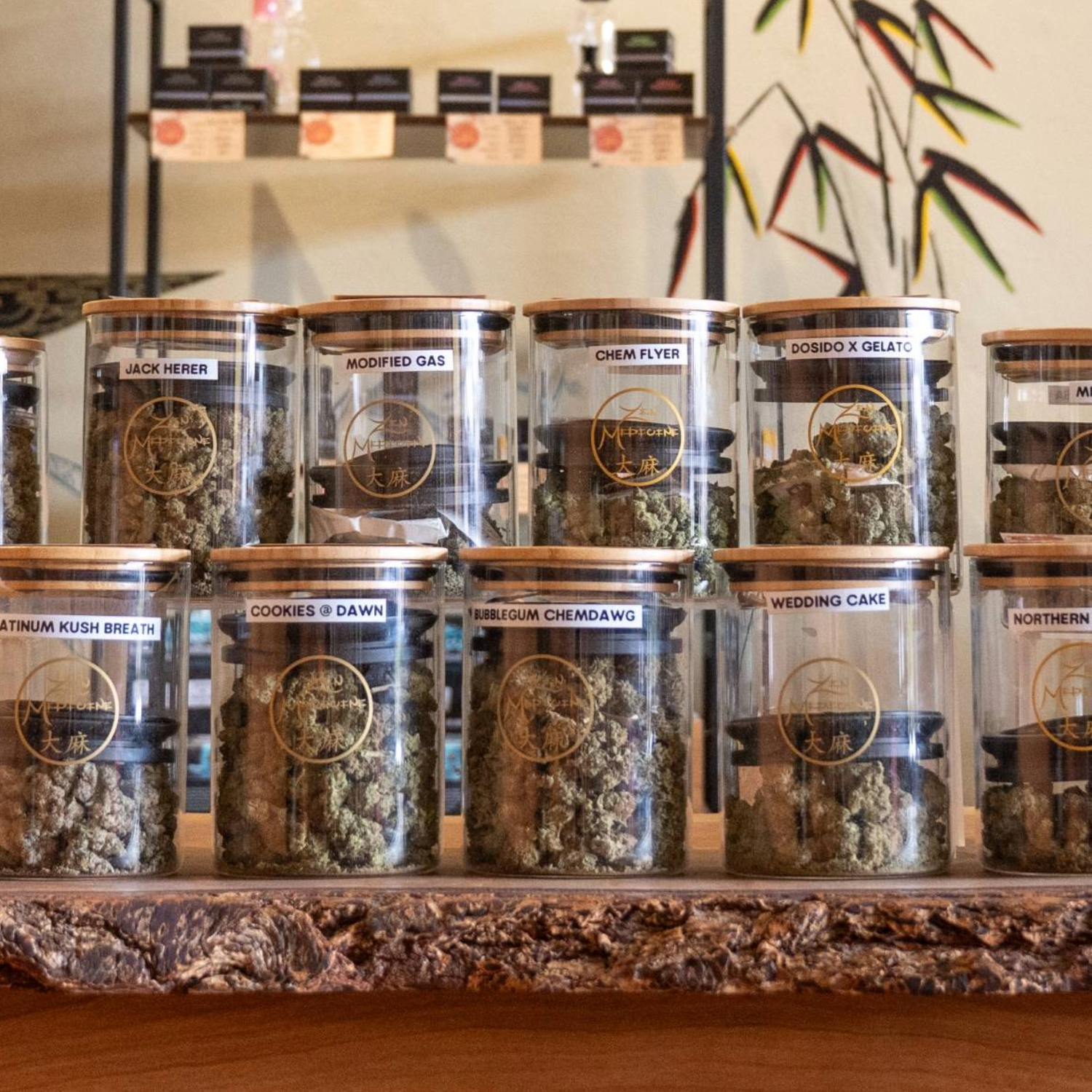
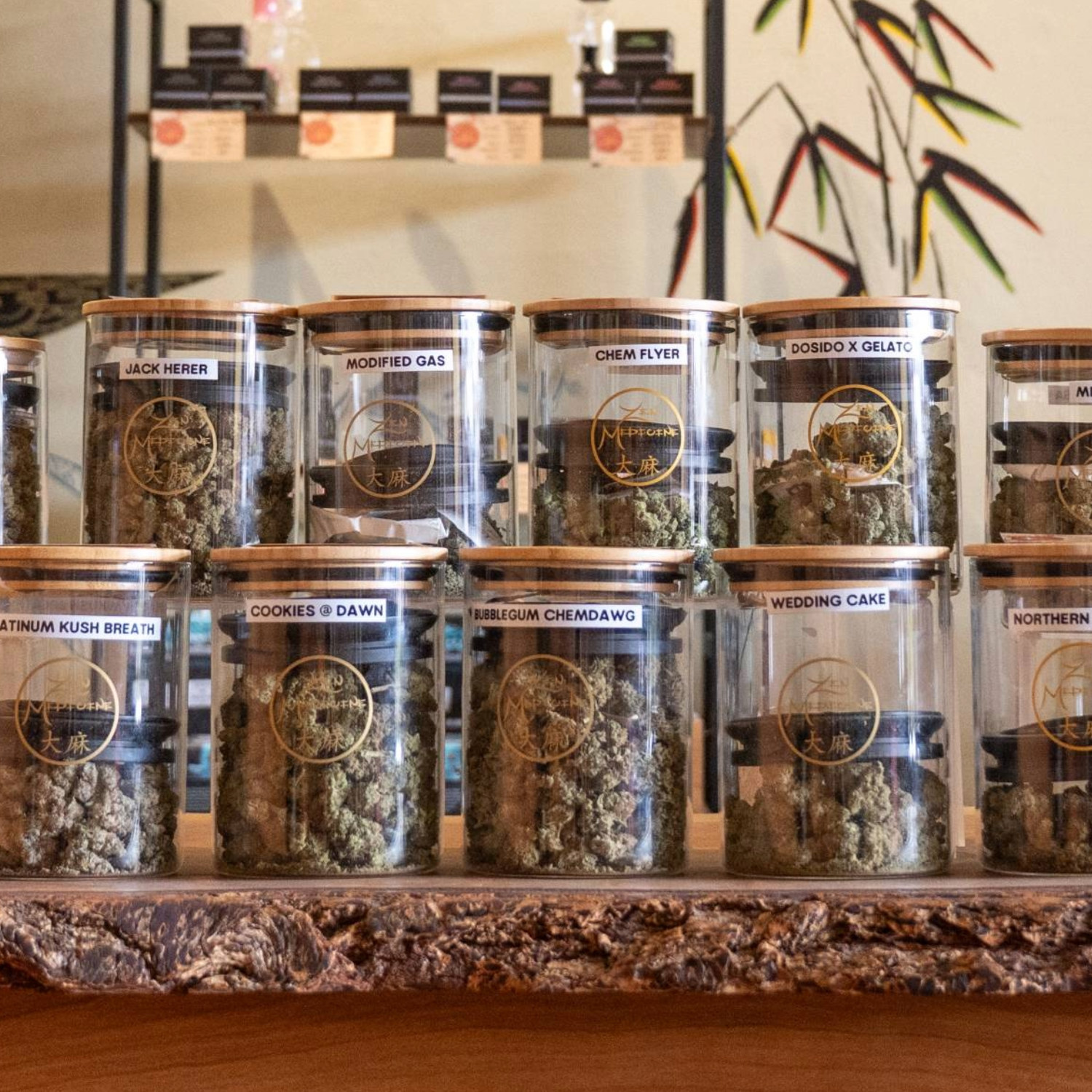
The foundation of any good cannabis container is its material. Borosilicate glass remains a popular choice due to its non-porous nature and ability to create an airtight seal. It’s also relatively inert, meaning it won’t react with the cannabis or leach any unwanted flavors. However, glass is fragile. It's a risk for those who travel or are prone to accidents.
UV-resistant plastics, particularly polypropylene and high-density polyethylene (HDPE), offer a more durable and lightweight alternative. These plastics are engineered to block harmful UV rays that degrade cannabinoids. The quality of the plastic matters significantly; cheaper options may not provide adequate protection. HDPE is generally considered more durable than polypropylene, but both are susceptible to cracking over time.
Stainless steel is the tank of the storage world. It blocks 100% of light and won't shatter if you drop it on a tile floor. The downside is you're flying blind—you have to open the lid to see how much stash is left, which lets in fresh oxygen. Bioplastics are also hitting the market, but I'd be careful with them. Many early versions don't hold a seal as well as traditional polymers, and some actually start to break down if they get too damp.
Ultimately, the best material depends on your priorities. Glass offers purity, plastic provides convenience, and steel delivers durability. The key is to choose a container made from high-quality materials that will effectively protect your cannabis.
- Borosilicate glass is inert and airtight, though it shatters easily.
- Polypropylene/HDPE: Pros - Durable, lightweight, UV resistant. Cons - Potential for cracking, quality varies.
- Stainless Steel: Pros - Very durable, lightproof. Cons - No visual inspection, requires airtight seals.
- Bioplastics: Pros - Renewable resource, potentially sustainable. Cons - Durability and airtightness still under evaluation.
The shift toward smart jars
We’re starting to see a new category of cannabis storage emerge: "smart’ containers. These aren’t just passively protecting your cannabis; they"re actively monitoring and regulating its environment. Some models incorporate humidity control packs and sensors that track moisture levels, alerting you via a smartphone app when adjustments are needed. Others offer temperature regulation, maintaining optimal storage conditions.
Cubbi, for example, offers a playfully-designed, smell-proof stash box. While not explicitly "smart" in the tech sense, it represents a step toward discreet and functional storage. Brands like Dime are also integrating tech into their storage solutions, but specifics on app connectivity and data security remain limited. This is a valid concern, as connecting your cannabis storage to the internet raises privacy questions.
The benefits of smart containers are clear: optimized preservation, reduced waste, and peace of mind. However, the drawbacks include a higher price point and potential reliance on technology that could fail or become obsolete. I'm not sure how much demand there really is for app-connected stash jars, but the trend suggests consumers are willing to pay for convenience and control.
- Active humidity control uses sensors to keep moisture levels steady.
- Temperature regulation: Prevents overheating or freezing.
- App connectivity: Allows remote monitoring and alerts.
Smart Cannabis Container Comparison - 2026
| Container Model | Humidity Control | Temperature Regulation | Security Features | Relative Price |
|---|---|---|---|---|
| PuffitUp Smart Jar | Active, two-way humidity packs included | Maintains stable temperature, no active cooling/heating | Combination lock with tamper-evident seal | Mid-Range |
| CannabisGuard Vault | Integrated desiccant system, adjustable vents | Passive insulation, minimizes temperature fluctuations | Biometric fingerprint access, alarm system | High-End |
| Herbie's StashSafe | Utilizes Boveda packs, monitoring via app | Temperature logging via app, alerts for deviations | Keyed lock, durable construction | Entry-Level |
| Smokecartel Airtight Case | Includes humidity control packs | Passive temperature protection | Combination lock | Low-Range |
| Terpeno Vault | Advanced humidity control with replaceable cartridges | Temperature stabilized compartment | Digital keypad with multi-user access | Mid-High Range |
| AromaSafe Pro | Active humidity control with sensor monitoring | Temperature alerts via mobile app | RFID locking system | High-End |
Illustrative comparison based on the article research brief. Verify current pricing, limits, and product details in the official docs before relying on it.
Odor Control: A Critical Component
Discreet storage is paramount for many cannabis consumers, and odor control is a crucial aspect of that. Activated carbon filters are a common solution, effectively absorbing volatile organic compounds (VOCs) that create the characteristic cannabis smell. The quality and quantity of the carbon significantly impact the filter’s effectiveness.
Multi-layer construction, incorporating materials like thick rubber and airtight seals, further enhances odor containment. Hard-sided containers generally outperform smell-proof bags in this regard, as bags are more prone to punctures and leaks. The sealing mechanism is also important; a tight, reliable closure is essential. I've seen some really flimsy 'smell-proof' bags that don’t live up to the hype.
If you're traveling, you need something with a reinforced seal and a carbon liner. Just keep in mind that 'smell-proof' is a relative term. Even the best gaskets can leak a little if the threads get dirty or if the container sits in a hot car for three hours. A good jar won't eliminate the scent entirely, but it keeps it from filling the room.
Top 8 Containers for 2026
Selecting the best cannabis storage container depends on individual needs and preferences. Here are eight options that stand out in 2026, balancing features, quality, and price.
1. PuffCuff Airtight Jar (around $20): A budget-friendly option offering a reliable airtight seal. It’s made of durable plastic and comes in various sizes. Great for small amounts of flower.
2. Smokecartel Premium Glass Jar (around $30): A classic borosilicate glass jar with a tight-fitting lid. Offers excellent purity and visual inspection. A solid all-around choice.
3. Dime Stash Box (around $60): A stylish and discreet storage box with a combination lock. Features a carbon filter for odor control and a durable construction.
4. Cubbi Travel Case (around $80): A smell-proof travel case with a playful design. Ideal for on-the-go storage and discreet transport.
5. Tightvac Container (around $40): Known for its innovative valve system, the Tightvac creates a vacuum seal with each closure, maximizing freshness.
6. Cannabis Quill Container (around $50): A durable, airtight container made from high-quality polypropylene. Features a unique design and a secure locking mechanism.
7. Airscape TerpLock Container (around $70): Designed specifically for cannabis, the Airscape utilizes a one-way valve to maintain optimal humidity and prevent oxidation.
8. Revelry Smart Stash Jar (around $120): A premium smart container with humidity and temperature sensors, app connectivity, and a sleek design. Offers the most advanced level of preservation and control.
Premium Storage Solutions
- PuffCuff Cannabis Storage Container - A discreet, airtight container constructed from platinum-cured silicone, known for its odor control and durability. Available in various sizes.
- Tightvac FoodSaver Containers - Utilizing a unique vacuum-seal mechanism, Tightvac containers actively remove air to preserve freshness. Reusable and available in multiple capacities.
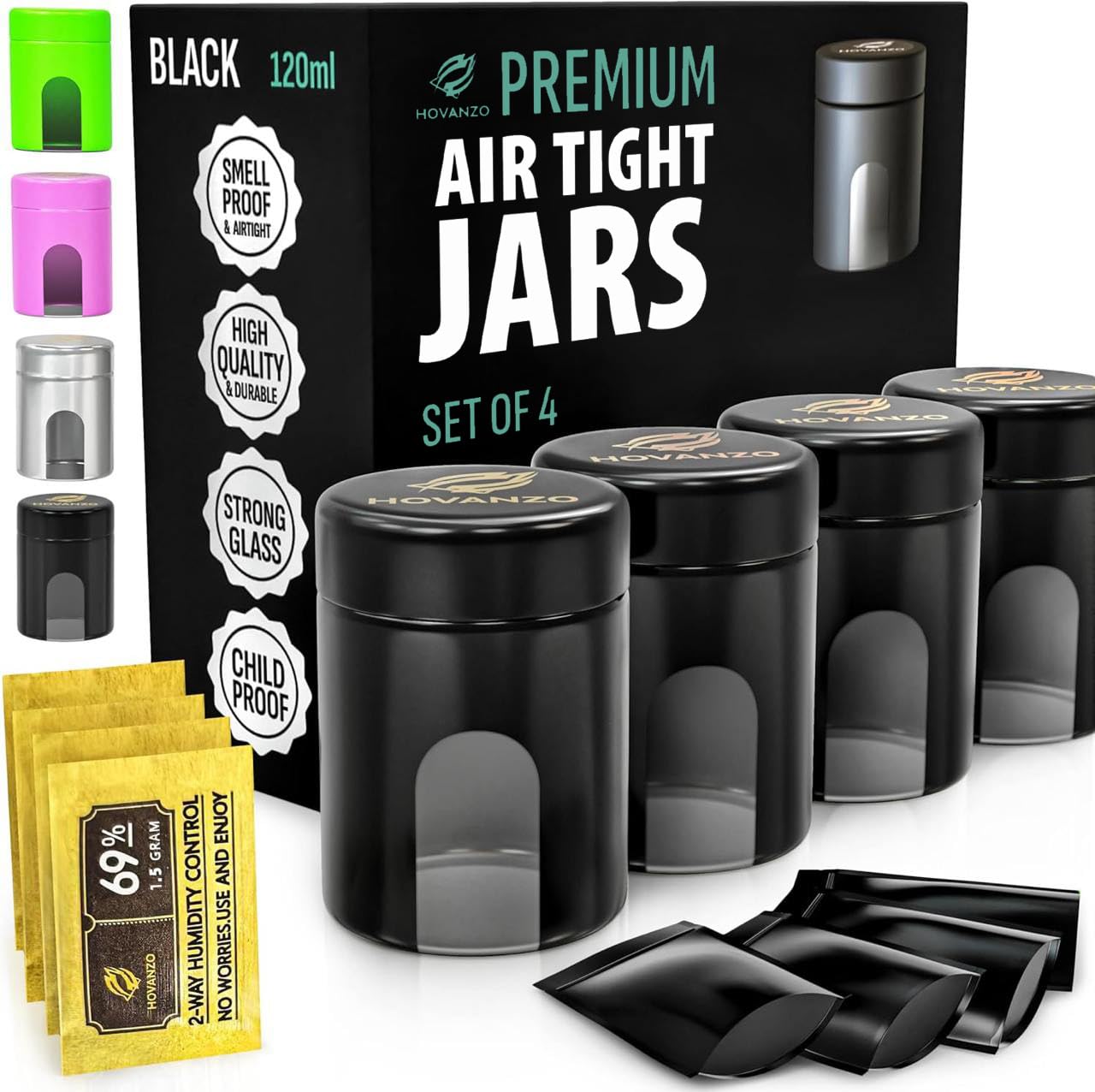
- Smellcomf Storage Jar - These glass jars feature a four-layer locking system including a silicone seal and combination lock, prioritizing both freshness and security.
- Poploc Pal - A modular, stackable system of airtight containers designed for organization and odor containment. Constructed from BPA-free plastic.
- CannabisKeeper Jar - A borosilicate glass jar with a robust, multi-point locking system and a silicone seal. Designed for long-term storage and discretion.
- AirTight Stash Jar by Dime Bags - Durable, smell-proof glass jars with a secure, screw-on lid. Dime Bags is a well-established name in cannabis accessories.
- 710 Labs Silicone Storage Jars - High-quality, medical-grade silicone containers designed for concentrates and extracts. Heat-resistant and non-stick.
Maintaining Container Integrity
Even the best cannabis storage container requires proper care. Regularly clean your containers with mild soap and water, ensuring they are completely dry before storing your cannabis. Avoid harsh chemicals or abrasive cleaners, as these can damage the material and potentially contaminate your product.
Pay close attention to the sealing mechanism. Ensure the lid fits snugly and that any gaskets or O-rings are intact. Replace any damaged containers immediately, as a compromised seal can significantly reduce their effectiveness. It's easy to overlook this, but a cracked jar isn't doing anyone any favors.
Inspect containers periodically for signs of wear and tear, such as cracks, chips, or discoloration. Early detection and replacement can prevent spoilage and maintain the quality of your cannabis.
No comments yet. Be the first to share your thoughts!