
The shift to plant-based papers
There’s a quiet revolution happening in the smoking accessories world, and it’s driven by a growing awareness of sustainability. For years, rolling papers were largely made from wood pulp, a process that contributes to deforestation and relies on chemical-intensive production. But consumers are changing, demanding more ethical and environmentally responsible options. They’re asking questions about where materials come from, how they’re processed, and what happens to the packaging afterward.
This isn’t just a trend; it’s a response to a real environmental impact. Traditional wood-pulp papers require significant energy and water resources, and the bleaching process often introduces harmful chemicals into the environment. The shift towards plant-based alternatives isn't simply about 'going green'; it’s about reducing that impact and supporting more sustainable agricultural practices. We’re seeing a genuine push for transparency and accountability from brands, and consumers are rewarding those efforts with their dollars.
The demand for eco-friendly rolling papers is increasing rapidly. What was once a niche market is quickly becoming mainstream, with established brands and newcomers alike scrambling to offer more sustainable products. This article will explore the leading brands, materials, and innovations shaping the future of responsible smoking. It’s a good time to be a conscious consumer, and a good time to rethink your roll.
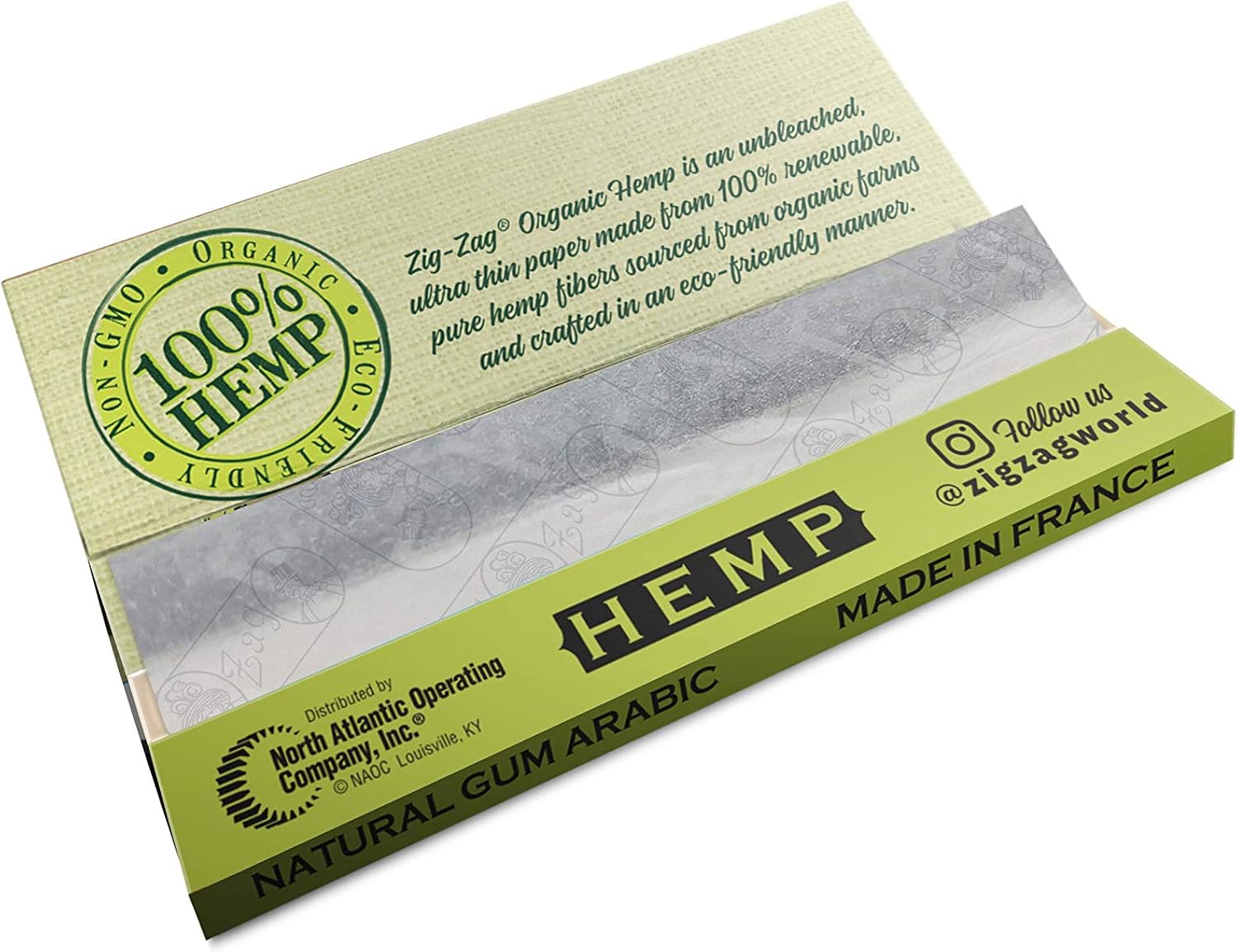
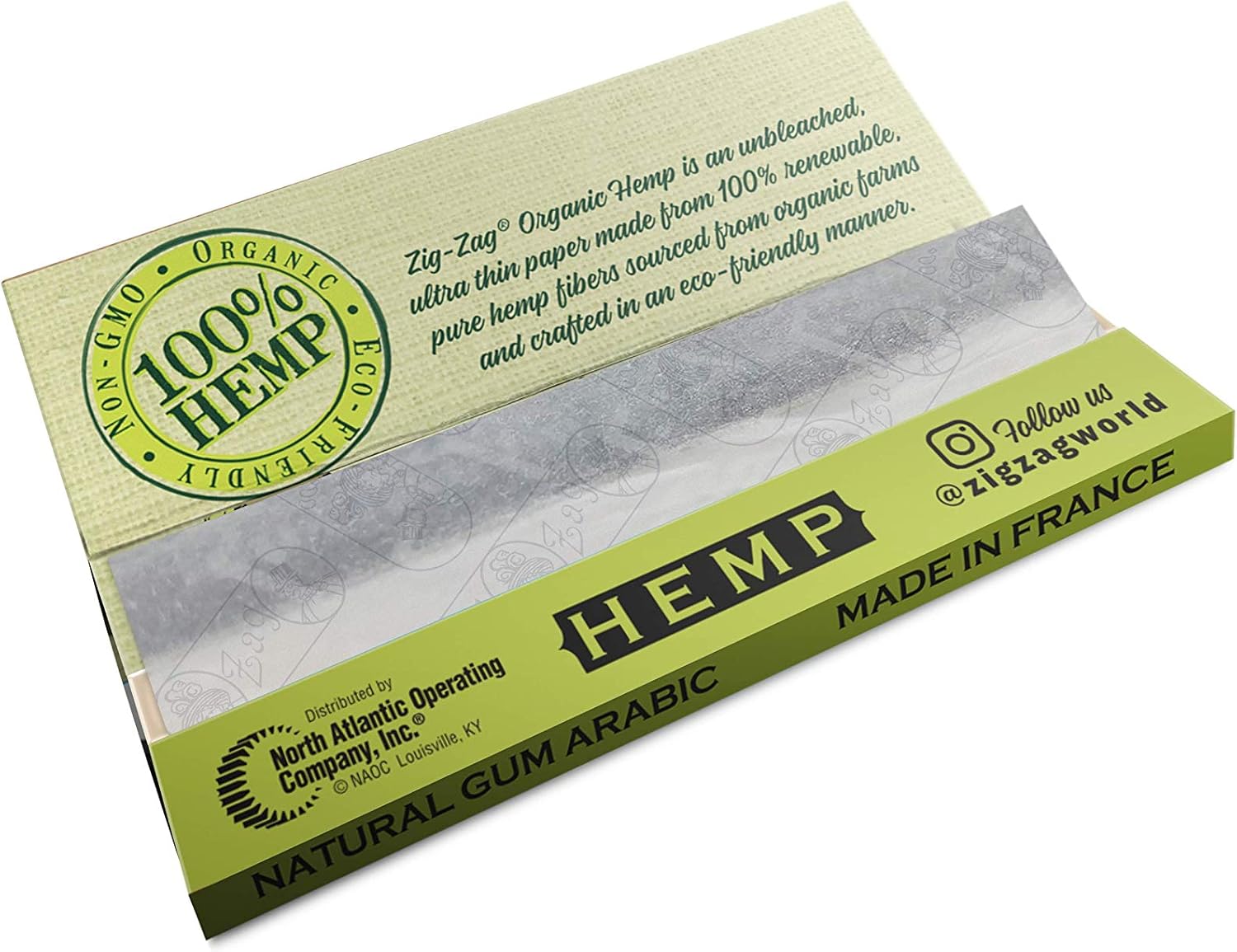
Hemp papers: The current standard
Hemp has largely become the benchmark for sustainable rolling papers, and for good reason. It's a remarkably efficient crop, growing quickly with minimal need for pesticides or herbicides. Hemp also actively benefits the soil it’s grown in, improving soil health and reducing erosion. Compared to trees, hemp requires significantly less water and land, making it a far more eco-conscious choice.
The qualities of hemp paper vary, but generally, they offer a natural, slightly textured feel. Thickness is a key factor – thinner papers like those from RAW are prized for their smooth burn and minimal impact on the flavor of the cannabis, while thicker papers provide more structure for larger rolls. Burn rate is also important; some prefer a slower burn to conserve cannabis, while others want a quick, even burn. Taste is subjective, but many users appreciate the subtle, natural flavor of hemp.
Brands like RAW are practically synonymous with hemp papers. They’ve built a loyal following by focusing on quality and sustainability, offering a wide range of sizes and materials. Elements papers are also popular, known for their extra-thin design and smooth burn. Bambu is another strong contender, emphasizing both sustainability and affordability. Each brand has its own nuances; RAW leans toward a more natural, rustic experience, Elements focuses on refinement, and Bambu offers a great balance of price and quality.
Paper thickness significantly impacts the smoking experience. Thinner papers, such as RAW Classic, let the cannabis flavor come through more clearly. Thicker papers, like some Bambu options, offer more structure for larger rolls or a more substantial feel. Experimenting with different thicknesses is recommended to find personal preferences.
- RAW: Known for its natural, unbleached papers and wide variety of sizes.
- Elements: Praised for its extra-thin design and consistent burn.
- Bambu: A more affordable option that still prioritizes sustainability.
Alternative plant fibers
While hemp currently dominates the eco-friendly rolling paper market, there’s a growing interest in other plant-based materials. Rice papers are a particularly intriguing option, known for their incredibly thin and almost tasteless quality. They burn very quickly and cleanly, making them ideal for those who prioritize a pure cannabis flavor. However, they can be delicate and prone to tearing, so they require a bit of practice to roll effectively.
Flax papers are another promising alternative. They offer a smooth burn and a delicate, slightly sweet flavor. Flax is also a relatively sustainable crop, requiring less water and pesticides than many traditional crops. They tend to be a bit more durable than rice papers, making them a good option for beginners. The texture feels different than hemp, almost silky.
Development of papers from bamboo and seaweed is noteworthy. Bamboo grows rapidly with minimal resource needs, though processing can be challenging. Seaweed is a rapidly renewable resource with a naturally thin and pliable texture. These materials show potential for future sustainable rolling papers, though widespread acceptance for seaweed papers is uncertain.
Brands innovating in sustainability
Several brands are going above and beyond simply using sustainable materials. They’re tackling every aspect of the production process, from sourcing to packaging. One standout is Rolling Stone Papers, a company committed to using 100% recycled materials for its packaging and sourcing its hemp from organic farms. They’ve also partnered with environmental organizations to support reforestation efforts.
GreenGo is another brand I’ve been impressed with. They offer unbleached hemp papers and use water-based inks for their packaging, minimizing their environmental impact. They’re also very transparent about their sourcing practices, providing detailed information on their website. They don’t just say they’re sustainable; they show it.
Blazy Susan offers a unique approach, focusing on pre-rolled cones made from plant-based cellulose. These cones are biodegradable and compostable, addressing the issue of plastic waste often associated with pre-rolled products. While cones aren’t rolling papers, they are a popular consumption method and Blazy Susan is making waves in that space. They also have a strong commitment to supporting cannabis advocacy.
Finally, Cycle Papers is worth mentioning. They use a unique blend of hemp and flax, and they focus on minimizing waste throughout their entire supply chain. They’re also committed to giving back to the community, donating a portion of their profits to environmental causes. These brands demonstrate that sustainability can be integrated into every aspect of a business.
- Rolling Stone Papers: Uses 100% recycled packaging, sources organic hemp, and partners with reforestation organizations.
- GreenGo: Offers unbleached hemp papers and uses water-based inks on packaging.
- Blazy Susan: Produces biodegradable cellulose cones and supports cannabis advocacy.
- Cycle Papers: Features a hemp and flax blend, focuses on minimizing supply chain waste, and donates to environmental causes.
Eco-Friendly Rolling Paper Brand Comparison - 2024/2025 (Looking Ahead to 2026)
| Brand Name | Material(s) Used | Packaging Sustainability | Ethical Sourcing | Certifications | Price Range |
|---|---|---|---|---|---|
| Elements Rolling Papers | Rice, Flax, Hemp | Good | Yes | FSC Certified Paper | $5 - $15 |
| Raw Rolling Papers | Unbleached Rice, Hemp | Fair | Yes | None Listed | $6 - $20 |
| Planet Papers | Hemp | Excellent | Yes | Vegan Friendly | $8 - $18 |
| OCB Organic Rolling Papers | Organic Hemp | Good | Unclear | None Listed | $4 - $12 |
| GreenGo Rolling Papers | Hemp | Excellent | Yes | None Listed | $7 - $16 |
| Shivaratri Rolling Papers | Locally Sourced Hemp | Good | Yes | None Listed | $10 - $25 |
Illustrative comparison based on the article research brief. Verify current pricing, limits, and product details in the official docs before relying on it.
Unbleached vs. bleached papers
The bleaching process used to whiten some rolling papers is a significant environmental concern. Traditionally, chlorine-based bleaching agents were used, which release harmful dioxins into the environment and create toxic wastewater. While some manufacturers have switched to elemental chlorine-free (ECF) or totally chlorine-free (TCF) bleaching methods, these processes still have an environmental impact.
Unbleached papers, on the other hand, retain their natural color, eliminating the need for bleaching altogether. This reduces the environmental burden and ensures that no harmful chemicals are released into the ecosystem. The color difference is subtle – unbleached papers have a slightly tan or brown hue – and doesn’t affect the smoking experience for most users.
The question of whether bleached papers are demonstrably harmful to health is complex. While the levels of residual chemicals in finished papers are generally considered safe by regulatory agencies, some consumers prefer to avoid them altogether as a precautionary measure. Ultimately, choosing unbleached papers is a simple way to minimize your environmental impact and potentially reduce exposure to chemicals.
The adhesive: A sticky situation
The adhesive used to seal rolling papers is often an overlooked component, but it’s a crucial one. Traditionally, acacia gum was the standard adhesive, derived from the sap of the acacia tree. It’s a natural and relatively sustainable material, but sourcing can be an issue, and quality can vary. Some manufacturers are now exploring plant-based alternatives.
Transparency is key when it comes to glue sourcing. Brands that are upfront about their adhesive composition and sourcing practices are demonstrating a commitment to sustainability and consumer safety. Look for papers that specifically state they use natural or plant-based adhesives. It's a small detail, but it can make a difference.
There is a trend toward more detailed labeling of adhesives. This allows consumers to make informed choices based on their values, recognizing that even small product components can have an impact.
The future of sustainable papers
The future of eco-friendly rolling papers looks promising, with continued innovation and a growing consumer demand for sustainable products. I anticipate we’ll see more experimentation with novel materials, potentially including agricultural waste products like wheat straw or corn husks. These materials are readily available and represent a viable alternative to traditional fibers.
Greater focus on compostable packaging is also likely. Many brands are already moving away from plastic packaging, but there’s still room for improvement. Fully compostable packaging would address a significant source of waste in the cannabis industry. I think we'll see more brands adopting home compostable packaging.
Increased transparency from brands will be crucial. Consumers want to know where their products come from and how they’re made. Brands that are willing to share this information will build trust and loyalty. We might also see more widespread adoption of certifications like the Forest Stewardship Council (FSC) to verify sustainable sourcing practices. While I'm not sure exactly what 2026 will hold, the direction is clear: sustainability is no longer a niche market—it’s the future.
Where to buy
You can find a wide selection of eco-friendly rolling papers at numerous online and brick-and-mortar retailers. DankStop (dankstop.com) is a great resource for a variety of smoking accessories, including sustainable rolling papers. Other reputable online retailers include Hemper and Everyday Carry. Local smoke shops and cannabis dispensaries often carry eco-friendly options as well. Checking the brand’s website is always a good idea to verify authenticity and learn about their sustainability initiatives.
- DankStop: dankstop.com
- Hemper: hemper.co
- Everyday Carry: everydaycarry.com
Sustainable Paper Options
- Raw Organic Hemp Papers - These are a classic for a reason! Raw's organic hemp papers are unbleached, made from flax and hemp, and known for their thin, even burn.
- Elements Rice & Hemp Papers - Elements offers a blend of rice and hemp, resulting in a very thin and slow-burning experience. They’re also known for their magnetic closure packs, keeping papers fresh.
- Planet Papers - Dedicated to sustainability, Planet Papers uses tree-free materials like bamboo and hemp. They also plant a tree for every 10 packs purchased!
- OCB Bamboo Rolling Papers - OCB’s bamboo papers are a great alternative to traditional wood pulp papers. Bamboo is a fast-growing, renewable resource.
- Zig-Zag Hemp Rolling Papers - A well-known brand branching into eco-friendly options, Zig-Zag’s hemp papers provide a familiar experience with a sustainable twist.
- Rollio Hemp Rolling Papers - Rollio focuses on minimalist packaging and high-quality hemp papers. They offer a range of sizes and are committed to reducing waste.
- Blazy Susan Hemp Papers - Blazy Susan offers thin, slow-burning hemp papers, and they’re known for their fun, colorful designs and commitment to sustainability.


No comments yet. Be the first to share your thoughts!