
The need for better preservation
I remember a few years ago, a friend excitedly sharing a new batch of locally grown cannabis, only to find it had lost much of its aroma and potency within weeks. It was a frustrating experience, and one many consumers shared as legalization began to expand. Proper cannabis storage isn’t just about keeping it hidden anymore; it’s about protecting a significant investment and ensuring the product delivers the intended experience.
The cannabis available today is markedly different than what was accessible even five years ago. Increased legal access has driven a surge in both quality and price. Consumers are now willing to pay a premium for carefully cultivated strains with specific terpene profiles, making preservation all the more critical. Losing those nuanced flavors and effects due to improper storage feels like throwing money away.
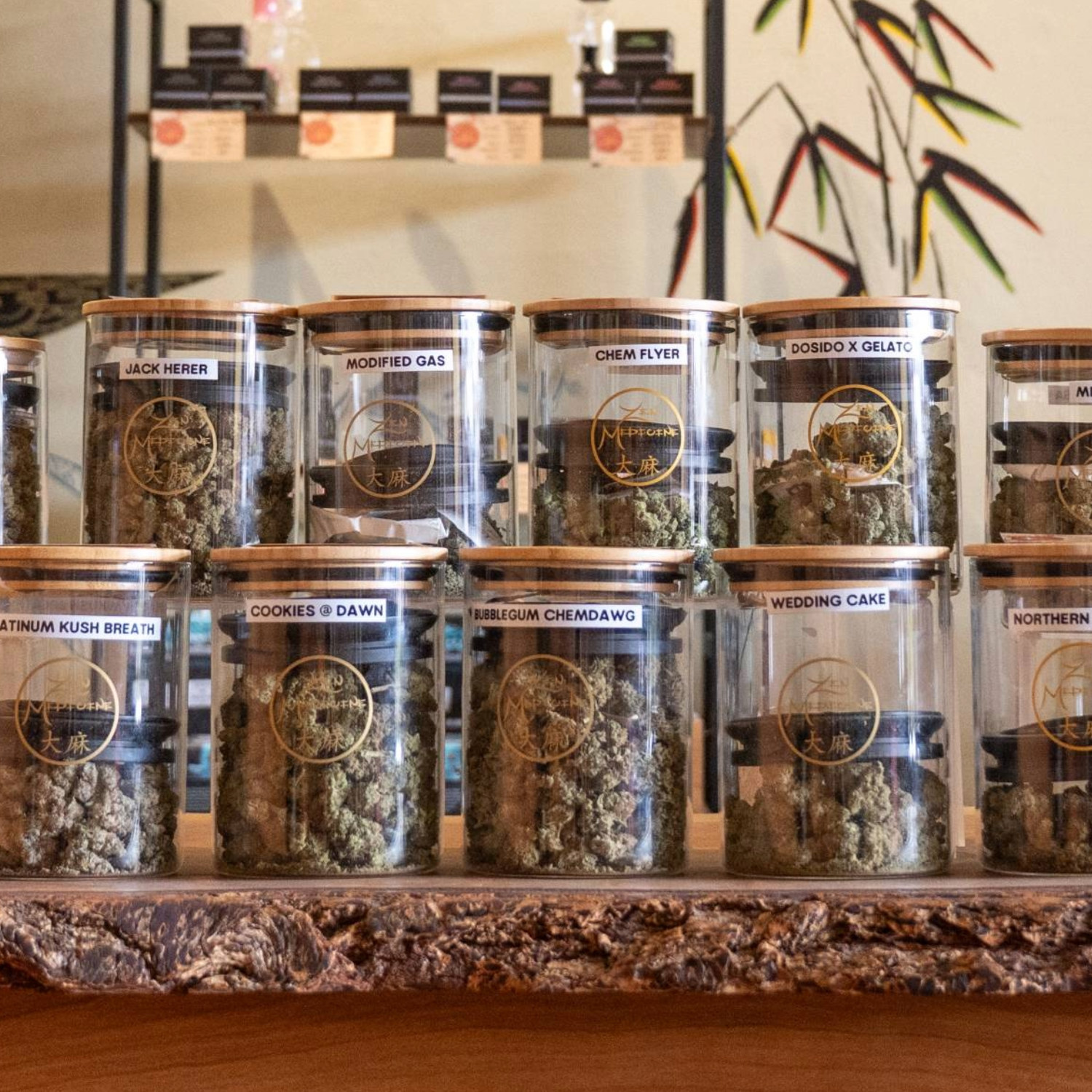
Historically, storage solutions were fairly basic: mason jars, plastic bags, and even repurposed containers. These methods offer limited protection against the elements that degrade cannabis – light, air, and humidity. While better than nothing, they fall short of what’s needed to truly preserve quality over time. We’re entering an era where consumers demand smarter, more reliable solutions.
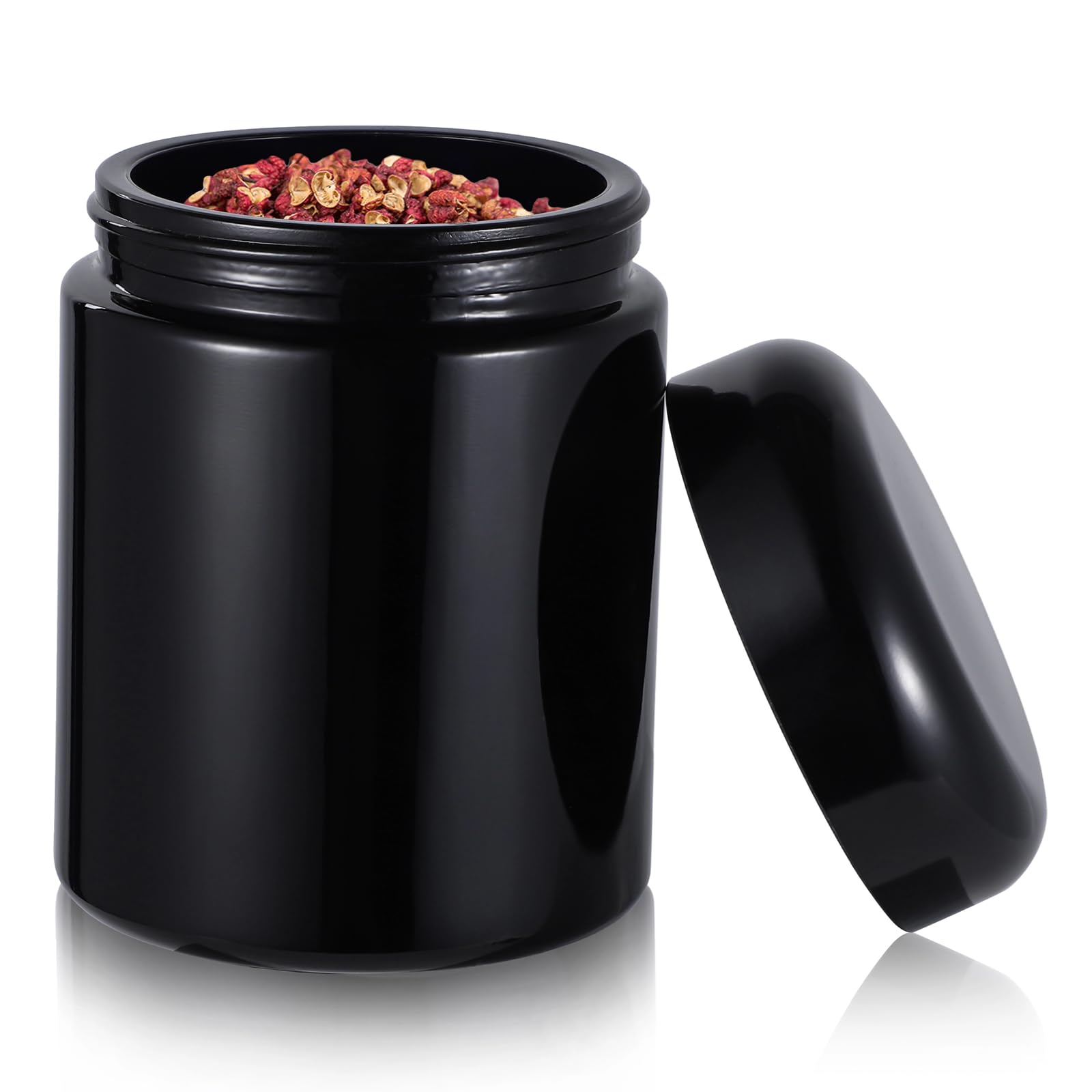
How UV light destroys cannabinoids
UV light is arguably the most significant enemy of cannabis preservation. The wavelengths within the ultraviolet spectrum – specifically UVB (280-315 nm) and UVA (315-400 nm) – possess enough energy to break the chemical bonds within cannabinoids like THC and CBD. This process, known as photodegradation, doesn’t just reduce potency; it alters the chemical structure of the compounds themselves.
Terpenes, responsible for the distinctive aromas and flavors of cannabis, are even more susceptible to UV damage than cannabinoids. These volatile compounds readily oxidize when exposed to light, leading to a loss of fragrance and a change in the overall profile of the strain. The result is a product that smells and tastes less appealing, and may even have different effects.
While precise degradation rates vary depending on the intensity of the UV exposure and the specific cannabinoid or terpene, studies have demonstrated significant loss even after relatively short periods. Protecting cannabis from all light, and especially UV wavelengths, is therefore paramount. Effective storage isn’t about blocking all light, but specifically filtering out the damaging portions of the spectrum.
Finding the humidity balance
Humidity is just as important as light for keeping flower fresh. Maintaining the correct moisture level is a delicate balance. Too much humidity – generally above 65% relative humidity (RH) – creates an environment conducive to mold and mildew growth, rendering the cannabis unusable. These microorganisms can produce harmful mycotoxins, posing a health risk.
Conversely, insufficient humidity – below 55% RH – can cause cannabis to dry out, becoming brittle and losing its trichomes, the resinous glands containing cannabinoids and terpenes. This leads to a loss of potency and flavor. Properly cured cannabis, typically around 62% RH, maintains optimal moisture content for both short-term and long-term storage.
It’s important to measure relative humidity, not just absolute humidity. Relative humidity reflects the amount of moisture in the air compared to the maximum it can hold at a given temperature. A humidity pack might read 60%, but if the ambient temperature rises, the relative humidity will also increase. Precise monitoring is crucial for consistent preservation.
- Short-term storage (days to weeks): 58-62% RH
- Long-term storage (months to years): 60-65% RH (with active humidity control)
Effects of Humidity on Cannabis Quality
| Relative Humidity (RH) | Cannabis Condition | Terpene Preservation | Mold Risk |
|---|---|---|---|
| <20% RH | Brittle, significant loss of terpenes | Low | Minimal |
| 20-30% RH | Optimal for short-term storage | High | Low |
| 30-40% RH | Acceptable, requires close monitoring | Medium | Slightly Increased |
| 40-50% RH | Increased risk of mold growth | Medium | Moderate |
| >50% RH | High risk of mold and degradation | Low | High |
Illustrative comparison based on the article research brief. Verify current pricing, limits, and product details in the official docs before relying on it.
UV-proof container options
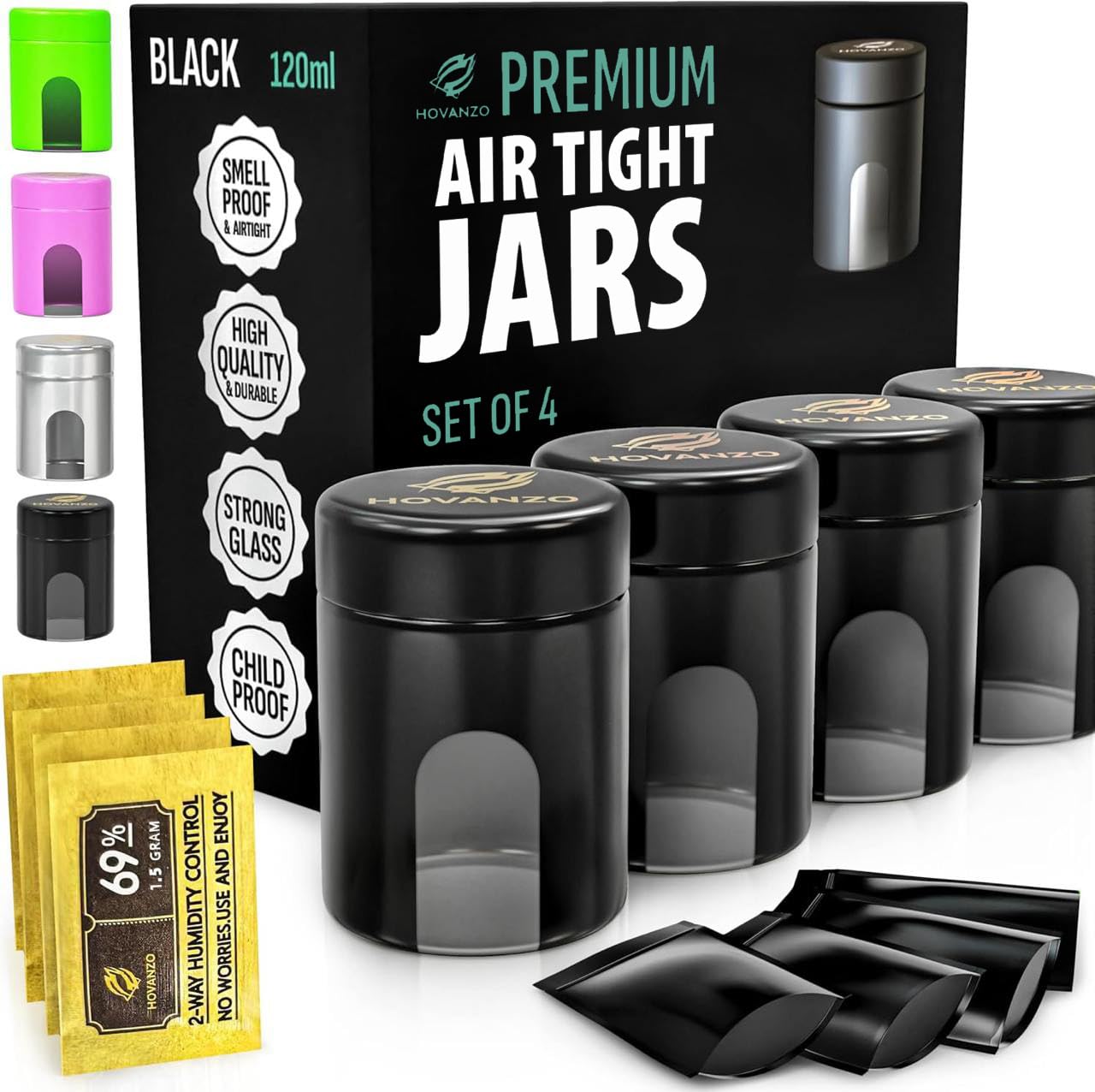
The market for UV-proof cannabis containers is rapidly evolving. Violet glass, often marketed as "amber’ or ‘purple’ glass, is a popular choice. It"s designed to block approximately 98% of UV and infrared light, effectively protecting cannabinoids and terpenes. However, the cost can be higher than clear or amber glass, and transparency is limited.
Mylar bags, particularly those with a foil lining, offer excellent UV protection and are significantly more affordable than glass. They are lightweight and flexible, making them ideal for long-term storage. A potential downside is their susceptibility to punctures and tears, and the lack of rigidity can make handling awkward. Mylar bags are widely available and work well for bulk storage.
Tulip offers storage containers with a focus on both light and airtight protection. Their containers are designed with a sleek aesthetic and utilize a combination of materials to minimize light exposure. The effectiveness of these containers is tied to the quality of the seal and the opacity of the material. Independent testing data on UV blocking performance is somewhat limited, but user reviews generally report positive results.
The effectiveness of any UV-proof container ultimately depends on the quality of the materials and the integrity of the seal. A container that allows even a small amount of light to enter can compromise the preservation process. Look for products that explicitly state their UV blocking capabilities and ideally, have been independently tested.
Beyond humidity packs
While 2-way humidity packs, like those offered by Boveda, have been a staple for cannabis preservation, more advanced systems are emerging. These systems move beyond simply adding or removing moisture to actively regulating the humidity within the storage container. Electronic humidity control devices utilize desiccant materials and sensors to maintain a precise RH level.
Integrated humidity sensors provide real-time monitoring of the environment within the container. These sensors can be paired with smartphone apps, allowing users to track humidity levels remotely and receive alerts if conditions fall outside the optimal range. This level of precision is particularly valuable for long-term storage and preserving valuable strains.
Active humidity regulation systems go a step further, automatically adjusting the humidity level based on sensor readings. These systems typically involve a small compressor or desiccant wheel that adds or removes moisture as needed. While more expensive, they offer unparalleled control and stability. Power consumption is generally low, but needs to be considered for extended off-grid storage.
The cost of these advanced systems can range from $50 for a basic sensor and app combination to several hundred dollars for a fully automated humidity control unit. The investment is justified for consumers who prioritize long-term preservation and are willing to pay for peace of mind.
- Boveda packs are cheap and work for most jars.
- Humidity Sensors: Real-time monitoring, alerts.
- Electronic Humidity Control Devices: Precise regulation, moderate cost.
- Active Humidity Regulation Systems: Automated control, highest cost.
Picking the right material
Choosing the right container material depends on your specific needs and budget. Each material offers a unique set of advantages and disadvantages. Here’s a comparison of some common options to help you make an informed decision.
Glass, in its various forms, is a popular choice. Clear glass offers visibility but provides no UV protection. Amber glass filters out some UV light, while violet glass offers the highest level of protection. Glass is durable and reusable but can be fragile and heavy. Plastic containers, such as polypropylene and HDPE, are lightweight and affordable but offer limited UV protection and can leach chemicals over time.
Metal containers, like stainless steel and aluminum, are durable and airtight but can be expensive and may not be suitable for long-term storage due to potential reactivity with cannabis compounds. Mylar bags offer excellent UV protection and are lightweight and affordable, but they are less durable than glass or metal and can be difficult to handle.
- Glass (Clear): Low cost, visibility, no UV protection, fragile.
- Glass (Amber): Moderate cost, some UV protection, durable, heavier than plastic.
- Violet glass costs more but blocks the most light while remaining durable.
- Plastic (PP/HDPE): Low cost, lightweight, limited UV protection, potential for leaching.
- Metal (Stainless Steel/Aluminum): High cost, durable, airtight, potential reactivity.
- Mylar: Low cost, excellent UV protection, lightweight, less durable.
Storage System Components
- PuffCuff Storage Containers - Airtight, UV-blocking containers with various sizes suitable for short-to-medium term storage. Constructed from polypropylene.
- Cannabis Container by Tightvac - Vacuum-sealable containers designed to remove excess oxygen and maintain freshness. Available in multiple capacities.
- Boveda Humidity Control Packs - Two-way humidity control packs utilizing natural brine to maintain a consistent relative humidity (RH) level within a sealed container. Available in various RH percentages (e.g., 55%, 62%).
- Integra Boost Humidity Control Packs - Similar to Boveda, Integra Boost utilizes a proprietary salt hydrate formula for two-way humidity control. Offered in different sizes and humidity levels.
- Airscape Cannabis Storage Jars - Stainless steel jars with a patented locking mechanism to create an airtight and light-proof environment. Available in multiple sizes.
- Stink Sack Smell Proof Bags - Reusable, activated carbon lined bags designed to contain odors and provide a degree of light protection. Useful for discrete transport and temporary storage.
- Opus NV Small Storage Container - Durable, impact-resistant container with a silicone seal. Designed for portability and protection against physical damage.
- 710 Labs Pop Top Jars - Glass jars with a secure, airtight pop-top lid. Often used for concentrates but suitable for flower storage, particularly in conjunction with humidity control packs.
No comments yet. Be the first to share your thoughts!