
The 2026 Rolling Paper Landscape: A Shift in Materials
The rolling paper market in 2026 is defined by a growing consumer awareness and a demand for more sustainable options. Historically, rolling papers were made from flax and hemp, materials valued for their natural properties. Over the last two decades, however, rice and wood pulp have gained significant traction, driven largely by affordability and manufacturing scalability. This isn’t necessarily a negative development, but it does signal a change in the priorities of both manufacturers and consumers.
Today, we’re seeing a resurgence of interest in hemp, fueled by its environmental benefits and the increasing popularity of eco-conscious consumption. This 'state of the union' for rolling papers reveals a market that’s becoming more diverse, with a wider range of materials and options available than ever before. It’s important to acknowledge that preference is subjective – some smokers prioritize a slow burn, others a neutral taste, and still others the thinnest possible paper.
Throughout this article, we’ll be evaluating rolling papers based on measurable qualities like burn rate, texture, and transparency, as well as considering factors like sustainability and the presence of additives. We'll explore the strengths and weaknesses of each material—hemp, rice, and wood pulp—and highlight the brands leading the charge in innovation and quality. Ultimately, the best rolling paper is the one that best suits your individual needs and preferences.
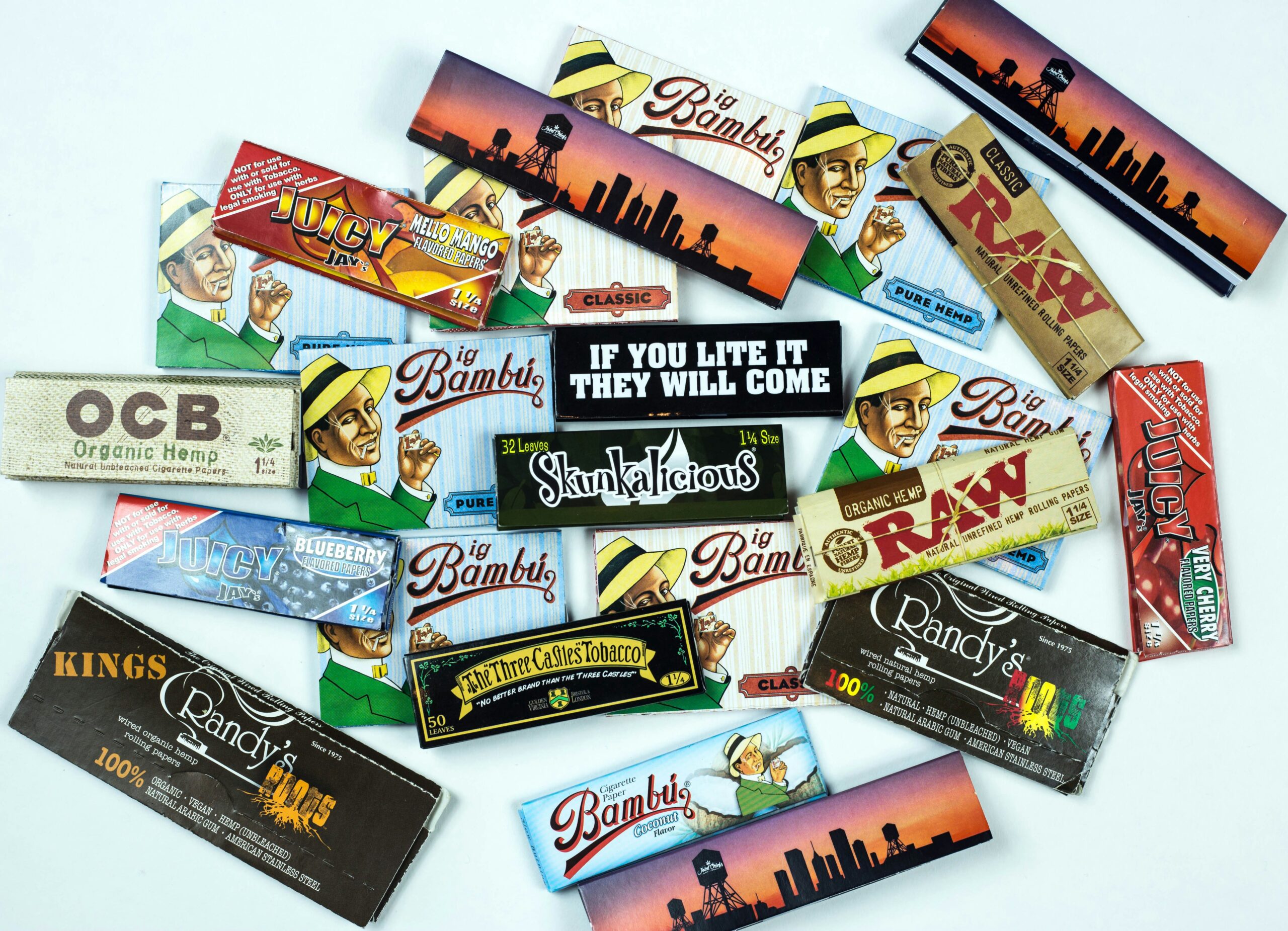
Hemp Rolling Papers: The Eco-Conscious Choice
Hemp rolling papers are quickly becoming the go-to option for environmentally conscious smokers. Hemp is a remarkably sustainable crop; it requires minimal water and pesticides, grows quickly, and even enriches the soil. This makes it a far more responsible choice than wood pulp, which contributes to deforestation. Beyond sustainability, hemp papers offer a unique smoking experience.
The texture of hemp papers is generally described as slightly coarser than rice or wood pulp, providing a good grip for rolling. They typically burn at a moderate rate, allowing for a consistent and enjoyable smoke. Raw is arguably the most recognizable name in hemp rolling papers, offering a wide variety of weights and sizes. Elements also stands out, known for its ultra-thin hemp papers and magnetic closures.
Different weights of hemp papers cater to different preferences. Lighter weight papers (around 15-20 gsm) offer a more discreet and flavorful experience, while heavier weights (around 30-40 gsm) are more durable and less prone to tearing. Several brands are innovating within the hemp space. For example, Green Go utilizes organic hemp and water-based gum, and Roll Your Own has begun blending hemp with other natural fibers to enhance burn quality.
I’ve personally found that hemp papers, particularly those from Raw and Elements, provide a clean and flavorful smoke without a noticeable impact on the taste of the herb. The slight texture can take some getting used to, but many smokers appreciate the added grip it provides during rolling.
Rice Rolling Papers: Thin, Smooth, and Traditional
Rice rolling papers are prized for their ultra-thin construction and smooth burn. Originating in Asia, particularly Vietnam, rice papers have a long history of use and are traditionally favored by those who want minimal interference with the flavor of their herb. Their thinness allows for a very subtle smoking experience, almost as if you’re smoking nothing but the herb itself.
The key benefit of rice papers is their transparency and minimal taste. This makes them ideal for appreciating the nuances of different strains. However, their thinness also makes them more delicate and prone to tearing, particularly for inexperienced rollers. Elements is a leading brand in this category, offering incredibly thin yet surprisingly durable rice papers.
Bambu is another well-respected name, known for its commitment to using natural materials and sustainable practices. I’m curious about the specific processing techniques used to create these ultra-thin papers; different methods could significantly impact the final product’s texture and burn quality. While publicly available information is limited, it’s clear that meticulous attention to detail is crucial.
A notable characteristic of rice papers is their quick burn rate, which some enjoy and others find requires a more deliberate pace. They are generally more expensive than wood pulp papers but remain competitive with high-quality hemp options.
- Elements: Known for ultra-thin and durable rice papers.
- Bambu: Focuses on natural materials and sustainability.
- Massey Ferguson: Offers a unique, almost transparent rice paper experience.
Rolling Paper Comparison: Hemp vs. Rice vs. Wood Pulp (2026)
| Burn Rate | Flavor Impact | Texture | Transparency | Environmental Impact |
|---|---|---|---|---|
| Generally Slow & Even | Subtle, allows cannabis flavor to dominate | Slightly Coarse, yet natural feeling | Opaque | Generally considered sustainable, utilizes a quickly renewable resource |
| Moderate & Consistent | Minimal, nearly flavorless | Very Smooth, delicate | Translucent | Rice is a renewable resource, but water usage in rice cultivation can be a concern. |
| Variable, can canoe | Pronounced, papery taste can interfere with cannabis flavor | Rough, can be brittle | Opaque | Potential deforestation concerns depending on sourcing; often requires bleaching. |
| Slow and cool burning | Mild, doesn't significantly alter taste | Smooth | Semi-Transparent | Hemp cultivation requires minimal pesticides and herbicides. |
Illustrative comparison based on the article research brief. Verify current pricing, limits, and product details in the official docs before relying on it.
Wood Pulp Rolling Papers: Budget-Friendly and Widely Available
Wood pulp rolling papers represent the most affordable and readily available option on the market. Brands like OCB and Zig-Zag have been staples in the smoking world for decades, largely due to their low cost and widespread distribution. However, this affordability comes with some trade-offs.
Wood pulp papers tend to have a more noticeable flavor than hemp or rice papers. This flavor can sometimes detract from the taste of the herb, particularly for those with discerning palates. The quality of wood pulp papers can also vary significantly. Cheaper options often contain additives and bleaching agents, which can be harmful to inhale.
Concerns about bleaching and additives are valid. Many wood pulp papers are bleached to achieve a white color, and some contain chemicals to improve burn or gum adhesion. While manufacturers are increasingly offering unbleached options, it’s important to read the label carefully. I personally find the flavor impact of most wood pulp papers to be too strong, but they can be a practical choice for infrequent smokers or those on a tight budget.
Despite their drawbacks, wood pulp papers remain popular due to their convenience and affordability. OCB Slim Tips, for example, are a ubiquitous accessory for smokers of all levels.
Brand Spotlight: Top Performers in 2026
Ranking the top rolling paper brands is a complex task, as individual preferences play a significant role. However, based on a combination of quality, sustainability, and user reviews, here’s my assessment of the leading performers in 2026. This isn’t a definitive list, but it reflects the current landscape.
1. Raw: Continues to dominate the market with its focus on organic hemp and consistent quality. Their Classic and Organic lines are particularly popular. 2. Elements: Known for its ultra-thin rice and hemp papers, as well as its innovative magnetic closures. A clear competitor to Raw. 3. Bambu: A strong contender in the rice paper category, praised for its commitment to natural materials and smooth burn.
4. OCB: Remains a reliable choice for wood pulp papers, offering a wide range of options at affordable prices. Their Slim and Organic lines are notable improvements over traditional offerings. 5. Green Go: A rising star in the hemp space, dedicated to sustainable practices and high-quality materials. 6. Roll Your Own: A brand pushing boundaries with its hemp blends and commitment to innovation. 7. Zig-Zag: Still a recognizable name, though increasingly facing competition from newer, more sustainable brands.
It’s important to note that these rankings are based on current trends and may shift as new brands emerge and consumer preferences evolve. All of these brands offer a range of papers to suit different needs and budgets.
Content is being updated. Check back soon.
Beyond the Material: Additives, Gum, and Bleaching
The material of the rolling paper isn’t the only factor influencing the smoking experience. Additives, gum type, and bleaching processes all play a crucial role. Many traditional papers contain calcium carbonate or other fillers to improve burn or texture. However, these additives can release harmful chemicals when burned.
The type of gum used to seal the paper is also important. Arabic gum is the most common choice, derived from the acacia tree. However, some manufacturers are now using flax gum, which is a more natural and sustainable alternative. Flax gum is also less likely to affect the flavor of the herb.
Bleaching processes can significantly impact the health risks associated with rolling papers. Unbleached papers are always the safest option, as they avoid the use of chlorine or other harsh chemicals. Look for papers labeled "unbleached’ or ‘brown’ to ensure you"re avoiding these potentially harmful substances. The presence of these additives can be difficult to discern without careful label reading.
Rolling Paper Innovations: Flavored, Unbleached, and Beyond
The rolling paper industry is constantly evolving, with brands experimenting with new materials and designs. Flavored rolling papers, while controversial, remain popular among some smokers. These papers are infused with various flavors, ranging from fruit to dessert. However, it’s important to note that the artificial flavorings used in these papers may not be safe to inhale.
Unbleached options are becoming increasingly prevalent, reflecting a growing consumer demand for natural and sustainable products. Brands are also exploring new materials, such as seaweed and plant-based cellulose, as potential alternatives to traditional options. I’m particularly interested in seeing if any significant progress is made with fully biodegradable rolling papers in the near future.
Some brands are also incorporating innovative designs, such as pre-rolled cones and papers with unique patterns or textures. These innovations may not necessarily improve the smoking experience, but they can add a touch of personalization and style.
Choosing the Right Paper: A Quick Guide
Selecting the right rolling paper depends on your individual preferences and priorities. If you’re concerned about sustainability, hemp papers are the clear choice. If you prioritize a smooth, discreet experience, rice papers are a good option. And if you’re on a budget, wood pulp papers can get the job done. Consider your smoking frequency, flavor preferences, and environmental concerns when making your decision.



No comments yet. Be the first to share your thoughts!