
Borosilicate vs. scientific glass
When you're looking at a new bong, you’ll quickly encounter terms like 'borosilicate glass' and 'scientific glass.' It’s easy to get lost in the terminology! Both are commonly used in high-quality water pipes, but they aren't exactly the same. Borosilicate glass is a type of glass known for its resistance to thermal shock – basically, it doesn't crack as easily when exposed to sudden temperature changes. It’s made by adding boron trioxide to the silica glass mixture.
Scientific glass isn't a specific type of glass, but rather a category encompassing bongs made with very precise manufacturing techniques. These bongs are often, though not always, made from borosilicate. The focus is on achieving consistent wall thickness, clean joints, and overall precision in the design. You’ll see this in the complexity of percolators and the smoothness of the glass. It’s about the craftsmanship as much as the material.
Think of it this way: all scientific glass bongs can be made of borosilicate, but not all borosilicate bongs qualify as scientific glass. The latter implies a higher level of engineering and attention to detail. While both are vastly superior to cheaper soda-lime glass bongs, understanding the difference can help you make an informed decision.
Durability and heat resistance
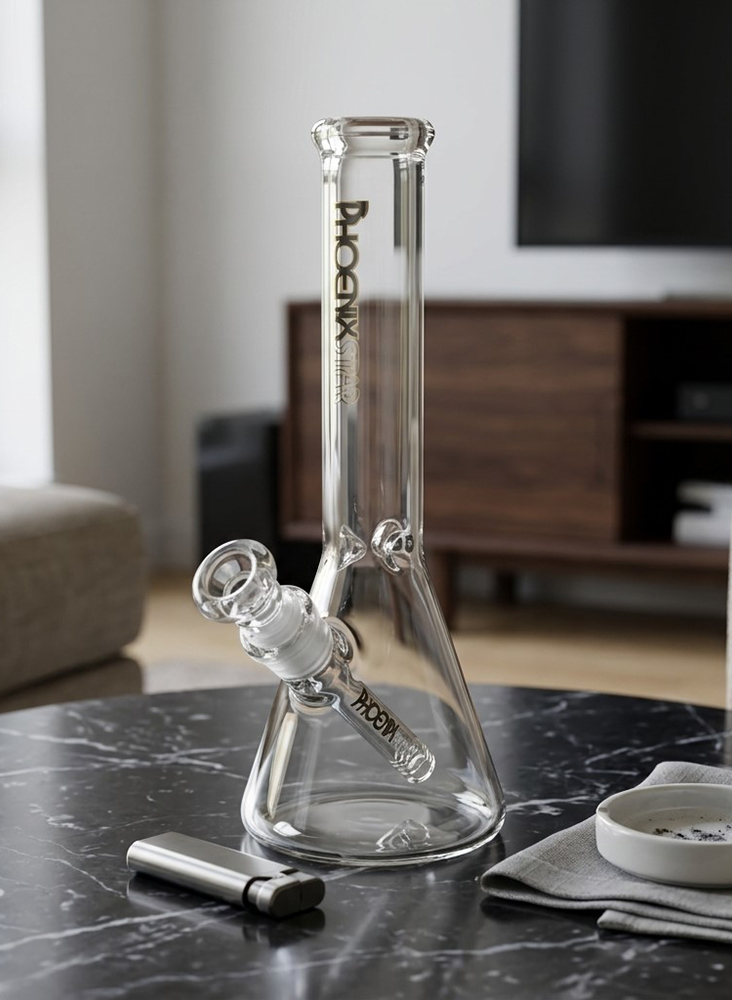
Let’s talk toughness. Borosilicate glass generally has good durability, and its resistance to thermal shock is a major plus. You can fill a borosilicate bong with hot water and immediately follow it with ice water without worrying about it shattering – though I don't recommend intentionally testing this! This is particularly useful for those who prefer hot water cleaning methods.
Scientific glass, because of its precise manufacturing, is often thinner than standard borosilicate. This can seem like a weakness, but the consistent wall thickness means the stress is distributed more evenly. A flaw in manufacturing, like a weak point in the glass, is more likely to cause a break than the material itself. It’s worth noting that thicker glass is always more durable, regardless of the type.
I've noticed some borosilicate blends chip at the mouthpiece, whereas scientific glass usually has smoother finishes that resist daily wear. Ultimately, a clumsy hand is the biggest threat to any glass piece. You can find various thicknesses at retailers like Grasscity.
Ultimately, durability comes down to a combination of material quality, manufacturing process, and user care. Look for bongs with consistent glass thickness and smooth, polished edges to minimize weak points.
- Borosilicate handles thermal shock better than other glass types.
- Impact Resistance: Thicker glass is always better, regardless of type.
- Manufacturing Flaws: A key factor in breakage for both types.
Borosilicate vs. Scientific Glass: Performance Comparison (2026)
| Characteristic | Borosilicate Glass | Scientific Glass | Notes |
|---|---|---|---|
| Thermal Shock Resistance 🌡️ | Excellent | Good | Borosilicate generally exhibits superior resistance to cracking when exposed to rapid temperature changes. Scientific glass, while still durable, can be more prone to stress fractures with extreme shifts. |
| Impact Resistance 💪 | Good | Fair | Both are susceptible to breakage, but borosilicate tends to be *slightly* more forgiving of minor impacts due to its composition. Scientific glass is often thinner-walled, increasing fragility. |
| Scratch Resistance ✨ | Fair | Fair | Neither glass type is particularly scratch-resistant. Both will show wear and tear over time with regular use and cleaning. Gentle handling is key. |
| Susceptibility to Manufacturing Flaws 🔎 | Good | Excellent | Scientific glass, due to the tighter quality control often employed in its production (particularly for lab-grade equipment), generally has fewer inherent flaws like bubbles or inconsistencies. Borosilicate can sometimes have minor imperfections. |
| Chemical Resistance 🧪 | Excellent | Excellent | Both borosilicate and scientific glass demonstrate high resistance to chemicals commonly encountered during cannabis consumption and cleaning. |
| Clarity & Visual Appeal 👁️ | Good | Excellent | Scientific glass is often prized for its exceptional clarity and lack of color distortion, allowing for optimal viewing of the smoking process. Borosilicate can sometimes have a slight green or blue tint depending on the specific formulation. |
| Cost 💰 | Good | Fair | Generally, borosilicate glass bongs are more readily available and often more affordable than those made with high-grade scientific glass. |
| Repairability 🛠️ | Fair | Fair | Repairing either type of glass requires skilled glassblowing. The feasibility and cost depend on the extent of the damage and the availability of a qualified artisan. |
Illustrative comparison based on the article research brief. Verify current pricing, limits, and product details in the official docs before relying on it.
Flavor and airflow
Does the glass itself affect the flavor of your smoke? It’s a surprisingly debated topic. Generally, both borosilicate and scientific glass are non-porous, meaning they shouldn't retain flavors or odors. However, lower-quality glass might have microscopic imperfections that can harbor residue and potentially impact taste over time.
Airflow is where glass type and design really intersect. Thinner scientific glass can sometimes offer a more open draw, but this also depends heavily on the perc design. A complex percolator, regardless of the glass, will always create more resistance. The diameter of the downstem and the size of the airway also play significant roles.
The percolator determines how well the smoke filters and cools. Whether it's a borosilicate tree perc or a scientific honeycomb, the design dictates the resistance. Sites like Rolling Stone and Gear Patrol often feature these different configurations.
Cleaning and maintenance
Bongs get resinous. Both glass types are easy to clean, but borosilicate is robust enough for aggressive scrubbing. Scientific glass has thinner walls and needs a gentler touch.
I've found that a combination of isopropyl alcohol and coarse salt works wonders for both types. For stubborn residue, warming the alcohol slightly (be careful!) can help loosen things up. Avoid abrasive cleaners, as they can scratch the glass. Regular cleaning is key to maintaining optimal flavor and airflow.
One thing I’ve noticed is that scientific glass can show water spots more easily than borosilicate. This is purely cosmetic, but it’s something to keep in mind if you prefer a pristine look. A quick wipe-down with a microfiber cloth after cleaning usually does the trick.
- Isopropyl Alcohol & Salt: My go-to cleaning method.
- Gentle Scrubbing: Essential for scientific glass.
- Avoid Abrasives: Protects the glass surface.
The 2026 lineup
Alright, let's get to the good stuff. Here's a selection of bongs available as of late 2026, representing a range of prices and features. Prices are approximate and can vary by retailer.
Borosilicate Bongs:
1. Hammerhead Glass 'The Hammer' Beaker Bong ($150-200): A classic beaker design known for its stability and smooth draw. Available at Grasscity.com.
2. Eyecatcher Perc Bong ($100-150): Offers a good balance of price and performance with a solid perc system. Found on multiple retailers.
3. PHX Quartz Beaker Bong ($250-350): A step up in quality with thicker glass and more intricate perc designs.
4. Red Eye Glass Beaker Bong ($80-120): A budget-friendly option that still delivers a decent smoking experience.
Scientific Glass Bongs:
5. Grav Labs Sherlock Beaker Bong ($300-400): A popular choice known for its precision engineering and smooth airflow. Available at Gravlabs.com.
6. Highsman 'The Hammer' Perc Bong ($200-300): A sleek and modern design with excellent filtration. Featured on Gearpatrol.com.
7. Daily High Club 'Meteor' Bong ($180-250): A unique design with a focus on visual appeal and functionality. Available at Dailyhighclub.com.
8. Mothership Glass Beaker Bong (Starting at $500+): High-end, artist-blown pieces known for their exceptional quality and intricate designs. Often featured on Rollingstone.com.
9. Chill Glassworks Honeycomb Perc Bong ($220-280): Excellent filtration and a comfortable mouthpiece. Available on Smoke Cartel.
10. Session Goods Classic Bong ($120-180): A minimalist design with a focus on simplicity and ease of use.
Featured Products

Durable 10-inch heavy glass construction · Includes a 14mm bowl for your preferred dry herbs · Designed for smooth water filtration
This classic beaker bong offers a solid and reliable borosilicate glass option for your performance test.
Durable 10-inch heavy glass construction · Includes a 14mm bowl for your preferred dry herbs · Designed for smooth water filtration
This classic beaker bong offers a solid and reliable borosilicate glass option for your performance test.
Durable 10-inch heavy glass construction · Includes a 14mm bowl for your preferred dry herbs · Designed for smooth water filtration
This classic beaker bong offers a solid and reliable borosilicate glass option for your performance test.
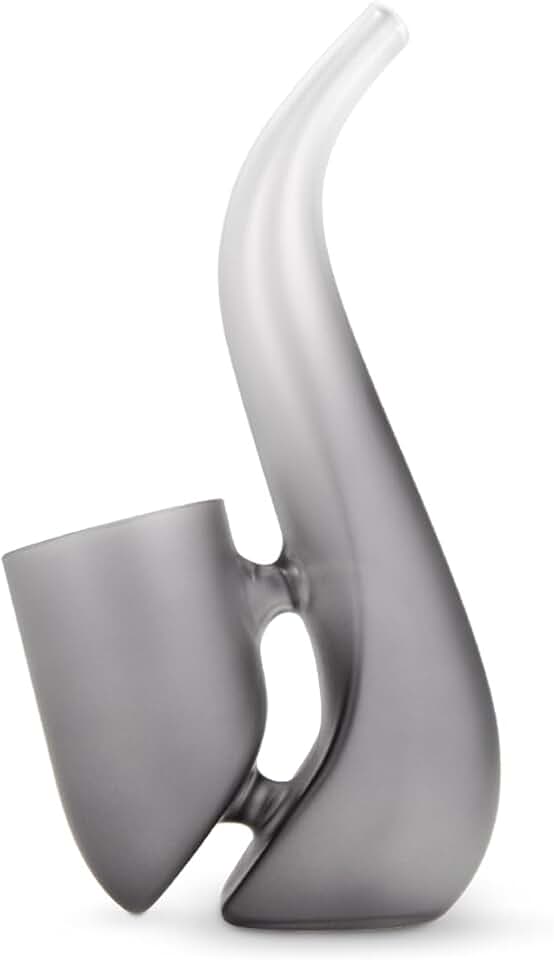
Specifically designed for the Puffco Proxy · Enhances vapor smoothness with water filtration · Durable construction for longevity
This water attachment is a scientific glass upgrade designed to significantly improve the performance of your Puffco Proxy.
Durable 10-inch heavy glass construction · Includes a 14mm bowl for your preferred dry herbs · Designed for smooth water filtration
This classic beaker bong offers a solid and reliable borosilicate glass option for your performance test.
As an Amazon Associate I earn from qualifying purchases. Prices may vary.
Is premium glass worth the cost?
The price range for glass bongs is huge, from under $100 to well over $500. Is a more expensive scientific glass bong worth the investment? It depends. If you prioritize precision engineering, consistent performance, and a visually stunning piece, then the extra cost can be justified.
However, a well-made borosilicate bong can still deliver an excellent smoking experience at a much lower price point. Don't automatically assume that the most expensive option is the best. Consider your budget, your priorities, and your smoking habits.
Ultimately, the best bong is the one that you enjoy using and that meets your needs. Don't be afraid to start with a more affordable option and upgrade later if you decide you want to invest in a higher-end piece.
- Borosilicate (Under $200): Great value for money, good durability.
- Scientific Glass ($200-$500+): Precision engineering, premium materials, often visually striking.
- Consider your priorities: Performance, aesthetics, budget.
No comments yet. Be the first to share your thoughts!