
Rolling Paper Evolution: A Quick Look
For a long time, people rolled with whatever nature provided. Early cannabis users, and smokers in general, relied on leaves – corn husks, plantain leaves, even birch bark. It wasn’t pretty, and it certainly wasn’t consistent. The real shift came in the mid-19th century with the introduction of the first commercially produced rolling papers in France. These were initially made from flax, and they offered a cleaner, more convenient experience.
The 20th century saw experimentation with different materials. Wood pulp became common, offering affordability and mass production. But as cannabis culture evolved, so did the demand for better quality and more natural options. The late 20th and early 21st century brought us the rise of rice and hemp papers, each offering distinct characteristics. Now, in 2026, we’re seeing a real focus on refinement, with ultra-thin options and a growing awareness of sustainability.
The modern rolling paper landscape is diverse. You can find papers bleached white, naturally unbleached, flavored, and even infused with different materials. The choices can be overwhelming, which is why understanding the core materials – hemp, rice, and ultra-thin – is key to finding the right paper for your session. It's not just about wrapping cannabis; it's about enhancing the experience.
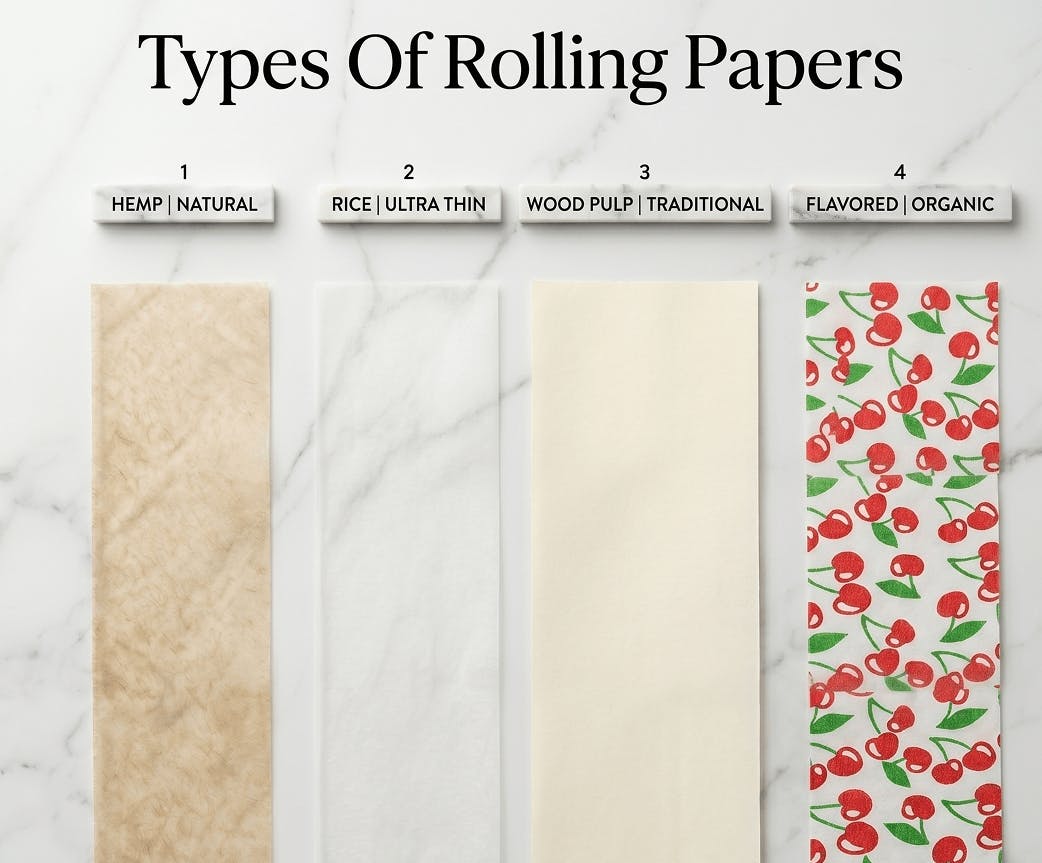
Hemp Papers: The Eco-Conscious Choice
Hemp rolling papers have gained significant traction in recent years, and for good reason. Hemp is a remarkably sustainable crop. It requires significantly less water than cotton, doesn’t need pesticides, and grows quickly, making it a more environmentally friendly alternative to traditional wood pulp or even rice. That’s a big plus for the eco-conscious smoker.
The feel of hemp paper is generally a little thicker and more textured than rice or ultra-thin papers. This can be a positive for some, offering a more substantial feel. Burn rate is usually moderate – not the fastest, but not slow enough to be frustrating. Flavor-wise, hemp papers often impart a subtle, earthy taste that some enjoy, while others might find it interferes with the cannabis’s natural flavors. It really depends on your preference.
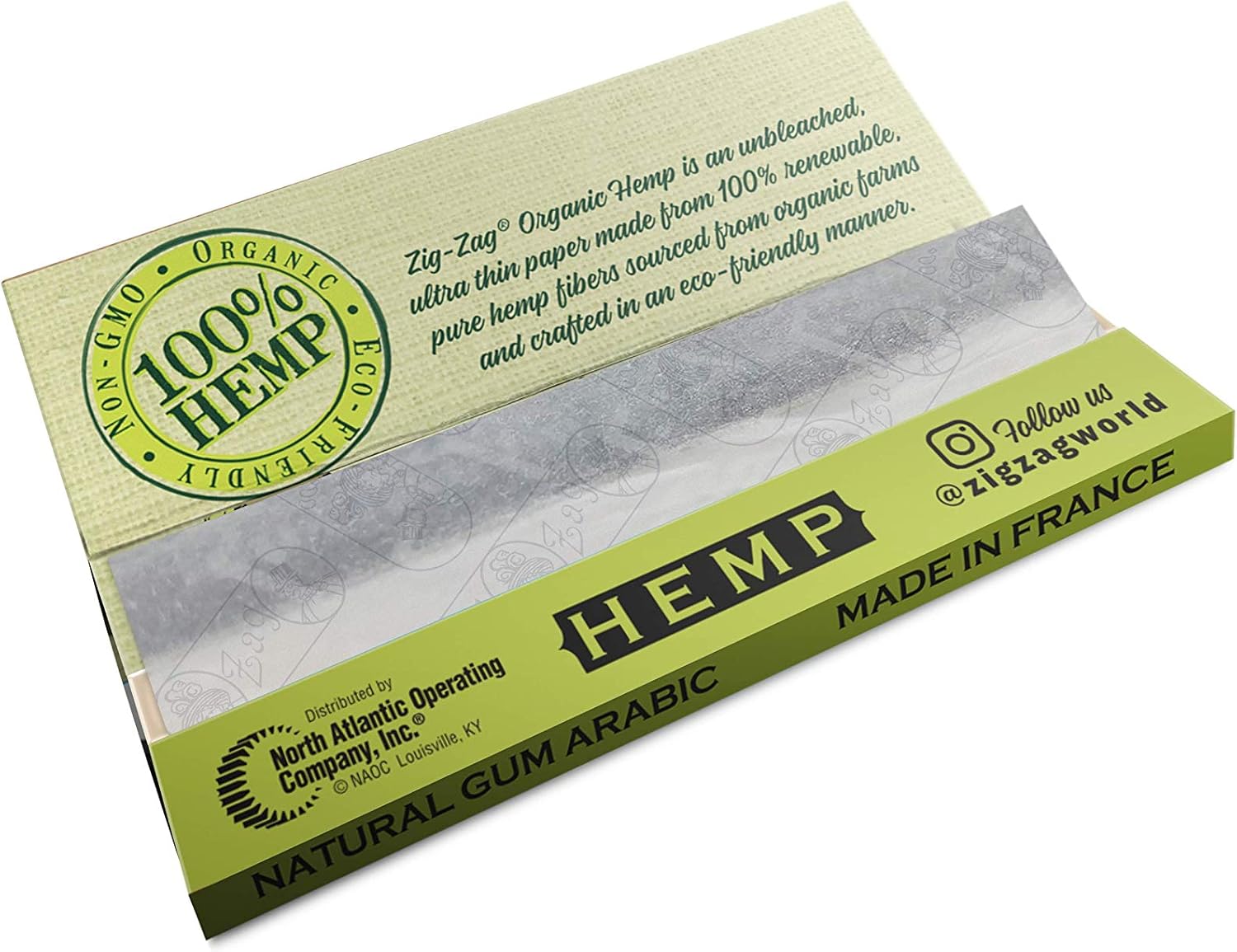
Several brands are leading the way in hemp paper innovation. Raw is a consistent standout, known for its unbleached options and commitment to sustainability. Elements also offers popular hemp papers with a focus on even burning. Zig-Zag now has a robust hemp line as well, responding to consumer demand. Interestingly, a study from pmc.ncbi.nlm.nih.gov analyzing the elemental composition of rolling papers showed that hemp papers generally have higher levels of potassium compared to other materials. While the implications of this aren’t fully understood, it highlights the distinct chemical makeup of hemp.
The texture of hemp can also be a factor. Some papers are noticeably rougher than others, and this can impact how easily they fold and roll. Experimenting with different brands is the best way to find a hemp paper that suits your rolling style. Don’t be afraid to try a few different options before settling on your favorite. It’s a personal choice, after all.
- Raw Hemp Papers: Known for unbleached options and sustainability.
- Elements Hemp Papers: Focus on even burning and quality materials.
- Zig-Zag Hemp Papers: Widely available and a good entry point for hemp papers.
Rice Papers: Tradition and Transparency
Rice rolling papers have a long history, particularly in Asian cultures. Traditionally made in Japan and Vietnam, these papers are prized for their thinness and near-transparency. This is achieved through a meticulous manufacturing process that involves creating very thin sheets from rice flour and starch. The result is a paper that’s almost tasteless and burns cleanly.
Because they’re so thin, rice papers offer minimal interference with the flavor of your cannabis. This is a huge draw for purists who want to experience the full profile of their strain. However, this thinness also means they can be a little more delicate to work with. They require a gentle touch and a bit of practice to roll effectively.
There are subtle differences between Japanese and Vietnamese rice papers. Japanese papers, like those from OCB, are often slightly thicker and more durable. Vietnamese papers, such as those from Elephant, tend to be even thinner and more fragile. Both offer a very clean burning experience, though. They're a good choice if you want to prioritize the taste of your flower.
The flavor profile is where rice papers truly shine. They add virtually nothing to the taste, allowing the cannabis to be the star of the show. That makes them a favorite among those who want a pure, unadulterated smoking experience. If you're new to rice papers, start with a slightly thicker variety to get a feel for the material before moving on to the ultra-thin options.
Featured Products

100% natural hemp paper · Unbleached and chlorine-free · Watermarked for even burn
RAW Classic is a go-to for many smokers due to its natural hemp composition and consistent, slow burn that lets your herb shine through.

Ultra-thin rice paper · Translucent appearance · Burns clean with no taste
Elements rolling papers are a favorite for their incredibly thin rice paper that burns almost invisibly, ensuring a pure flavor experience.

Premium quality paper · Includes tips · King Slim dimensions
OCB Premium offers a sophisticated smoking experience with their high-quality, slow-burning paper and the convenience of included tips.
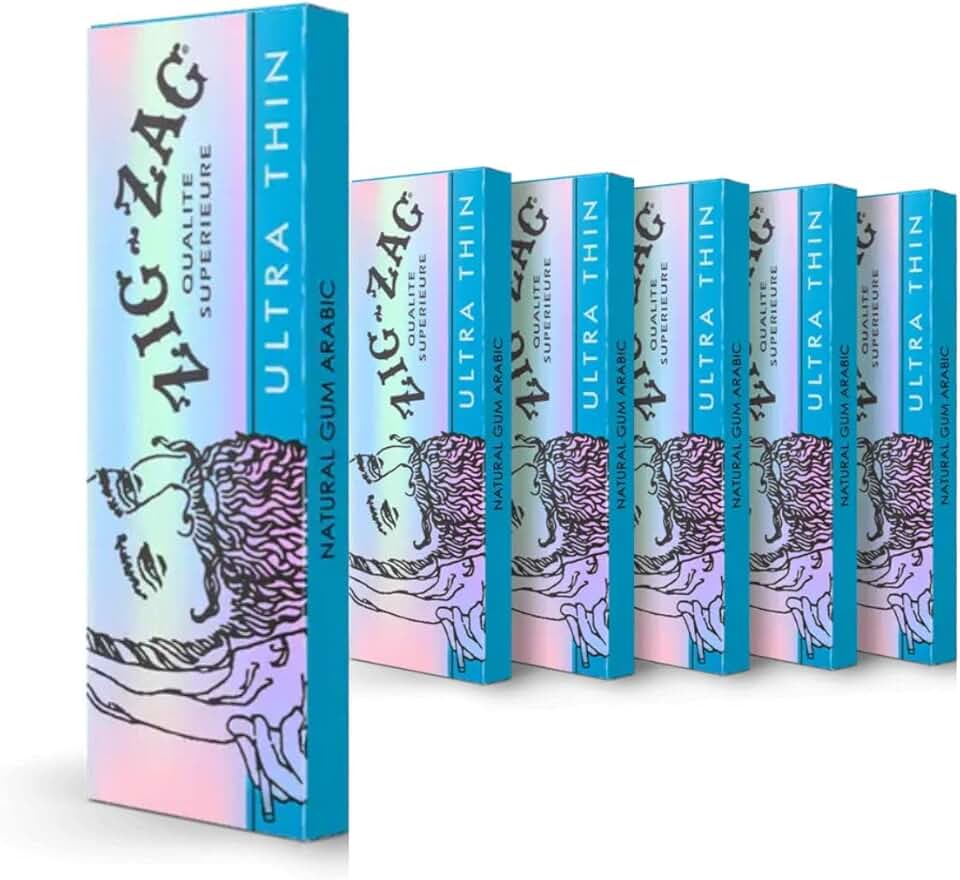
Ultra-thin paper · Slow burning · 1 ¼ size
ZIG-ZAG's ultra-thin papers are known for their slow burn, providing a smooth and controlled smoking session for a classic roll.

Handheld rolling machine · Pocket-sized · Accommodates 79mm papers
For those who prefer a perfectly rolled cigarette every time, Randy's handheld rollers offer a convenient and consistent solution.
As an Amazon Associate I earn from qualifying purchases. Prices may vary.
Ultra-Thin Papers: Minimal Impact, Maximum Flavor
Ultra-thin papers are all about subtlety. These papers are designed to be as unobtrusive as possible, offering minimal impact on both the flavor and the burn of your cannabis. They’re typically made from a blend of flax and wood pulp, processed to create an incredibly thin sheet. The goal is to create a paper that you barely notice is there.
The main advantage of ultra-thin papers is their ability to deliver a pure cannabis flavor. They don’t impart any noticeable taste of their own, allowing the terpenes and cannabinoids to shine. However, this thinness comes with a trade-off: they are significantly more prone to tearing than thicker papers. A steady hand and a bit of practice are essential.
Brands like Rizla and Job are well-known for their ultra-thin offerings. These papers are often favored by experienced rollers who prioritize flavor and a smooth burn. They burn quickly, which can be a pro or a con depending on your preference. A faster burn means less paper is consumed, but it also requires a more consistent draw.
While convenient, the thinness can also make them tricky to work with, especially in windy conditions. Keeping a humid pack nearby can help prevent tearing, and practicing your rolling technique is crucial. They aren’t ideal for beginners, but the reward is a clean, flavorful experience for those who master them.
Burn Rate Breakdown: A Comparative Look
Burn rate is a significant factor in the smoking experience. Hemp papers generally burn the slowest, offering a longer session. This is due to their thicker composition and the way they’re processed. Rice papers burn at a moderate pace, providing a balanced experience. Ultra-thin papers burn the fastest, requiring a more consistent draw to avoid canoeing.
Humidity plays a role, regardless of the paper type. Drier papers will burn faster than those with some moisture content. Paper quality also matters. Poorly made papers can burn unevenly or produce harsh smoke. A consistent burn is a sign of a well-made paper.
Anecdotally, experienced smokers often prefer the slower burn of hemp papers for longer sessions, while those seeking a quick hit might opt for ultra-thin papers. Rice papers offer a middle ground, providing a balanced burn without sacrificing flavor. There’s no definitive "best’ burn rate—it"s a matter of personal preference.
It’s also important to consider the density of your cannabis. Fluffier flower will burn faster than tightly packed flower, regardless of the paper you use. Experimenting with different packing techniques can help you fine-tune your burn rate and optimize your smoking experience.
- Hemp: Slowest burn rate, longer sessions.
- Rice: Moderate burn rate, balanced experience.
- Ultra-Thin: Fastest burn rate, quick hits.
Rolling Paper Comparison: Hemp, Rice & Ultra-Thin (2026)
| Paper Type | Burn Rate | Flavor Impact | Tear Resistance | Overall Experience |
|---|---|---|---|---|
| Hemp | Slow | High | High | Hemp papers often impart a subtle, natural flavor to the smoke. The slower burn is ideal for mindful sessions, and they tend to be quite durable, resisting tears during rolling. |
| Rice | Medium | Low | Medium | Rice papers are known for being very thin and nearly tasteless, allowing the cannabis flavor to shine. They burn at a moderate pace, suitable for standard smoking sessions. Tear resistance is moderate – a little more careful rolling is often needed. |
| Ultra-Thin | Fast | Very Low | Low | Ultra-thin papers prioritize discretion and minimal flavor interference. They burn quickly and are best for experienced rollers due to their fragility. Expect a very subtle smoking experience focused on the cannabis itself. |
| Unbleached Hemp | Slow to Medium | Medium-High | High | Similar to standard hemp, but with a more pronounced natural flavor due to the lack of bleaching. They offer excellent durability and a relaxed burn rate. |
| Flax Paper | Medium | Low | Medium-High | Flax papers offer a unique, smooth texture and a neutral taste. They burn evenly and are reasonably resistant to tearing, providing a balanced experience. |
| Wood Pulp (Ultra-Thin) | Fast | Very Low | Low | These are among the thinnest options available, prioritizing minimal impact on flavor. They burn very quickly and require skill to roll without tearing. |
| Organic Hemp | Slow | Medium | High | Made with organically grown hemp, these papers offer a clean taste and a slow, even burn. They are typically thicker and very durable. |
Illustrative comparison based on the article research brief. Verify current pricing, limits, and product details in the official docs before relying on it.
Flavor Profiles: What Does the Paper Add?
The rolling paper isn’t just a vessel; it can actually influence the taste of your cannabis. Hemp papers, as mentioned, often impart a subtle earthy or grassy flavor. Some people enjoy this, finding it complements certain strains, while others find it detracts from the experience. It's a distinct flavor that you'll either appreciate or want to avoid.
Rice papers are renowned for their neutrality. They’re designed to add absolutely nothing to the flavor profile, allowing the cannabis’s terpenes to shine through. This makes them a favorite among connoisseurs who want to experience the full complexity of their flower.
Ultra-thin papers aim for the same level of neutrality as rice papers, but some smokers report a very faint papery taste if they’re particularly sensitive. The impact is minimal, but it’s worth noting. The quality of the paper matters here – cheaper ultra-thin papers are more likely to have a noticeable taste.
Experienced smokers often have strong opinions on this topic. Some swear by hemp papers for their unique flavor, while others insist that rice or ultra-thin papers are the only way to go. Ultimately, the best way to determine which flavor profile you prefer is to experiment with different options and see what works best for you.
Brand Standouts: 2026's Top Picks
Narrowing down the best rolling paper brands in 2026 is tough, given the abundance of options. But a few consistently stand out for their quality, innovation, and value. Here are some brands worth exploring, across all three categories.
Raw (Hemp): Still a dominant force, Raw continues to impress with its commitment to sustainability and quality hemp papers. Their unbleached options are a favorite among eco-conscious smokers, and their consistent burn is a major plus. DankStop.com consistently shows high customer ratings for Raw products.
OCB (Rice): A classic for a reason. OCB rice papers are known for their thinness, transparency, and clean burn. They're a reliable choice for those who prioritize flavor and a smooth smoking experience. They have a wide range of options, from standard to ultra-thin.
Rizla (Ultra-Thin): The go-to for many experienced rollers, Rizla ultra-thin papers deliver a pure cannabis flavor with minimal interference. They’re a bit delicate, but the reward is a truly refined smoking experience. Their Indigo line is particularly popular.
Elements (Hemp/Rice): Elements offers a versatile range of papers, including both hemp and rice options. Their papers are known for their even burning and smooth draw. They also offer innovative features like magnetic closures on their paper packs.
Zig-Zag (Hemp/Traditional): Zig-Zag has expanded its offerings to include a strong hemp line, catering to the growing demand for sustainable options. They also continue to produce their classic wood pulp papers, offering a budget-friendly choice. DankStop.com often features Zig-Zag products in sales.
Republic (Hemp): Republic is a newer brand that’s quickly gaining popularity for its high-quality hemp papers and commitment to sustainability. They offer a variety of sizes and styles, and their papers are known for their smooth burn and pleasant aroma.
- Raw: Best overall hemp papers.
- OCB: Classic rice papers for pure flavor.
- Rizla: Top ultra-thin option for experienced rollers.
- Elements: Versatile range of hemp and rice papers.
- Zig-Zag: Budget-friendly and sustainable options.
- Republic: High-quality hemp papers with a focus on sustainability.
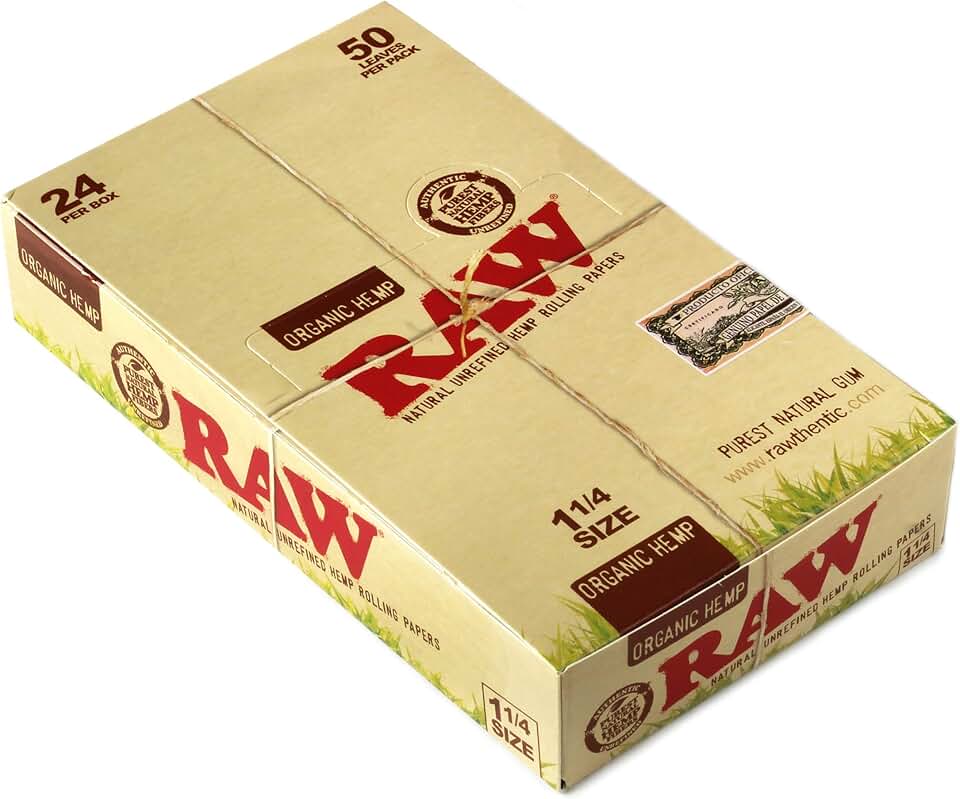
RAW Unrefined Organic 1.25 1 1/4 Size Cigarette Rolling Papers Full Box of 24 Packs, Yellow, 50 Count (Pack of 24)
- Made from unrefined organic hemp
- 1.25 (1 1/4) size
- Full box contains 24 packs, with 50 papers per pack
If you're exploring the world of hemp rolling papers, RAW's Unrefined Organic line is a fantastic place to start. They offer a clean, natural burn that's a favorite among many.
View on Amazon →As an Amazon Associate I earn from qualifying purchases.
Beyond the Basics: Additives and Treatments
Many rolling papers contain additives to improve their burn quality or structural integrity. Flaxseed gum is a common addition, used as a natural adhesive to help the paper seal. Some papers also contain calcium carbonate, which helps control the burn rate. Natural dyes are used to color papers, though many smokers prefer unbleached options to avoid potential chemical residues.
Concerns about the health impacts of these additives are valid. While most are considered safe in small quantities, some people prefer to avoid them altogether. Unbleached papers are a good option for those who want to minimize their exposure to chemicals. Look for papers that are labeled as "natural’ or ‘unbleached".
Brands like Raw and Elements prioritize natural materials and minimal processing. They often use flaxseed gum as the only additive, and they’re transparent about their manufacturing processes. Choosing a brand that prioritizes natural ingredients can give you peace of mind.
No comments yet. Be the first to share your thoughts!