
The shift from hiding to preserving
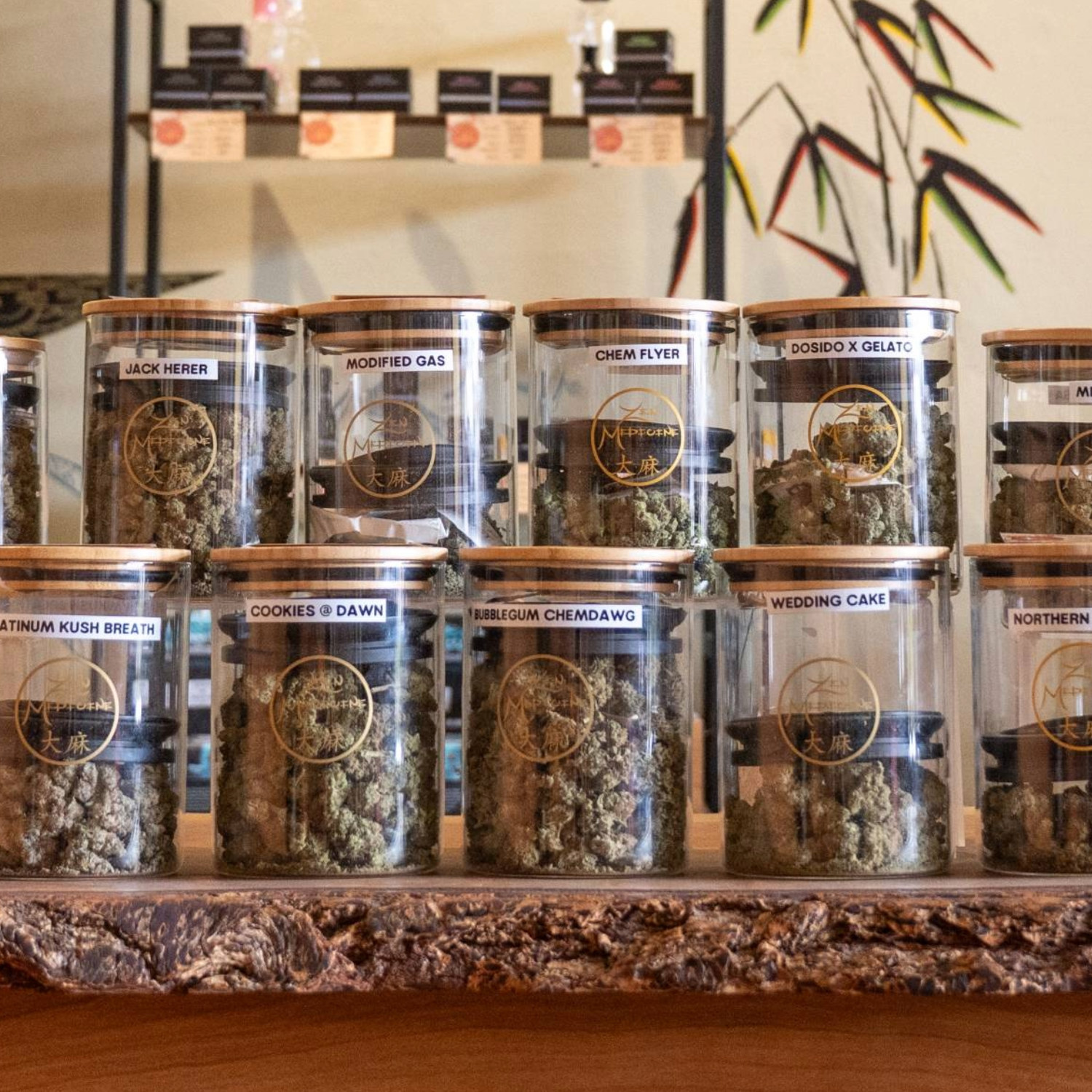
Most people start with a ziplock bag in a drawer or an old mason jar. It works until the room starts smelling like a dispensary. For a long time, we cared more about hiding the stash than keeping it fresh.
Historically, cannabis storage was about discretion. During prohibition, keeping cannabis hidden was the primary concern. This led to basic solutions like vacuum sealing or stashing it amongst other items. As legalization spreads, the focus is shifting towards maintaining the quality of the product. People are starting to understand that proper storage isn’t just about smell, it’s about protecting their investment.
The problems with traditional methods are well-known: smell leakage, degradation of cannabinoids due to exposure to air and light, and difficulty maintaining optimal humidity levels. These issues impact the potency, flavor, and overall enjoyment of cannabis. That’s why we’re seeing a surge in innovation – a move towards smarter, more scientific storage solutions. It’s a clear sign that cannabis consumers are becoming more sophisticated in their needs.
What actually kills your flower
Cannabinoids, like THC and CBD, and terpenes – the compounds responsible for aroma and flavor – are surprisingly delicate. Exposure to light, air, humidity, and temperature all contribute to their degradation. Think of it like keeping a bottle of fine wine: improper storage can drastically alter its quality.
Light, specifically UV rays, is a major enemy. It breaks down THC, turning it into CBN, which has different effects. Ideally, cannabis should be stored in a dark environment. Humidity is another critical factor; too much encourages mold growth, while too little dries out the flower, making it brittle and reducing its terpene profile. A relative humidity between 59-63% is often cited as optimal, but this can be debated depending on the strain.
Temperature also plays a role. High temperatures accelerate the degradation process. The ideal temperature range is between 60-70°F (15-21°C). Even short-term exposure to extreme temperatures can have a noticeable impact. Understanding these factors is the first step towards preserving your cannabis and maximizing your experience.
Smart Containers: What’s Inside the Tech?
Smart cannabis containers are designed to address the shortcomings of traditional storage methods. These containers go beyond simply being airtight; they actively monitor and regulate the environment inside. The core technology often involves a suite of sensors that track key parameters like humidity and temperature.
Many smart containers utilize airtight seals made from materials like silicone or specialized polymers to minimize air exposure. Some also incorporate UV filters to block harmful light. Beyond that, you'll find features like desiccant packs to absorb excess moisture, and even active ventilation systems to promote air circulation. These features are all geared towards creating a stable, optimal storage environment.
High-end containers now log data so you can check the internal climate on your phone. You can see exactly when the humidity spiked or if the temperature got too high. This move toward connected hardware gives you actual proof that your flower is staying potent.
Automation and AI in storage
The most advanced smart containers are beginning to incorporate artificial intelligence (AI) to optimize storage conditions. This isn’t about the container having a personality, but rather about using data analysis to proactively adjust settings. For example, some containers can learn a user’s consumption patterns – how often they open the container, how much they typically use – and adjust humidity levels accordingly.
Imagine a container that automatically detects a slight increase in humidity and activates a re-desiccation cycle, or one that alerts you when the desiccant pack needs replacing. This level of automation takes the guesswork out of storage and ensures that your cannabis is always kept in optimal condition. The functionality is pretty cool, but it's not quite a perfected science yet.
We aren't quite at the point of perfect automation yet. Future jars might predict exactly when your THC will start degrading based on how often you open the lid, but for now, the tech is mostly reactive. It's a useful tool, not a magic fix.
- The jars use automated humidity control to keep levels between 59% and 63%.
- Predictive degradation analysis
- Personalized storage recommendations
- Alerts for suboptimal conditions
Top Smart Cannabis Containers of 2026
The smart cannabis container market is still developing, but several promising options are already available, with more expected to launch by 2026. Here's a look at some of the top contenders, based on current offerings from sites like smokecartel.com and hemper.co.
Tulip: This is a highly-rated option known for its sleek design and focus on preservation. It features a multi-layer airtight system and includes a desiccant pack for humidity control. While not AI-powered, it offers a significant upgrade over traditional jars. Estimated Price: $79-$129.
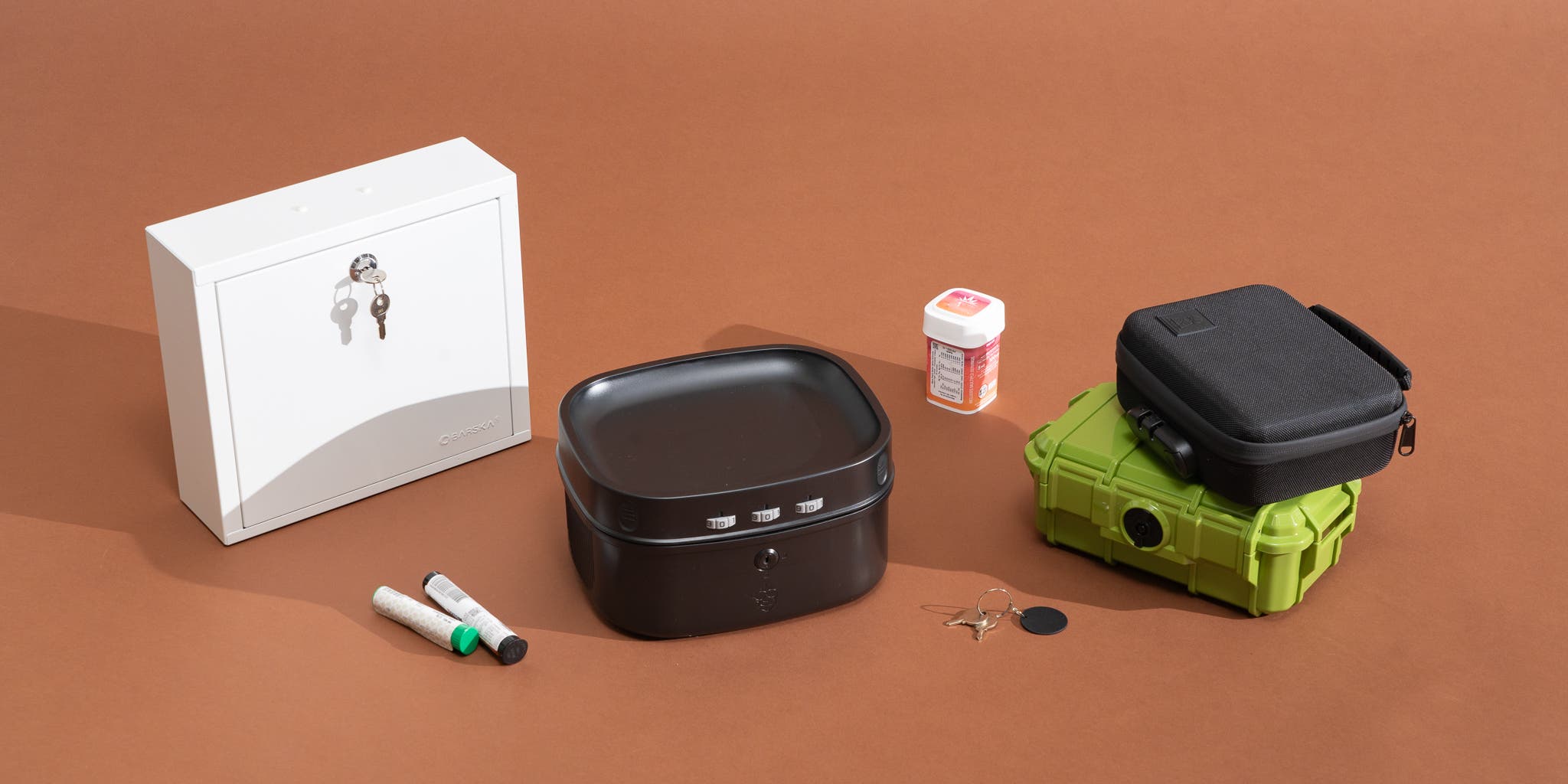
Smokecartel's StashSafe Container: Smokecartel offers a range of stash boxes, some of which incorporate odor-absorbing technology and combination locks for added security. These aren't 'smart' in the AI sense, but they address crucial aspects of storage – smell and theft prevention. Price range varies widely, from $20 to $100+.
Hemper’s Smell Proof Bags: Hemper specializes in smell-proof bags made from carbon-lined materials. These are a cost-effective solution for short-term storage or transport, though they don’t offer the same level of environmental control as dedicated containers. Price: $15-$40.
The Dime by Dime Bags: This container features a uniquely designed airtight system and includes a humidity pack. It’s a compact and portable option ideal for on-the-go storage. Estimated price: $30-$50.
PuffCuff: A more basic, but effective option, PuffCuff focuses on odor control with its activated carbon lining. It's a good entry point for those looking to upgrade from basic bags. Price around $25.
Terpeno Vault: This container features a combination of airtight seals, UV protection, and desiccant technology. It’s designed to preserve terpenes and maintain the flavor of your cannabis. Estimated Price: $80 - $150.
Featured Products

Auto-cure technology · Vacuum seal · Built-in hygrometer
This smart jar offers automated humidity control and vacuum sealing to ensure maximum freshness and potency.

Acacia wood construction · Built-in rolling tray · Includes 3 glass jars
This stylish and secure stash box provides a complete, organized solution for preserving your cannabis.
Auto-cure technology · Vacuum seal · Built-in hygrometer
This smart jar offers automated humidity control and vacuum sealing to ensure maximum freshness and potency.

Airtight and smell-proof · Waterproof · Portable aluminum design
These compact aluminum jars offer reliable, portable, and odor-controlled storage for various dry goods.
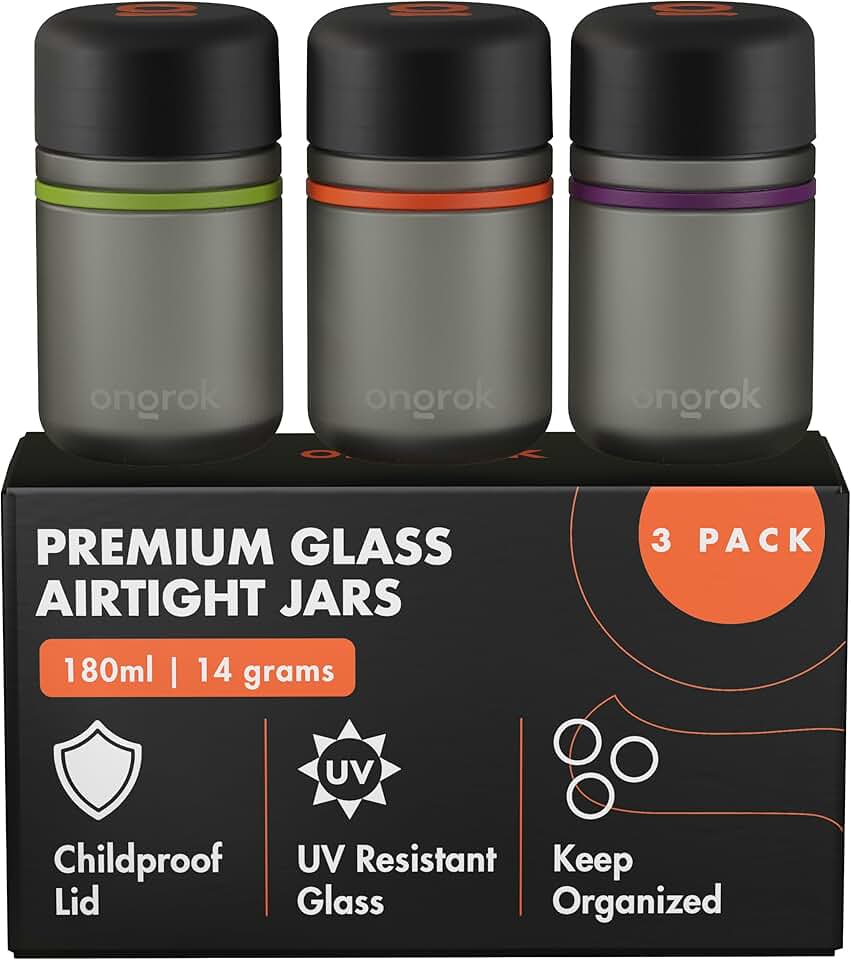
UV protection glass · Child-resistant lid · Color-coded for identification
These UV-protected glass jars with child-resistant lids are excellent for maintaining the quality and scent of your cannabis.
As an Amazon Associate I earn from qualifying purchases. Prices may vary.
Traditional Methods Reimagined: Hybrid Approaches
Not everyone wants a fully-fledged "smart" container. Many consumers are looking for solutions that offer an upgrade over traditional methods without the complexity or cost. This is where hybrid approaches come into play.
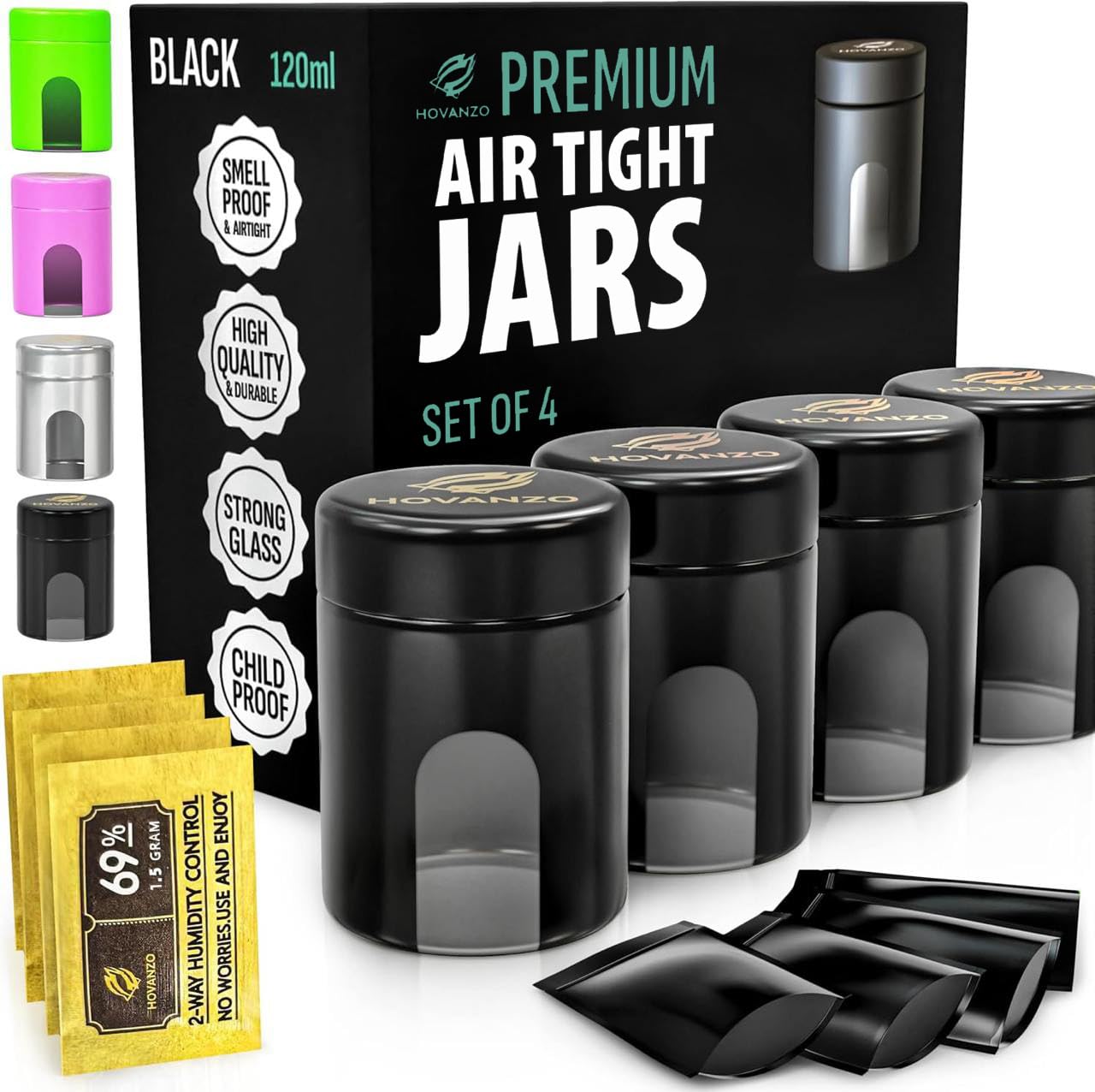
A prime example is airtight glass jars paired with humidity control packs like Boveda. These packs maintain a consistent humidity level within the jar, preventing both drying and mold growth. Adding a smartphone-connected humidity sensor provides an extra layer of monitoring and peace of mind. You can find humidity sensors for around $10-$30.
Another option is upgraded stash boxes with built-in odor control features, such as activated carbon filters, and enhanced security measures like combination locks. These boxes offer a balance of functionality, discretion, and affordability.
Where storage tech is going
The future of cannabis storage is likely to see even more sophisticated integration of AI and smart home technology. We could see containers that automatically adjust to environmental conditions based on real-time data, and even communicate with other smart devices in your home.
Another trend is the development of more sustainable and eco-friendly containers. Biodegradable or compostable materials could become increasingly common, reducing the environmental impact of cannabis consumption. Expect to see more focus on preserving terpenes with advanced preservation technologies, and a greater emphasis on user data and personalized storage profiles.
Ultimately, the goal is to create a seamless and intuitive storage experience that ensures your cannabis stays fresh, potent, and flavorful for as long as possible. It’s an exciting time for innovation in this space.
Cannabis Storage Solutions: A Comparison (2026 Outlook)
| Feature | Traditional Methods (Jars, Cases, etc.) | Smart Containers (AI-Powered) | Notes |
|---|---|---|---|
| Upfront Cost | Low 💰 | Medium to High 💸 | Traditional options are generally very affordable. Smart containers have higher initial costs due to technology. |
| Long-Term Cost | Low | Medium | Traditional methods require occasional replacement of jars/cases. Smart containers *may* have subscription or maintenance costs (currently speculative). |
| Preservation Quality | Good (dependent on airtight seal & UV protection) | Excellent (precise humidity & temperature control) | Smart containers aim for optimal conditions, potentially extending shelf life and preserving terpenes better. |
| Convenience | Medium - Requires manual monitoring & organization | High - Automated monitoring, potential for inventory tracking | Smart containers offer features like automatic alerts if conditions deviate from ideal settings. |
| Security | Low to Medium (easily accessible, potential for accidental discovery) | High (biometric locks, tamper alerts) | Smart containers offer enhanced security features, important for households with children or concerns about theft. |
| Data Tracking | None | Potential for detailed usage & inventory data | Some smart containers are envisioned to track consumption patterns, strain information, and remaining quantity (future development). |
| Portability | High - Many options are easily transportable | Medium - Size and power requirements may limit portability | Traditional containers are generally more convenient for on-the-go use. Smart containers may be larger and require charging. |
| Environmental Control | Manual - Relies on user diligence | Automated - Precise humidity and temperature regulation | Smart containers use sensors and potentially active control systems to maintain optimal storage conditions. |
Illustrative comparison based on the article research brief. Verify current pricing, limits, and product details in the official docs before relying on it.
No comments yet. Be the first to share your thoughts!