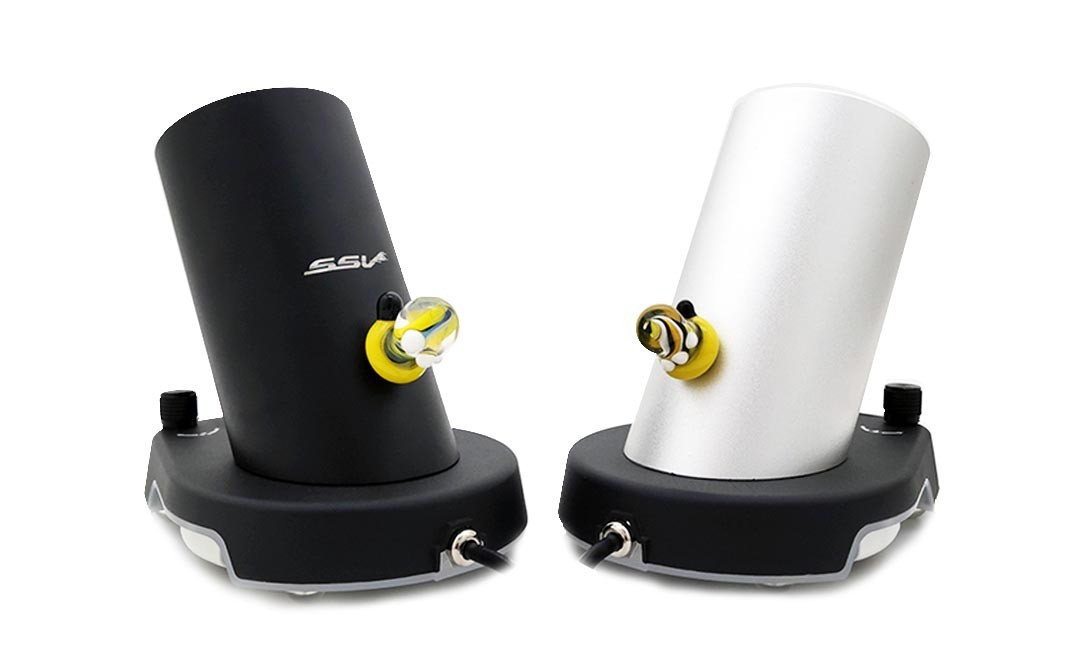

Vaporizer 2026 budget
Finding a reliable dry herb vaporizer in 2026 means balancing performance against price. The market has shifted toward durable, mid-range devices that prioritize consistent vapor quality over flashy add-ons. When setting a budget, you are really trading off between build materials, heating speed, and long-term maintenance costs.
The $100–$150 Sweet Spot
This range offers the best balance for most users. Devices here typically feature hybrid heating systems (conduction and convection) that deliver thick, flavorful vapor without the heavy battery drain of older models. You get durable batteries, replaceable mouthpieces, and reliable temperature control. It is the tier where you stop compromising on core performance but avoid paying for premium brand markup.
Spending More Than $200
High-end models often cost more due to specialized materials like borosilicate glass or aircraft-grade aluminum. They may offer faster heat-up times or app connectivity, but the vapor quality difference compared to a $150 device is often marginal for casual users. Only upgrade if you need specific features like precise digital temperature dials or extended battery life for travel. For daily heavy users, the Arizer Solo 3 v2.0 remains a top contender in this bracket, offering robust performance and replaceable parts that extend the device's life.
Staying Under $50
Budget vaporizers under $50 are often disposable or short-lived. They typically use simple conduction heating, which can lead to uneven burning and a harsher taste. If you are on a tight budget, consider buying a used mid-range model from a reputable reseller rather than a new cheap unit. A well-maintained $100 device will outlast three $30 disposables and provide a significantly better experience.
Shortlist real options
The 2026 dry herb vaporizer market prioritizes consistency and battery life over flashy gimmicks. Current heavy hitters like the Arizer Solo 3 v2.0 dominate discussions for raw vapor quality, while the Pax 3 remains a reliable staple for users who value discretion and ease of use. Newer entries like the Zeus Arc GT4 and Venty are pushing the ceiling for luxury and precision heating.
Rather than guessing which device fits your routine, compare the top contenders side-by-side. This table highlights the core tradeoffs in heating technology, portability, and target use cases to help you choose the best vaporizer 2026 has to offer.
| Model | Heating Type | Best For | Key Detail |
|---|---|---|---|
| Arizer Solo 3 v2.0 | Hybrid | Heavy users | Maximum vapor quality |
| Storz & Bickel Venty | Convection | Purists | Best vapor quality |
| Pax 3 | Convection | Everyday use | Reliable and compact |
| Zeus Arc GT4 | Convection | Luxury seekers | Dual-use design |
| Utillian 723 | Convection | Budget buyers | Strong value |
Inspect the expensive parts
When upgrading a dry herb vaporizer or premium glass bong, the most costly failures usually happen in the mouthpiece, heating chamber, and glass joints. These components take the most physical and thermal stress. Catching wear early saves you from replacing an entire unit.
Check the mouthpiece for heat damage
The mouthpiece is the first point of contact and often the first to fail. On dry herb vaporizers, look for cracks in the ceramic or metal stems. Cracks trap residue and can cause uneven heating or leaks. For glass bongs, inspect the joint where the stem meets the body. A loose or cloudy joint indicates wear that can lead to sudden breakage during transport.
Inspect the heating chamber for residue buildup
Residue accumulation in the heating chamber reduces airflow and efficiency. In portable dry herb vaporizers like the Arizer Solo 3, check the removable oven for carbonized plant material. Use a soft brush to remove debris without scratching the coating. If the chamber is non-removable, look for signs of clogging that require professional cleaning or replacement.
Examine the battery and charging port
A failing battery is a silent killer of performance. Check for swelling or corrosion around the charging port. If your vaporizer uses a replaceable battery, ensure the contacts are clean and secure. For glass bongs with electronic components, verify that the heating element responds immediately to power without flickering.
Look for cracks in glass joints and tubes
Glass bongs are prone to stress fractures, especially at the neck and base. Hold the bong up to a light source to spot hidden cracks. Even small hairline fractures can spread during use. If you find any, replace the piece immediately to avoid injury.
Verify seal integrity on gaskets and O-rings
Many vaporizers use silicone gaskets to maintain airtight seals. Over time, these degrade and lose elasticity. Check for gaps or air leaks when assembling the device. Replace worn gaskets with food-grade silicone replacements to restore performance and prevent vapor loss.
Plan for ownership costs
A vaporizer’s sticker price is just the entry fee. The real test is what it costs to keep it running over time. Cheap devices often hide expenses in disposable parts or poor battery health, while premium models spread those costs across years of reliable use.
Battery replacement reality
Lithium-ion batteries degrade with every charge cycle. Even high-end devices like the Arizer Solo 3 v2.0, which uses a swappable battery system, will eventually need new cells. Factor in the cost of replacement batteries every two to three years. If a device uses a non-replaceable internal battery, its lifespan is capped at the battery’s failure point, effectively making the initial purchase price much higher per year of use.
Mouthpiece and screen maintenance
Resin buildup is inevitable. While some mouthpieces are made of durable glass or ceramic, others are plastic and become brittle or discolored. Cheap mouthpieces often crack under heat stress, requiring frequent replacement. Similarly, screens (if your device uses them) clog with plant matter. If your vaporizer has intricate internal screens that are hard to clean, you may need to replace the entire chamber or mouthpiece assembly more often. Choose devices with wide-bore mouths and easy-to-remove screens to minimize this recurring hassle.
The "cheap" trap
A $50 vaporizer might seem like a bargain, but if the heating element fails after six months or the battery holds no charge after a year, you’ve paid more per month than a $200 device that lasts five years. Look for warranties and availability of spare parts. A slightly higher upfront cost for a device with accessible, affordable replacement parts is almost always the more economical choice in the long run.
Vaporizer 2026: what to check next
Choosing a dry herb vaporizer in 2026 means balancing portability against vapor quality. The market has shifted toward hybrid heating systems that combine conduction and convection for faster heat-up times and consistent flavor. Below are answers to the most common questions readers ask before upgrading.
No comments yet. Be the first to share your thoughts!