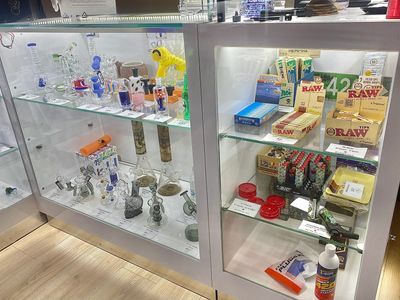

Vaporizer 2026 budget
The to Premium Cannabis Accessories works best when the purchase path is explicit. Verify the source, compare the offer against real alternatives, check the total cost, and confirm what happens after payment before you decide. After each comparison, write down the one risk that would change your mind. If the seller, condition, support, warranty, shipping, or upkeep still feels uncertain, resolve that question before moving to checkout.
The simplest way to use this section is to verify the seller, compare the total cost, and resolve the biggest risk before you commit.
Shortlist real options
Choosing the best vaporizer 2026 relies on matching hardware to your specific habits. The market has shifted toward hybrid heating systems and longer battery life, but performance gaps remain between luxury models and budget-friendly entry points. We evaluated the strongest contenders based on vapor quality, build durability, and ease of use.
The Storz & Bickel Venty stands out for pure vapor quality, delivering consistent clouds with minimal effort. For those prioritizing flavor, the Tinymight 2 offers a refined heating chamber that preserves terpene profiles. Heavy hitters often prefer the Arizer Solo 3 v2, which combines robust convection with a durable glass path. Meanwhile, the Zeus Arc GT4 appeals to users seeking a luxury dual-use experience, supporting both dry herb and concentrate formats.
| Vaporizer | Best For | Heating Type | Portability |
|---|---|---|---|
| Storz & Bickel Venty | Vapor Quality | Hybrid | High |
| Tinymight 2 | Flavor | Convection | Medium |
| Arizer Solo 3 v2 | Heavy Use | Convection | Medium |
| Zeus Arc GT4 | Luxury/Dual-Use | Hybrid | High |
| Utillian 723 | Budget | Convection | High |
Each model serves a distinct niche. The Venty’s hybrid system balances speed and depth, making it a reliable daily driver. The Tinymight 2’s compact design sacrifices some capacity for exceptional taste, ideal for discreet sessions. The Solo 3 v2 remains a heavy-duty option, built to withstand frequent travel, though its size may deter some. The Zeus Arc GT4 offers versatility but at a higher price point, justifying its luxury status with premium materials. Finally, the Utillian 723 provides accessible convection heating for users who want performance without the premium cost. Selecting the right device depends on whether you prioritize flavor, durability, or versatility.
Inspect the expensive parts
Premium cannabis accessories are expensive because of the materials and precision engineering involved. When a $300 vaporizer or a hand-blown glass bong fails, it is usually because a single component wore out or broke. You can save money by catching these issues early or avoiding them during purchase.
Focus your inspection on the parts that are hardest and most costly to replace. If you are buying used, treat these checkpoints as deal-breakers rather than negotiable items.

For portable vaporizers, the battery is the most frequent point of failure. A degraded battery will not hold a charge or may fail to reach the target temperature. Inspect the battery compartment for corrosion or loose contacts. If the device uses a proprietary charger, ensure the cable is intact and the connector fits snugly without wiggling. A loose connection can cause intermittent heating or complete failure.
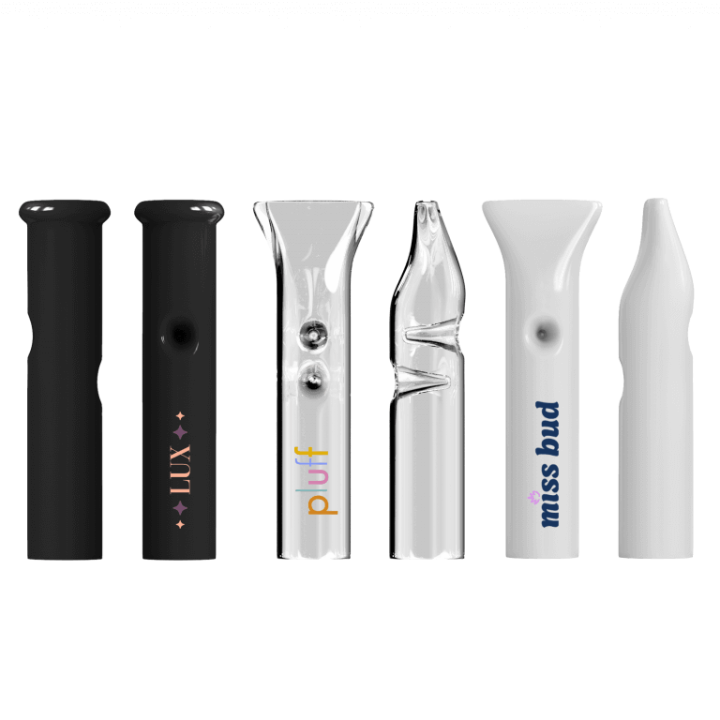
In dry herb vaporizers, the heating chamber and mouthpiece are subject to direct heat and physical stress. Look for cracks in the mouthpiece, which can harbor mold and break off. Check the heating element for excessive residue buildup that cannot be cleaned with standard tools. In glass pieces, inspect the joint and stem for stress fractures or cloudiness that indicates deep cleaning damage. These components are often the most expensive to replace if they are integrated into the body.
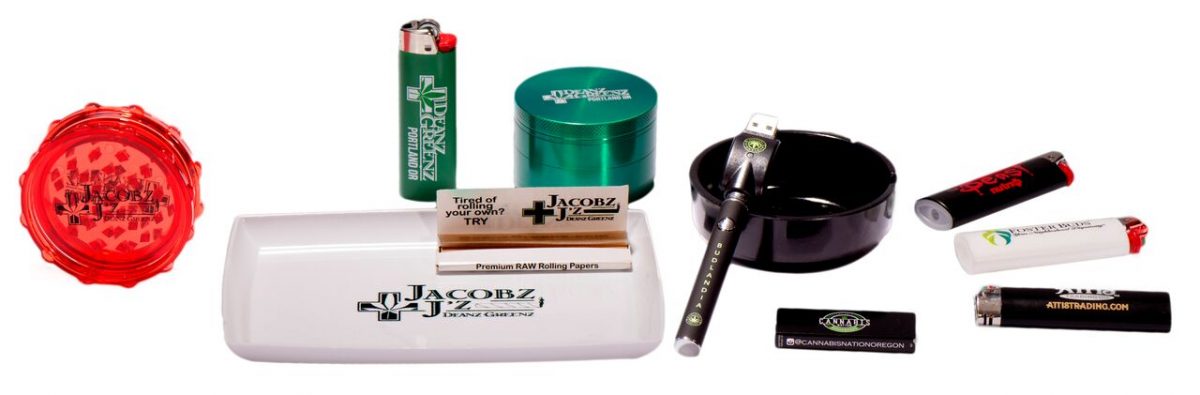
Airflow efficiency depends on airtight seals. Check the silicone gaskets in vaporizers and glass pieces for tears, stiffness, or loss of elasticity. A compromised seal leads to harsh hits and inefficient vapor production. In storage solutions, ensure the lid closes tightly with a consistent resistance. Poor seals allow moisture to escape or enter, degrading the cannabis over time. Replaceable gaskets are a sign of good design; non-replaceable ones are a risk.
By focusing on these specific areas, you can determine if a premium accessory is worth the investment or if it is a ticking time bomb. Always prioritize devices with accessible, replaceable parts for long-term value.
Ownership costs: maintenance surprises and long-term value
A vaporizer’s sticker price is just the entry fee. The real cost comes from replaceable parts and the habits that wear them down faster. Glass bongs are cheap to buy but expensive to keep clean; battery-powered pens are expensive to buy but cheap to maintain if you treat the battery right. Knowing which parts break lets you budget for replacements instead of panicking when a $5 mouthpiece stops working.
Replaceable parts add up
Vaporizers are built like cars: you change the oil and filters, not the whole engine. In dry herb pens, the heating chamber and mouthpiece are the most common wear items. Ceramic or metal chambers crack or lose thermal efficiency after a year of heavy use. Glass mouthpieces shatter if dropped. If your device uses a detachable mouthpiece, check the manufacturer’s replacement guide before buying. Some brands sell chambers for $15–$25, which is cheaper than replacing a $200 unit.
Glass bongs require different maintenance. Downstem and ice catcher pieces are fragile but inexpensive. The real cost is cleaning solution and time. A heavy resin buildup in a complex percolator bong can take hours to scrub. If you buy a bong with many moving parts, factor in the cost of specialized brushes or ultrasonic cleaners. Simple single-chamber rigs are cheaper to own because they don’t trap residue in hard-to-reach places.
When cheap stops being cheap
The cheapest vaporizer often fails because of poor battery management or low-quality heating elements. A $50 pen that dies after six months costs more per use than a $150 unit that lasts three years. Look for devices with replaceable batteries or strong battery protection circuits. Cheap units often lack overcharge protection, which ruins batteries quickly and creates safety risks.
Similarly, cheap glass bongs may use thin, low-quality borosilicate glass that cracks under thermal shock. A $100 bong with thick glass and simple joints will outlast a $30 bong that shatters during its first deep clean. Invest in durability for the parts you touch daily: the mouthpiece, the battery, and the glass joints. These are the components that define your long-term cost of ownership.
No comments yet. Be the first to share your thoughts!