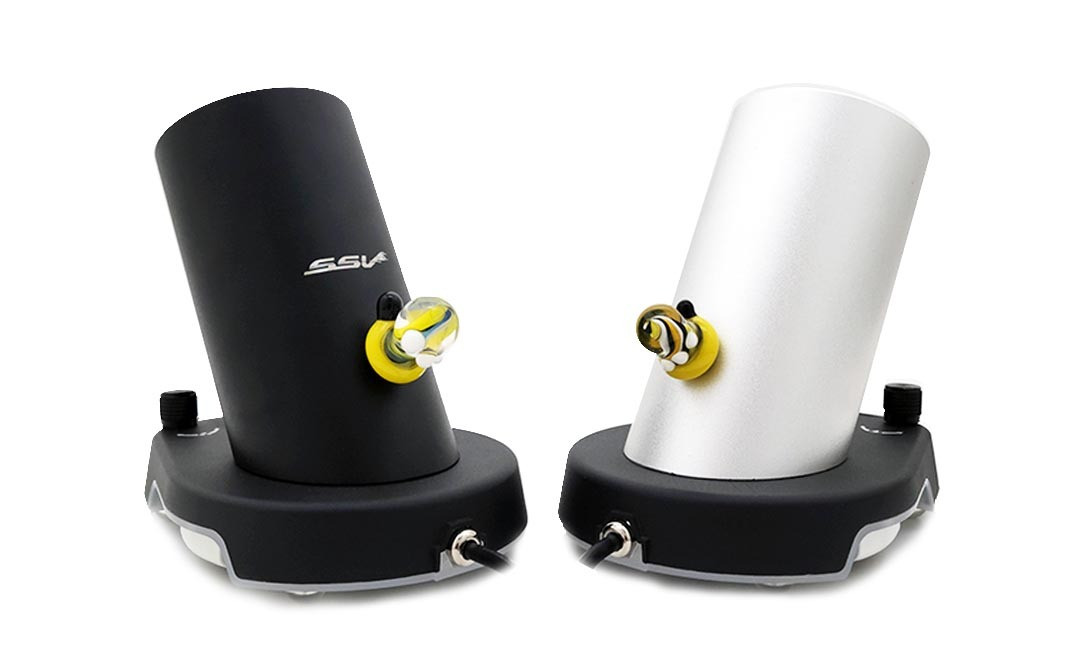

Vaporizer 2026 budget
The Upgrade works best when the purchase path is explicit. Verify the source, compare the offer against real alternatives, check the total cost, and confirm what happens after payment before you decide. After each comparison, write down the one risk that would change your mind. If the seller, condition, support, warranty, shipping, or upkeep still feels uncertain, resolve that question before moving to checkout.
The simplest way to use this section is to verify the seller, compare the total cost, and resolve the biggest risk before you commit.
Shortlist real options
Use this section to make the The Upgrade decision easier to compare in real life, not just on paper. Start with the reader's actual constraint, then separate must-have requirements from details that are merely nice to have. A practical choice should survive normal use, maintenance, timing, and budget. If a recommendation only works in an ideal situation, call that out plainly and give the reader a fallback path.
| Factor | What to check | Why it matters |
|---|---|---|
| Fit | Match the option to the primary use case. | A good deal still fails if it does not fit the job. |
| Condition | Verify age, wear, and service history. | Hidden condition issues erase upfront savings. |
| Cost | Compare purchase price with likely upkeep. | The cheapest option is not always the lowest-cost option. |
Inspect the expensive parts
Use this section to make the The Upgrade decision easier to compare in real life, not just on paper. Start with the reader's actual constraint, then separate must-have requirements from details that are merely nice to have. A practical choice should survive normal use, maintenance, timing, and budget. If a recommendation only works in an ideal situation, call that out plainly and give the reader a fallback path.
-
Verify the basicsConfirm the core specs, condition, and fit before comparing extras.
-
Price the downsideLook for the repair, maintenance, or replacement cost that would change the decision.
-
Compare alternativesCheck at least two comparable options before treating one listing as the benchmark.
Plan for ownership costs
A vaporizer’s sticker price is just the entry fee. The real cost comes from maintenance, replacement parts, and the inevitable need to upgrade when components wear out. Understanding these hidden expenses helps you decide whether a cheap buy is actually a bad deal in the long run.
Replacement parts add up
Every device has consumables. Mouthpieces crack. Batteries degrade after a few years. Heating chambers need cleaning or replacement. For example, the Arizer Solo 3 v2.0, often recommended for heavy users, requires specific replacement stems and batteries that aren't included in the base price. If you vape daily, you might replace a mouthpiece or stem every few months.
Maintenance time and tools
Cleaning isn't just about longevity; it's about flavor and efficiency. Resin buildup blocks airflow and wastes material. You'll need isopropyl alcohol, cotton swabs, and maybe a pipe cleaner. Some devices, like the Tinymight 2, are designed for easier cleaning, but they still require regular attention. Neglecting maintenance can lead to clogged screens or burnt-tasting vapor, forcing you to buy a new unit sooner.
When cheap becomes expensive
A $50 vaporizer might seem like a bargain, but if it breaks in six months or produces harsh vapor due to poor temperature control, you've wasted your money. Premium devices like the Volcano Hybrid or Venty Vaporizer often last longer and perform better, reducing the frequency of replacement. The initial investment pays off in consistent quality and durability.
Battery life and replacement
Most portable vaporizers use rechargeable batteries. Over time, these batteries lose capacity. After two to three years, you might notice shorter sessions or the need to charge more frequently. Some brands sell replacement batteries, while others make the battery non-replaceable, effectively ending the device's life. Check if the battery is user-replaceable before buying.
Cleaning supplies cost
You'll need to buy cleaning solutions and tools. Isopropyl alcohol, cotton swabs, and pipe cleaners are inexpensive but add up over time. Some devices come with cleaning kits, but you'll likely need to buy replacements eventually. Factor this into your annual budget.
Warranty and support
A good warranty can save you money. Look for devices with at least a one-year warranty. Some brands offer extended warranties or lifetime support for certain parts. This can offset the cost of repairs or replacements. Check the manufacturer's policy before purchasing.
Resale value
Some vaporizers hold their value better than others. Popular models like the Pax 3 or Arizer Solo 3 often have a strong secondary market. If you plan to upgrade frequently, buying a device with high resale value can reduce your net cost.
Total cost of ownership
When evaluating a vaporizer, consider the total cost of ownership, not just the purchase price. Include replacement parts, cleaning supplies, battery replacements, and potential repairs. A device that costs more upfront but has lower ongoing costs might be the better value.
No comments yet. Be the first to share your thoughts!