
Dry herb vaporizer budget: what $50 actually buys you
Setting a price ceiling for a dry herb vaporizer helps filter out marketing noise and focus on build quality. In the budget tier, you are generally trading portability and precision for durability and ease of use. You won’t find the rapid heat-up times of premium convection models, but you can still get clean, consistent vapor if you manage your expectations.
The biggest compromise in this range is temperature control. Most budget devices use analog dials or fixed-temperature presets rather than digital precision. This means you rely on feel and timing rather than exact degrees. It’s a learning curve, but it forces you to pay attention to the material rather than just setting and forgetting.
PuffCo Peak Air (Refurbished)
The PuffCo Peak Air is a top-tier portable that often drops into the budget category through certified refurbished programs. Buying refurbished is one of the few ways to access high-end convection heating and smart temperature control without the flagship price tag. You get precise airflow and excellent flavor, though battery life may not be at 100% of new units.
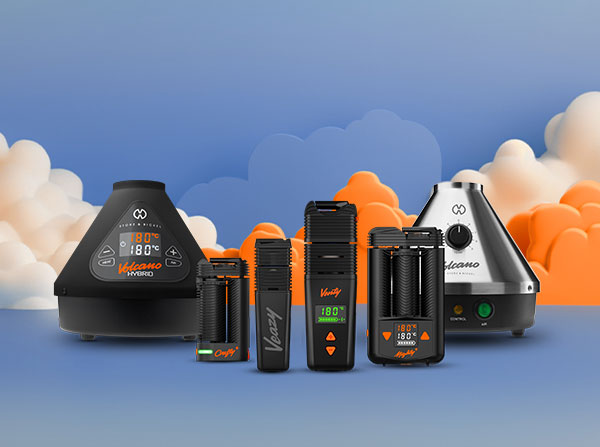
Volcano Hybrid (Refurbished)
For those who prefer a desktop-style experience in a smaller form factor, refurbished Volcano units occasionally appear. While the original Volcano is a countertop beast, older desktop models or similar high-end refurbished units offer unparalleled consistency. This is for users who prioritize vapor quality over carrying the device in their pocket.
Storz & Bickel Mighty+ (Refused/Refurbished)
The Mighty+ is widely considered the gold standard for portable dry herb vaporizers. Finding one in budget condition requires looking at certified refurbished markets or older model sales. If you can snag one, you get Swiss-engineered durability and a hybrid heating system that balances conduction and convection. It’s an investment that lasts for years if maintained.
Budget-Friendly Conduction Options
If refurbished premium devices are out of reach, dedicated budget conduction vaporizers like the Arizer Solo or VapePen 895 offer reliable performance. These devices heat the chamber directly, which can lead to slightly harsher hits at high temperatures but provides a dense vapor cloud. They are sturdy, easy to clean, and lack the complex electronics that often fail in cheaper, lesser-known brands.
The Tradeoff: Maintenance Over Upgrades
In the budget segment, maintenance is more critical than in premium models. Cheaper materials may degrade faster, so regular cleaning of the mouthpiece and chamber is essential for flavor. Unlike high-end devices with sealed systems, budget vaporizers often require more frequent disassembly. This extra effort is the price you pay for the lower entry cost, ensuring your device lasts as long as possible.
Shortlist real options
Dry herb vaporizers have evolved from niche gadgets into sophisticated devices that prioritize flavor preservation and efficiency. Choosing the right model depends less on hype and more on how you plan to use it. Are you looking for a pocket-sized unit for discreet sessions, or a benchtop device for longer gatherings? The market is saturated, but a few models consistently deliver on reliability and vapor quality.
We have evaluated the current landscape to identify the strongest contenders. The following comparison table breaks down the key differentiators: heating method, temperature control, battery life, and build quality. These specs matter because they dictate the experience. Conduction heats the herb directly, offering fast heat-up times but risking uneven burns. Convection uses hot air to pass through the herb, providing more consistent flavor and full extraction, though often at the cost of longer warm-up periods.
When reviewing these options, look for devices that offer precise temperature control. Being able to dial in the exact heat allows you to target specific terpenes. Lower temperatures yield flavorful, clear vapor, while higher settings provide a thicker, more potent hit. Battery life is another critical factor; portable units should last at least a full day of moderate use without needing a recharge.
The table below compares the top recommendations. Each entry represents a distinct approach to dry herb vaping, from budget-friendly disposables to premium rechargeable systems. Use this data to narrow your search before diving into detailed reviews.
| Model | Type | Heating | Battery | Temp Control |
|---|---|---|---|---|
| Storz & Bickel Mighty+ | Portable | Hybrid | Removable | Precise |
| Pax 3 | Portable | Conduction | Internal | App/Display |
| Volcano Hybrid | Desktop | Convection | N/A | Precise |
| Volcano Classic | Desktop | Convection | N/A | Dial |
| Dynavap M | Portable | Conduction | N/A (Butane) | Manual |
| XMAX V3 Pro | Portable | Convection | Internal | Digital |
Inspect the expensive parts
Skip the mouthpiece and battery for a moment. When dry herb vaporizers fail, it is usually because the heating chamber or the airflow path has succumbed to resin buildup. Resin is sticky and conductive; if it bridges the connection between the heating element and the sensors, the device will read temperatures incorrectly or stop heating altogether. Cleaning these internal components is the single most effective way to extend the life of your vaporizer.
Start by removing the mouthpiece. If your model has a removable oven, take that out too. Inspect the interior walls for dark, gummy deposits. Use a soft brush to sweep away loose debris, then apply isopropyl alcohol to a cotton swab or pipe cleaner to dissolve the stubborn residue. Be gentle around the heating element; you do not want to scratch the coating or dislodge the sensor.
Next, check the airflow path. Many vaporizers have a small air channel that runs from the mouthpiece down into the oven. Resin often clogs this narrow passage, restricting airflow and making it hard to pull vapor. Clear this channel with a thin pick or a specialized cleaning tool. If the airflow feels restricted even after cleaning, the filter screen may be clogged. Remove and clean the screen, or replace it if it is torn.
Finally, inspect the battery contacts. If your vaporizer uses a replaceable battery, remove it and check the contacts for corrosion or debris. Clean the contacts with a dry cloth or a small amount of alcohol. Dirty contacts can cause the device to turn on and off randomly or fail to charge. Keeping these points clean ensures your vaporizer performs reliably every time you use it.
Plan for ownership costs
A dry herb vaporizer is rarely a one-time purchase. The initial price tag is just the entry fee. To keep sessions consistent and safe, you need to budget for replacement parts and consumables. If you ignore these recurring costs, a cheap device can quickly become more expensive than a mid-range model that lasts longer.
Batteries and charging
The battery is the first thing to fail. Most portable vaporizers use lithium-ion cells that degrade over time. If your device no longer holds a charge for a full session, you may need to replace the battery or the entire unit. Look for models with replaceable batteries or strong warranty coverage. Avoid devices with sealed, non-replaceable batteries unless you are prepared to upgrade every two to three years.
Mouthpieces and heating chambers
Residue builds up in the heating chamber and mouthpiece, affecting flavor and airflow. Some mouthpieces are made of glass or ceramic and can crack if dropped. Others are plastic and can warp under high heat. Check if replacement parts are available and affordable. A $5 mouthpiece is a small price to pay for maintaining clean sessions.
Cleaning supplies
You will need isopropyl alcohol and cotton swabs to clean the interior. Cheap vaporizers often have hard-to-reach areas where resin accumulates, making cleaning difficult. If a device is too hard to clean, you might replace it sooner than expected. Factor in the cost of cleaning supplies and the time it takes to maintain the device.
When a cheap buy stops being cheap
The cheapest vaporizers often use low-quality heating elements that burn out quickly. They may also lack temperature controls, leading to uneven vapor and wasted herb. If you are vaping daily, investing in a device with a durable heating element and replaceable parts will save money in the long run. Calculate the cost per year, including replacements, to make an informed decision.
Dry herb vaporizer: what to check next
Choosing a dry herb vaporizer involves balancing portability, battery life, and flavor profile. Before you commit to a 2026 model, it helps to understand how the hardware handles your specific routine and preferences.
No comments yet. Be the first to share your thoughts!