
Beyond the Beaker: A 2026 Bong Landscape
The glass bong market in 2026 is a far cry from the simple designs of the past. What once served primarily as a means to an end has evolved into a realm of artistry and engineering. Consumers are increasingly seeking pieces that offer both functionality and aesthetic appeal, recognizing that the method of consumption can significantly enhance the overall experience.
Demand for higher-quality glass has steadily risen, driven by a growing appreciation for smooth, flavorful hits and the desire for durable, long-lasting equipment. We're seeing more intricate designs, innovative percolator systems, and a wider range of artistic expressions than ever before. This isn’t just about getting high; it’s about elevating the ritual.
The under-$200 price point represents a sweet spot for many buyers. It allows access to well-crafted bongs made with quality materials without requiring a significant financial investment. While premium, artist-blown pieces can reach into the thousands, a considerable selection of excellent options remain available for those seeking value and performance. Finding the right balance is key.
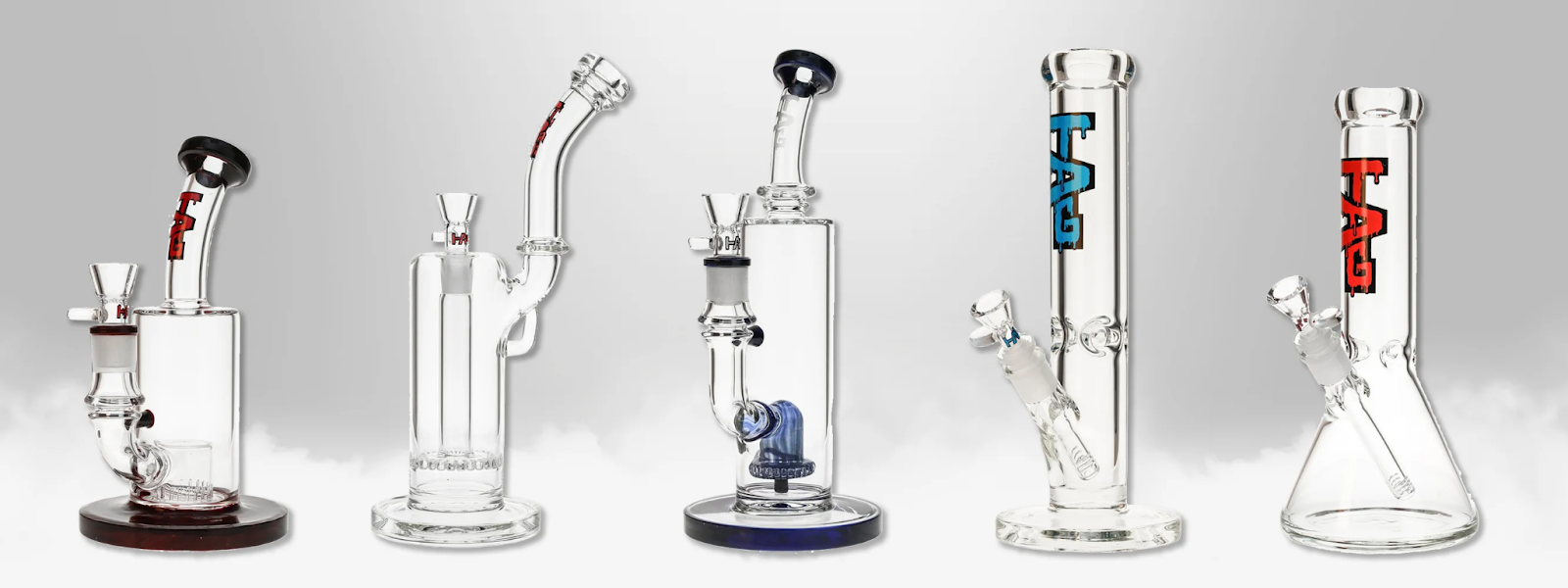
Decoding Glass Types: Borosilicate vs. Silica
The foundation of any glass bong is, unsurprisingly, the glass itself. Two main types dominate the market: borosilicate glass and standard silica glass. Understanding the differences between these materials is critical for making an informed purchase. Borosilicate, often referred to as 'boro,' is the preferred choice for most high-quality bongs.
Borosilicate glass boasts a significantly higher resistance to thermal shock than standard silica glass. This means it’s far less likely to crack or shatter when exposed to rapid temperature changes – a common occurrence when using hot water or lighting and extinguishing material. Its durability extends to general use, holding up better against accidental bumps and drops.
Cheaper bongs frequently utilize lower-quality silica glass to reduce production costs. While appearing similar at first glance, this material is considerably more brittle and prone to cracking, even with careful handling. The investment in borosilicate is an investment in longevity. Colored glass doesn’t inherently affect quality, but the pigments used should be compatible with the glass to avoid issues.
The composition of borosilicate includes boron trioxide, which lowers the coefficient of thermal expansion. This is the technical reason it resists cracking. A lower coefficient means the glass expands and contracts less with temperature changes.
- Borosilicate Glass: High heat resistance, durable, resists thermal shock.
- Silica Glass: Lower cost, more brittle, susceptible to cracking with temperature changes.
Borosilicate vs. Silica Glass for Water Pipes
| Property | Borosilicate Glass | Silica Glass |
|---|---|---|
| Heat Resistance | High | Medium |
| Durability | Medium | Low |
| Cost | Medium | Low |
| Common Use in Bongs | Very Common - Industry Standard | Less Common - Typically found in lower-cost options |
| Thermal Shock Resistance | High | Medium |
| Chemical Resistance | High | High |
| Cleaning Difficulty | Medium | Low |
| Clarity | Excellent | Good |
Illustrative comparison based on the article research brief. Verify current pricing, limits, and product details in the official docs before relying on it.
Anatomy of a Bong: Key Components Explained
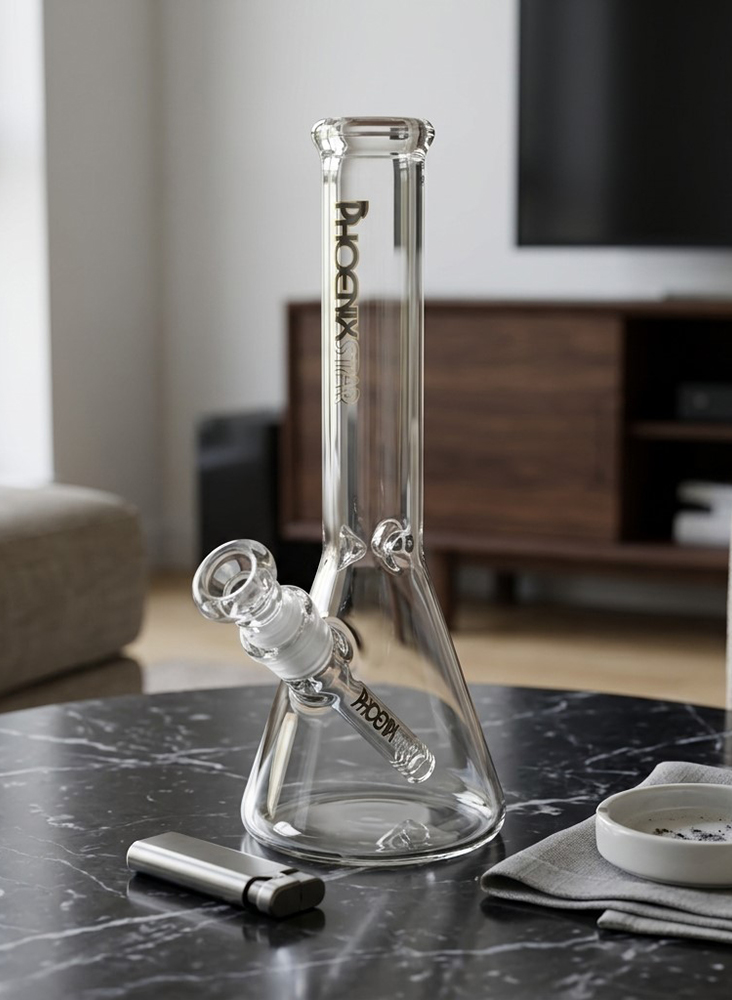
A glass bong isn’t just a tube; it’s a carefully engineered system. Understanding the function of each component is essential for appreciating the overall experience and choosing a bong that suits your preferences. The core components include the mouthpiece, downstem, bowl, base, and percolator.
The mouthpiece is where you inhale, and its shape and size can affect airflow and comfort. The downstem connects the bowl to the base, directing the smoke through the water. The bowl holds the material being combusted, and its size influences the amount you can smoke at once. The base contains the water, providing filtration. Finally, the percolator is the heart of the filtration system.
Percolators are arguably the most important component for a smooth hit. They diffuse the smoke through water, removing large particles and cooling the vapor. Different types of percolators offer varying levels of filtration and drag. Honeycomb percolators create numerous bubbles for extensive diffusion. Tree percolators feature a central tube with smaller tubes branching off, providing a more direct path for the smoke. Inline percolators consist of a tube with multiple slits, creating bubbles as the smoke passes through.
Choosing the right percolator depends on your preferences. Honeycomb percs offer the most filtration but can restrict airflow. Tree and inline percs provide a balance between filtration and drag. It’s about finding what feels best for you. I've found that some users prefer less filtration for a more potent flavor.
- Mouthpiece: Inhalation point; affects airflow and comfort.
- Downstem: Connects bowl to base; directs smoke.
- Bowl: Holds material; determines amount smoked.
- Base: Contains water; provides filtration.
- Percolator: Diffuses smoke for filtration and cooling.
Under $200: Our Top 7 Picks (2026)
The market is saturated with options, so narrowing down the best glass bongs under $200 requires careful consideration. Based on a combination of user reviews, material quality, and innovative features, here are seven meticulously reviewed pieces for 2026. Pricing data is based on availability as of November 2024.
1. HONEYcomB Perc Bong by PieceMaker (Approx. $120): This piece features a robust honeycomb percolator, providing exceptional filtration. Made with 3.2mm borosilicate glass, it’s surprisingly durable for its price. Pros: Excellent filtration, durable glass, affordable. Cons: Somewhat basic design, can be difficult to clean thoroughly. Rating: 4.5/5
2. Beaker Bong with Tree Perc by Eyce (Approx. $150): Eyce is known for its silicon molds and quality glass. This beaker style bong utilizes a tree percolator for a smooth hit. Pros: Good balance of filtration and airflow, aesthetically pleasing design, easy to clean. Cons: Glass is slightly thinner than some competitors. Rating: 4/5
3. Straight Tube Bong with Inline Perc by Red Eye Glass (Approx. $80): A classic straight tube design with an inline percolator. This is a great entry-level option for those new to bongs. Pros: Affordable, simple design, provides decent filtration. Cons: Less filtration than other options, can be harsh on the throat. Rating: 3.5/5
4. Mini Beaker Bong with Diffuser Downstem by MJ Arsenal (Approx. $60): A compact and portable option perfect for on-the-go use. The diffuser downstem helps to cool and filter the smoke. Pros: Portable, affordable, easy to handle. Cons: Small size limits capacity, less filtration than larger bongs. Rating: 3/5
5. Acrylic Bong with Percolator by Smoke Cartel (Approx. $50): While not glass, this acrylic bong provides a surprisingly smooth hit thanks to its integrated percolator. A good budget option. Pros: Very affordable, durable, easy to clean. Cons: Doesn't offer the same flavor as glass, may retain odors. Rating: 2.5/5
6. The Hammerhead by Shop Burning Love (Approx. $180): Shop Burning Love curates a unique selection and the Hammerhead is one of their standout pieces. Features a unique perc design and thick glass. Pros: Artistic design, durable, good filtration. Cons: Price is at the upper end of the budget. Rating: 4.2/5
7. Bubbler Bong by Daily High Club (Approx. $90): A hybrid between a bong and a pipe, bubblers offer a compact and convenient smoking experience. This model features a fixed downstem and a comfortable mouthpiece. Pros: Compact, portable, easy to use. Cons: Less filtration than a full-sized bong, can get hot quickly. Rating: 3.8/5
- Durability: Look for bongs made with at least 3.2mm thick borosilicate glass.
- Filtration: Consider the type of percolator and its effectiveness.
- Ease of Cleaning: Choose a design that is easy to disassemble and clean.
Featured Products

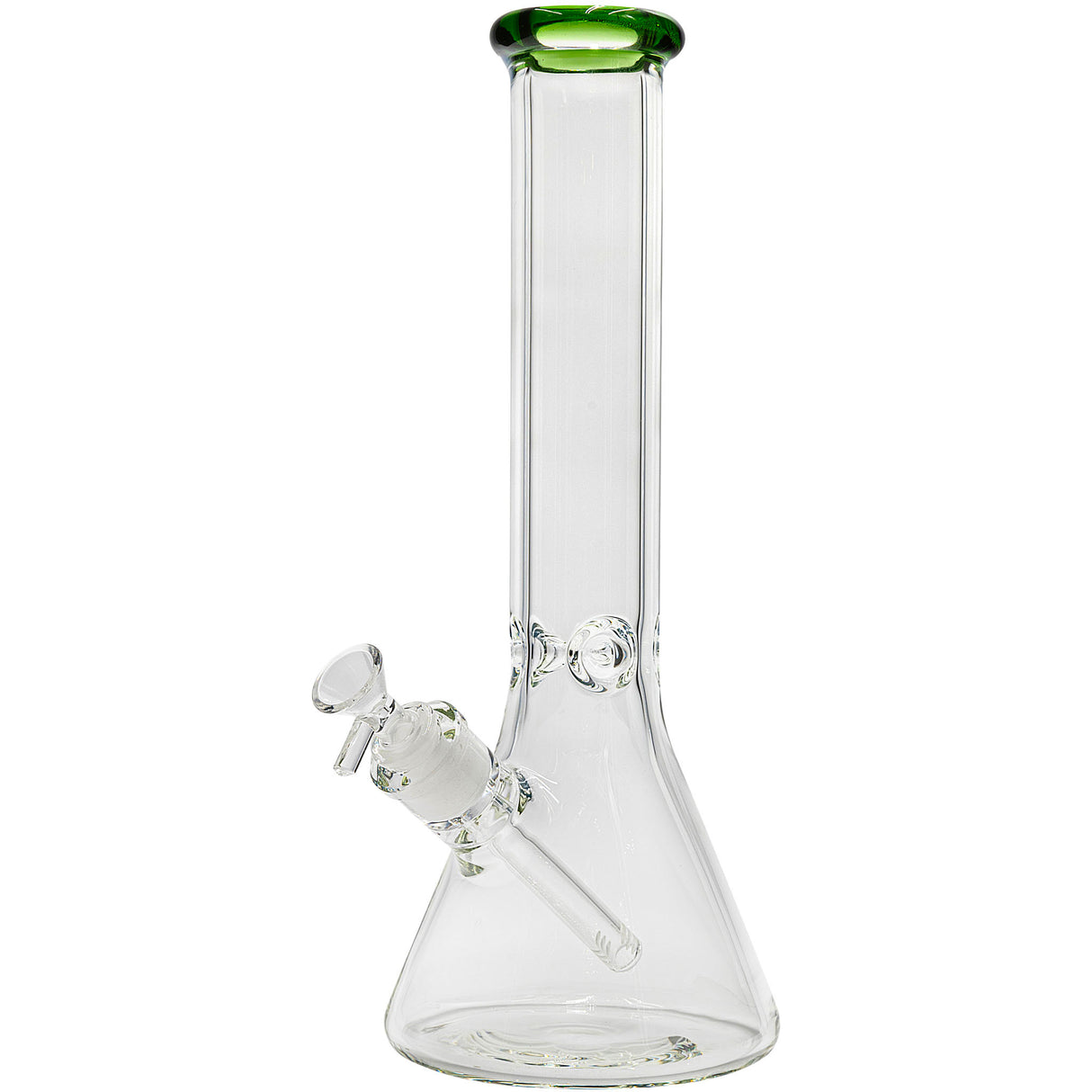
10-inch height · Heavy glass construction · Beaker base for stability and volume
This 10-inch heavy glass beaker bong offers robust construction and effective water filtration at an accessible price point.
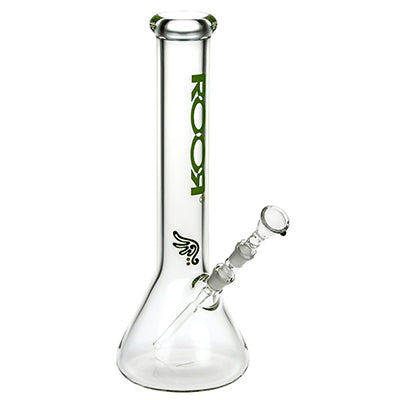
Iconic Roor design · High-quality borosilicate glass · Optimized airflow and filtration
The Roor Little Sista is a renowned choice for its exceptional craftsmanship and superior smoking experience, representing a benchmark in quality glass water pipes.

Mini portable design · Suitable for tobacco use · Compact for home or travel
This AGFYLIFE mini hookah set provides a portable and convenient option for enjoying tobacco, ideal for users prioritizing discretion and ease of transport.

3-piece set · 110mm straight glass tubes · Designed for air drying applications
This set of three 110mm straight glass tubes is engineered for efficient air drying, suitable for laboratory or scientific applications requiring precise material handling.

10-inch height · Heavy glass construction · Beaker base for stability and volume
This 10-inch heavy glass beaker bong offers robust construction and effective water filtration at an accessible price point.
As an Amazon Associate I earn from qualifying purchases. Prices may vary.
Percolator Power: Which Type is Right for You?
We’ve touched on different percolator types, but let’s dive deeper. The choice of percolator significantly impacts the smoking experience, influencing both filtration and drag. Understanding these differences is vital for selecting a bong that matches your preferences.
Honeycomb percolators are known for their extensive diffusion. The numerous small holes create a large surface area for the smoke to pass through, resulting in a highly filtered and cooled hit. However, this increased filtration can also lead to a more restricted airflow, requiring more effort to inhale. This is ideal for those prioritizing smoothness over ease of inhalation.
Tree percolators offer a balance between filtration and airflow. The central tube with branching arms provides ample diffusion while maintaining a relatively open airway. This makes them a versatile option suitable for a wide range of smokers. They’re a good choice if you want a smooth hit without excessive drag.
Inline percolators are the simplest type, consisting of a tube with slits or holes. They provide decent filtration but generally offer less diffusion than honeycomb or tree percolators. They’re a good option for those who prefer a more direct and potent hit. I've noticed that some users find inline percs provide better flavor retention.
Cleaning & Maintenance: Keeping Your Bong Pristine
Regular cleaning is paramount for maintaining the performance and hygiene of your glass bong. Resin buildup not only affects the flavor but can also restrict airflow and harbor bacteria. A dirty bong simply doesn’t deliver the same enjoyable experience.
The most common cleaning method involves isopropyl alcohol and coarse salt. Fill the bong with isopropyl alcohol (91% or higher is recommended), then add a generous amount of coarse salt. Swirl the mixture vigorously to dislodge resin. Let it sit for at least 30 minutes, then rinse thoroughly with hot water. Ensure all traces of alcohol are removed before use.
Specialized bong cleaners are also available, offering a convenient and effective alternative. These cleaners often contain non-toxic formulas designed to dissolve resin without damaging the glass. Follow the manufacturer’s instructions carefully. Hot water alone can help loosen some resin, but it’s generally not sufficient for a thorough cleaning.
Pay attention to hard-to-reach areas, such as the downstem and percolator. Use pipe cleaners or small brushes to scrub away stubborn residue. Thorough rinsing is crucial to remove all traces of cleaning agents, as these can be harmful when inhaled. A clean bong is a happy bong.
- Fill with isopropyl alcohol and salt.
- Swirl vigorously for 30 minutes.
- Rinse thoroughly with hot water.
- Repeat as needed.
Bong Standouts: Pieces Worth a Second Look
From the roundup, two pieces particularly stood out for their combination of value and design. The HONEYcomB Perc Bong by PieceMaker is a standout for its exceptional filtration at an incredibly competitive price. While the design is relatively simple, the performance is undeniable.
The Hammerhead by Shop Burning Love deserves attention for its artistic flair and robust construction. While it’s at the higher end of the $200 budget, the unique percolator design and thick glass make it a worthwhile investment for those seeking a statement piece. It’s not just a bong; it’s a conversation starter.
These pieces represent the best of what the under-$200 market has to offer: quality construction, innovative features, and a touch of personality. They demonstrate that you don’t need to spend a fortune to enjoy a truly elevated smoking experience.
No comments yet. Be the first to share your thoughts!