
Bong Basics: Glass Types Explained
A bong is a filtration device used for smoking, and it’s been around in various forms for centuries. Essentially, you’re combusting material and bubbling the smoke through water to cool and filter it before inhalation. People use bongs for a smoother, more enjoyable smoking experience compared to other methods. But not all bongs are created equal, and a big part of the difference comes down to the glass itself.
When we talk about bong glass, we're primarily talking about two types: borosilicate and soft glass. Soft glass has been the traditional material for a long time because it’s easier and cheaper to work with. However, over the last couple of decades, there’s been a significant shift towards borosilicate glass, and for good reason. It really comes down to durability and heat resistance.
The distinction isn't necessarily about the shape of the bong – percolators, designs, and sizes all come later. It's about the fundamental material the bong is made from. Think of it like building with different types of wood; some are sturdy, some are fragile. Understanding these basic glass types is the first step to finding the right bong for you.
Borosilicate Glass: The Gold Standard
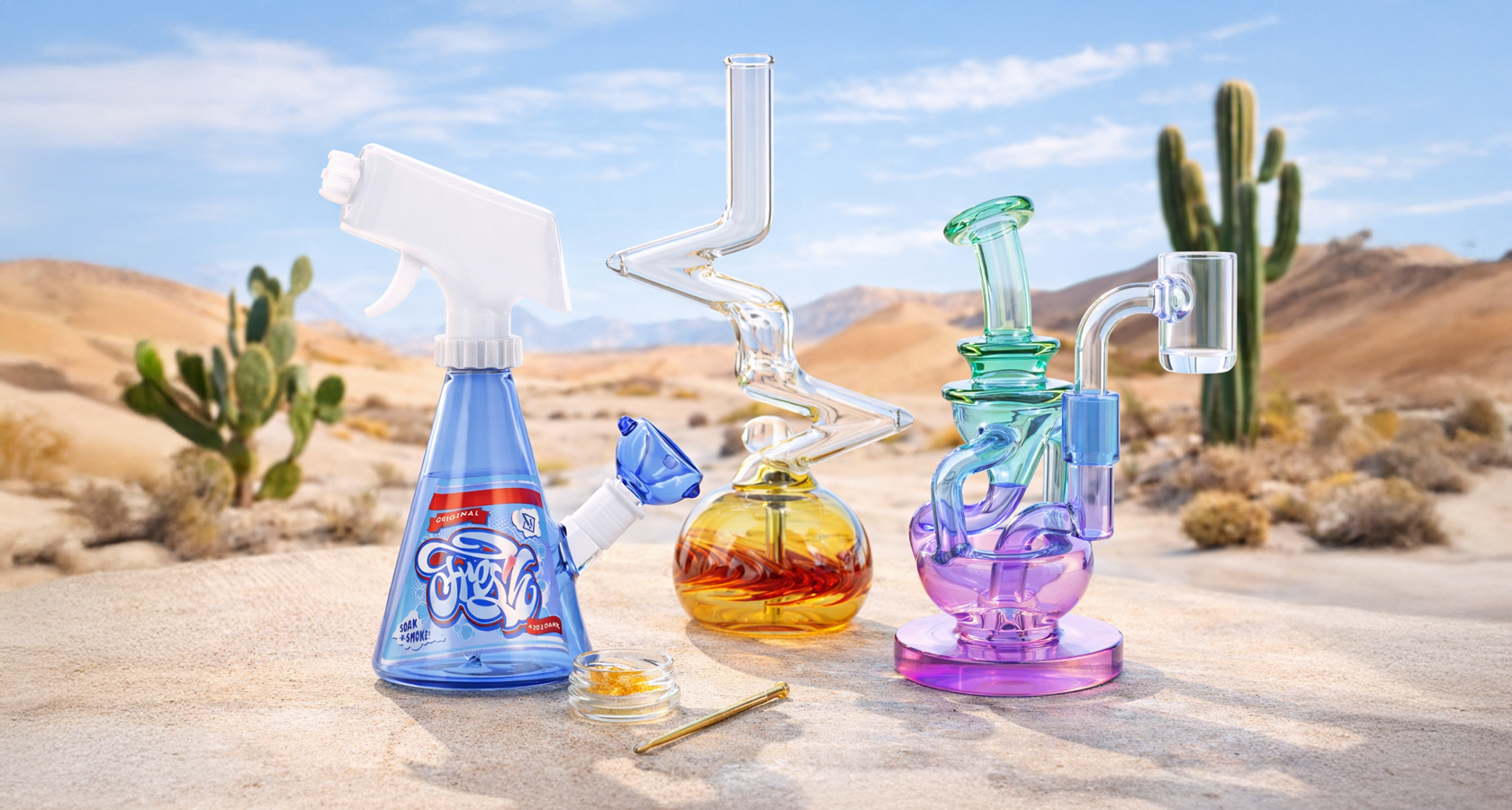
Borosilicate glass is a type of glass containing boron trioxide, which gives it a much lower coefficient of thermal expansion compared to regular "soft" glass. What does that mean? It means borosilicate glass is far more resistant to cracking or shattering when exposed to sudden temperature changes. You can go from hot to cold (or vice-versa) with much less risk of damage.
This isn't a material invented for smoking; it’s widely used in laboratory glassware, ovenware like Pyrex, and even some high-end cookware. That should tell you something about its strength and reliability. It can withstand high temperatures and isn’t easily affected by most chemicals. This inherent durability translates directly to a longer-lasting bong.
Of course, all this quality comes at a price. Borosilicate glass is more expensive to produce than soft glass because it requires a more complex manufacturing process and higher-quality raw materials. But many smokers feel the added cost is justified by the increased durability and peace of mind. You're investing in a product that will likely withstand more wear and tear.
Soft Glass: Budget-Friendly, But…
Soft glass, also known as soda-lime glass, is the more traditional and affordable option. It's easier to manipulate, making it cheaper to produce and allowing for more intricate designs at a lower cost. This is why you’ll find a lot of lower-priced bongs made from soft glass.
However, its lower cost comes with some significant drawbacks. Soft glass is much more susceptible to thermal shock – meaning it can crack or shatter easily if exposed to rapid temperature changes. Even pouring hot water into a cold bong can be risky. It’s also more porous, which means it can potentially retain flavors from previous sessions, and some people report a slight metallic taste over time.
That doesn’t mean soft glass bongs are bad. They can be perfectly fine for occasional use, or for someone who is just starting out and doesn’t want to invest a lot of money. But if you’re a frequent smoker, or if you’re prone to accidents, a soft glass bong is likely to end up costing you more in the long run through replacements.
2026 Bong Reviews: Top Borosilicate Picks
Alright, let's get to the good stuff. Here are some of the top borosilicate bongs available in 2026, covering a range of price points and features. These selections are based on recent reviews from Rolling Stone and Gear Patrol, plus some additional options I’ve found that stand out.
High-End Option: Stoned Immaculate Beaker Bong ($250 - Grasscity.com) This is a beautifully crafted beaker bong with thick, durable borosilicate glass. It features a generous water chamber and a diffused downstem for excellent filtration. It's a statement piece, but also built to last. Best for: Experienced smokers who appreciate quality and aesthetics.
Mid-Range Marvel: Marley Natural Beaker Bong ($180 - rollingstone.com) Marley Natural consistently delivers quality, and their beaker bong is no exception. It’s made from durable borosilicate glass and features a removable downstem for easy cleaning. It’s a solid all-around performer. Best for: Daily smokers looking for a reliable and well-made bong.
Budget-Friendly Beauty: Hemper Tech Percolator Bong ($120 - Hemper.co) Hemper offers a good balance of quality and affordability. This percolator bong features a tree percolator for smooth hits and is made from borosilicate glass. It’s a great option for those on a tighter budget. Best for: Users who want a percolator bong without breaking the bank.
Unique Design: Piecewater Bubbler ($150 - Piecewater.com) While technically a bubbler, Piecewater uses high-quality borosilicate glass and a unique filtration system that delivers incredibly smooth hits. It’s a more portable option than a traditional bong. Best for: Users who want a discreet and highly effective smoking experience.
Straightforward & Sturdy: Smoke Cartel Honeycomb Perc Bong ($160 - smokecartel.com) Smoke Cartel is a trusted name in the smoking accessories world. This bong features a honeycomb perc, known for its effective filtration, and is constructed from thick borosilicate glass. Best for: Those who prioritize filtration and durability.
Artistic Flair: Grav Labs Sherlock Beaker ($220 - Gravlabs.com) Grav Labs is known for its innovative designs and high-quality glass. The Sherlock Beaker combines a classic beaker shape with a unique Sherlock Holmes-inspired twist. Best for: Smokers who appreciate artistry and functionality.
Simple & Effective: Puff Puff Pass Beaker Bong ($90 - puffpuffpass.com) For a more basic, yet reliable option, the Puff Puff Pass Beaker Bong delivers. It’s made from solid borosilicate glass and provides a clean, smooth smoking experience. Best for: Those looking for a straightforward and affordable borosilicate bong.
Featured Products

10-inch beaker design · Heavy borosilicate glass · Includes 14mm bowl
A solid, budget-friendly option that delivers a great smoking experience.

10-inch beaker design · Heavy borosilicate glass · Includes 14mm bowl
A solid, budget-friendly option that delivers a great smoking experience.
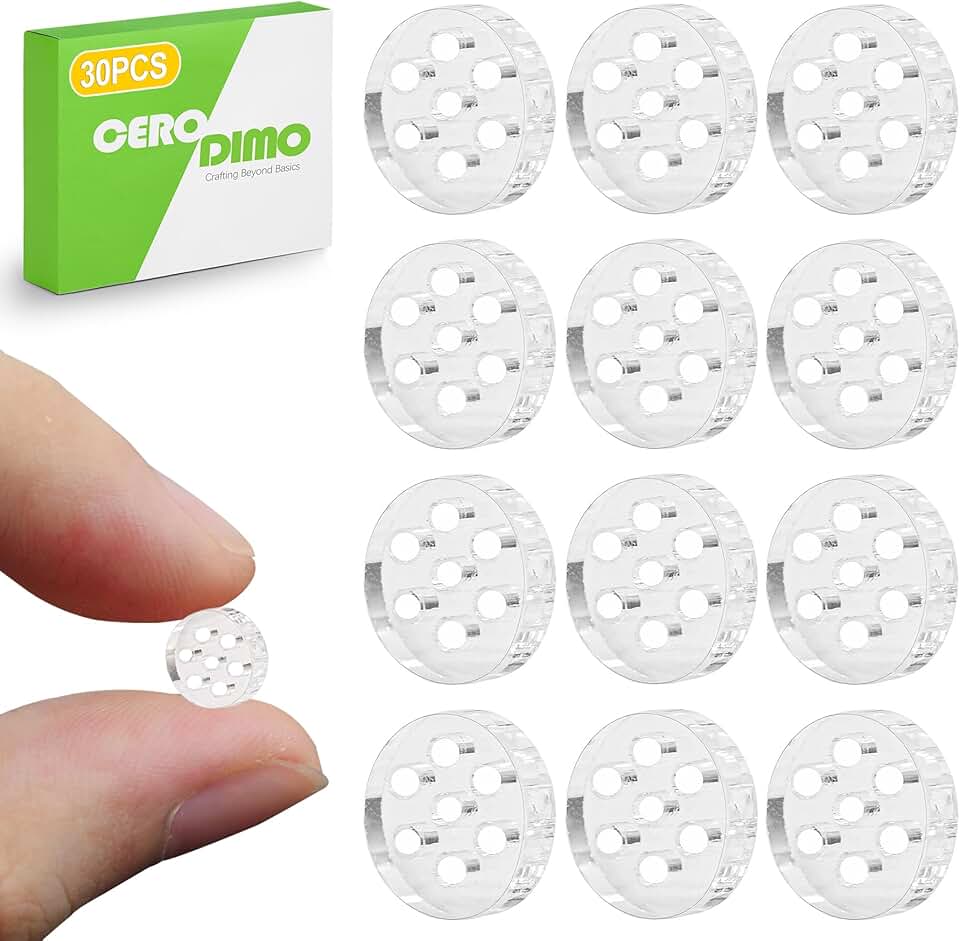
30-pack of 8mm glass screens · High-borosilicate glass · Honeycomb design with 7 holes
An essential and affordable accessory for maintaining your smoking devices.
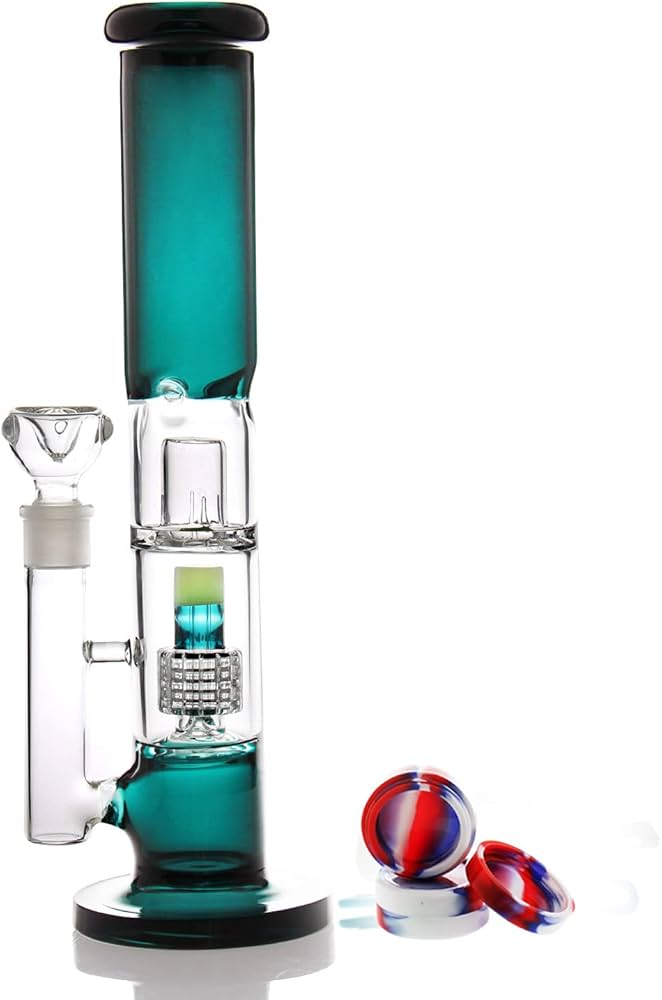
14-inch beaker base · Showerhead percolator for smooth hits · Premium borosilicate glass construction
A premium borosilicate option offering superior filtration and a refined smoking experience.
10-inch beaker design · Heavy borosilicate glass · Includes 14mm bowl
A solid, budget-friendly option that delivers a great smoking experience.
As an Amazon Associate I earn from qualifying purchases. Prices may vary.
Budget Borosilicate: Are They Worth It?
You can find borosilicate bongs for under $100, but it’s essential to understand what you’re sacrificing. Typically, these cheaper options will have thinner glass, simpler designs, and less attention to detail in the manufacturing process. They might not be as visually appealing, and they're likely to be more fragile than their higher-priced counterparts.
However, a budget borosilicate bong is still a significant upgrade over soft glass. You’re still getting the benefits of heat resistance and durability, even if it’s not at the same level as a premium model. If you’re careful with it, a $50-$80 borosilicate bong can be a good entry point into the world of high-quality smoking accessories.
Don't expect the same level of craftsmanship or longevity as a $200+ bong. But for occasional use or for someone who's prone to clumsiness and wants a more robust option than soft glass, a budget borosilicate bong can be a worthwhile investment.
Percolation & Features: Beyond the Glass
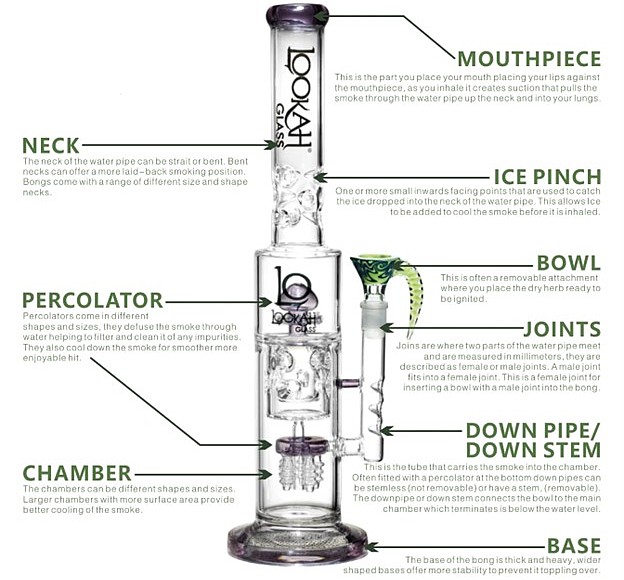
The glass material is important, but the internal features of a bong also play a huge role in the smoking experience. Percolation is the process of bubbling the smoke through water, and different percolation types offer different levels of filtration and smoothness. Tree percolators are common and effective, while honeycomb percs provide even more diffusion.
Swiss percs are known for their intricate design and smooth hits, but they can be harder to clean. Other features to consider include ice catches, which cool the smoke even further, and splash guards, which prevent water from splashing into your mouth. Bowl types also matter – some bowls are designed for dry herb, while others are optimized for concentrates.
The interaction between these features and the glass material is key. A high-quality borosilicate bong with a well-designed percolator will deliver a far superior smoking experience than a cheap soft glass bong with a basic design. Consider what features are important to you and choose a bong that combines those features with durable borosilicate glass.
Care & Maintenance: Keeping Your Bong Clean
Regular cleaning is essential for both borosilicate and soft glass bongs. Resin buildup can affect the taste of your smoke and reduce the efficiency of the bong. For both types of glass, isopropyl alcohol (91% or higher) and coarse salt are your best friends. Pour the alcohol and salt into the bong, seal the openings, and shake vigorously. Rinse thoroughly with warm water afterward.
Soft glass is more susceptible to scratching, so be gentle when cleaning it. Borosilicate glass is more durable and can withstand more aggressive scrubbing. There are also specialized bong cleaning solutions available, but isopropyl alcohol and salt are often just as effective. Always allow the bong to dry completely before using it.
To avoid breaking your bong, handle it with care and avoid dropping it. Don't subject it to sudden temperature changes, especially if it’s made of soft glass. A little preventative maintenance will go a long way in extending the life of your bong.
Long-Term Cost: Borosilicate vs. Replacement
Let’s talk about the bottom line. A decent soft glass bong might cost $30-$50, but if you break it (and you likely will, with regular use), you’ll need to replace it. Let's say you break one every six months. Over two years, you’d spend $120-$200 on replacements.
A good borosilicate bong might cost $150-$250 upfront. But if you take care of it, it could easily last for several years. Even if you do break it, the chances are lower than with soft glass. Over the same two-year period, a single borosilicate bong could save you money, even with the higher initial cost.
Consider it an investment. While the initial outlay is higher, the long-term durability and reduced replacement costs make borosilicate glass a more economical choice for frequent smokers. It’s not just about the price tag; it’s about the value you get over time.
Borosilicate vs. Soft Glass Bongs: A Quick Comparison
| Feature | Borosilicate Glass 🧪 | Soft Glass 💧 |
|---|---|---|
| Durability | High | Low |
| Heat Resistance | High | Medium |
| Taste | Medium | Medium |
| Initial Cost | Medium-High | Low |
| Long-Term Cost | Low | Medium-High |
| Cleaning Difficulty | Medium | Low |
| Resistance to Cracking | High | Low |
| Weight | Medium | Light |
Illustrative comparison based on the article research brief. Verify current pricing, limits, and product details in the official docs before relying on it.
No comments yet. Be the first to share your thoughts!