
Vaporizer 2024 budget
The Cannabis Gear Upgrade works best when the purchase path is explicit. Verify the source, compare the offer against real alternatives, check the total cost, and confirm what happens after payment before you decide. After each comparison, write down the one risk that would change your mind. If the seller, condition, support, warranty, shipping, or upkeep still feels uncertain, resolve that question before moving to checkout.
The simplest way to use this section is to verify the seller, compare the total cost, and resolve the biggest risk before you commit.
Shortlist real options
Use this section to make the The Cannabis Gear Upgrade decision easier to compare in real life, not just on paper. Start with the reader's actual constraint, then separate must-have requirements from details that are merely nice to have. A practical choice should survive normal use, maintenance, timing, and budget. If a recommendation only works in an ideal situation, call that out plainly and give the reader a fallback path.
| Factor | What to check | Why it matters |
|---|---|---|
| Fit | Match the option to the primary use case. | A good deal still fails if it does not fit the job. |
| Condition | Verify age, wear, and service history. | Hidden condition issues erase upfront savings. |
| Cost | Compare purchase price with likely upkeep. | The cheapest option is not always the lowest-cost option. |
Inspect the expensive parts
Dry herb vaporizers are precision instruments where a single failing component can render a $400 device useless. Rather than replacing the entire unit when performance drops, check these specific high-wear areas first. Most "broken" vaporizers are simply suffering from clogged airflow or depleted seals.
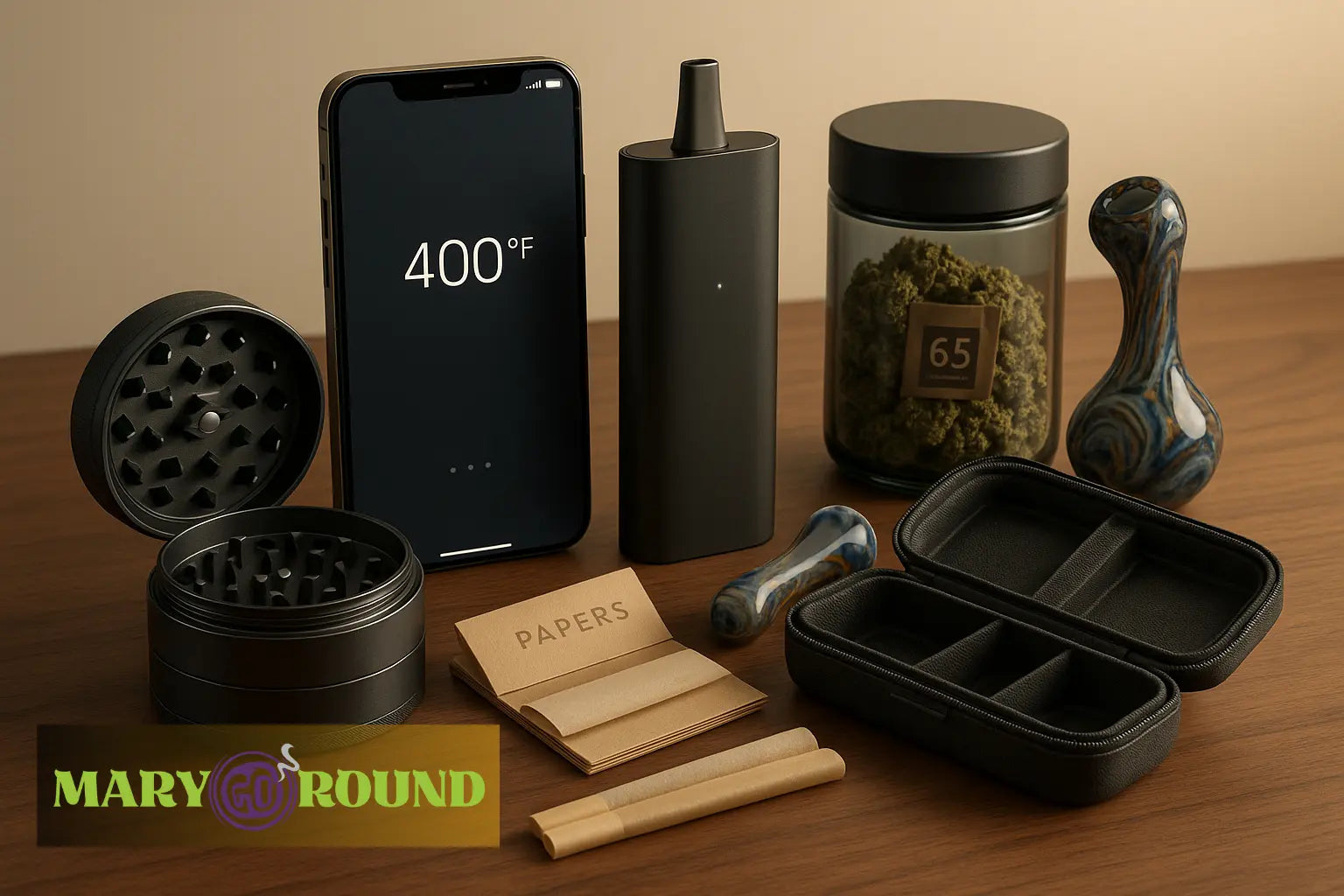
Residue buildup insulates the heating element, causing uneven vapor production and burnt tastes. Use a dedicated brush or cotton swab with 91%+ isopropyl alcohol to scrub the chamber walls and screen. Let it dry completely before packing fresh herb.

A loose or cracked mouthpiece gasket causes vapor leaks, drastically reducing potency and battery efficiency. Inspect the silicone O-ring for cracks or deformation. Most brands sell replacement gasket kits for under $10, which is far cheaper than a new device.

In portable units, the air valve stem is the most common point of mechanical failure. If the draw feels stiff or air bypasses the heater, the stem may be misaligned or clogged with debris. Gentle cleaning with a thin tool can often restore smooth airflow without replacement.

Oxidized battery contacts prevent the device from charging or maintaining temperature. Wipe the metal contacts on both the device and the battery with a dry cloth or a small amount of alcohol. If the battery is removable, check for corrosion that might require professional service.
Performing these checks takes less than ten minutes but can extend the life of your vaporizer by years. If the device still fails to heat after cleaning these parts, the heating element itself has likely failed, signaling it is time to consider an upgrade.
Plan for ownership costs
Buying a dry herb vaporizer is the easy part. The real financial test happens months later, when maintenance supplies, replacement parts, and battery degradation start adding up. A $100 device might look like a bargain until you realize the heating element or mouthpiece needs replacing every six months, while a $400 unit is built to last years with basic care.
The biggest hidden cost for most users is the battery. Lithium-ion cells degrade over time, and replacing them on mid-range units can cost as much as buying a new entry-level device. Premium models like the Mighty+ or Arizer Solo 3 v2.0 are designed with replaceable batteries or superior longevity, meaning you aren’t forced into a premature upgrade cycle just because your power source died.
Cleaning and accessories also factor into the total cost of ownership. Herbal residue builds up in the airflow channels and heating chamber, requiring regular cleaning kits or specialized brushes. If you choose a device with complex internal structures, you may need to buy replacement seals or o-rings to maintain vapor quality and prevent air leaks.
When evaluating a vaporizer, look past the sticker price. Check the manufacturer’s warranty terms, the availability and cost of replacement parts, and the expected lifespan of the battery. A slightly higher upfront cost often pays for itself by eliminating the recurring expense of repairs and early replacements.
Vaporizer 2024: what to check next
Choosing the right dry herb vaporizer often comes down to balancing vapor density, flavor preservation, and battery life. The market has shifted toward hybrid heating systems that offer both convection and conduction, allowing users to customize their experience. Below are answers to the most common practical questions before you buy.
No comments yet. Be the first to share your thoughts!