
Beyond jars
Remember that feeling? You’ve carefully curated a strain, excited for the evening, only to find it’s…not quite right. Dry, lacking aroma, the effects diminished. It’s a frustration every cannabis consumer has likely experienced. For a long time, the solution was simple: a glass jar, maybe a zip-lock bag. These worked, to a point, but as the industry matures, so do our expectations – and our storage needs.
Mason jars and Ziplock bags were the standard for decades because they were available. As more states legalize, we're seeing a shift toward gear built for the plant itself. Good storage is about keeping the flower fresh, not just hiding it from view.
This isn't just about convenience; it’s about respecting the plant and maximizing your investment. The "cannabis storage revolution" is driven by a desire to protect potency, preserve flavor profiles, and ultimately, enhance the overall experience. We're moving beyond basic containment towards intelligent systems that actively work to maintain optimal conditions.
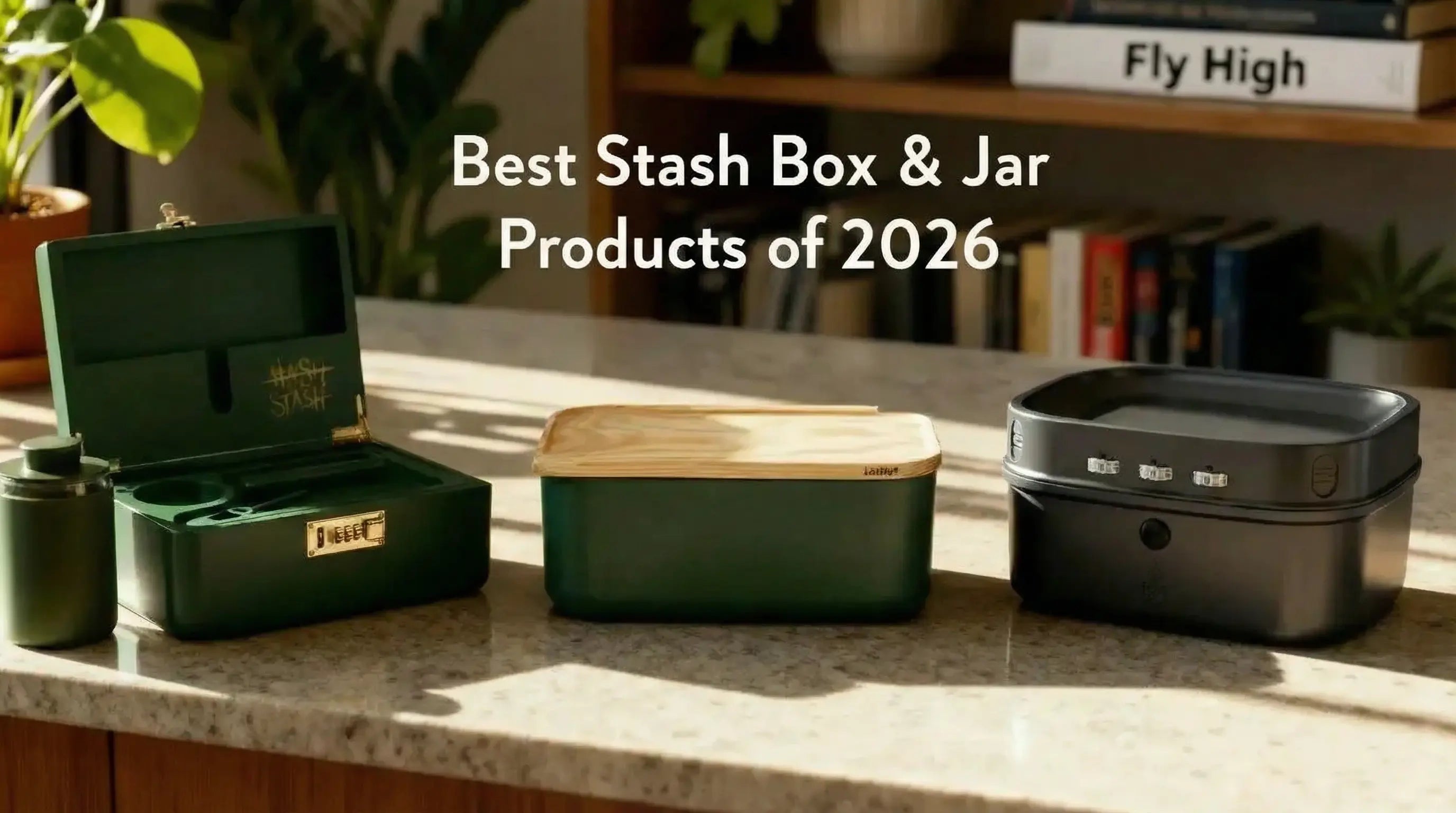
Why flower degrades
Cannabinoids and terpenes are unstable. Light, air, and heat break them down, which kills the potency and flavor. It is like a cut apple turning brown; the flower loses its 'crispness' and chemical punch if left out.
Specifically, oxidation is a major culprit. When exposed to air, cannabinoids like THC degrade into CBN, which has different effects. Terpenes, responsible for the aroma and many of the therapeutic benefits, are even more volatile. Heat accelerates these processes, while UV light can directly damage cannabinoid structures. This is why that bud you left on the dashboard doesn't smell or feel the same.
Different strains react differently. Those high in myrcene, for example, might degrade more quickly than strains dominant in limonene. It's not a simple 'one size fits all' situation. Maintaining optimal storage conditions isn’t just about preserving the product; it’s about protecting the specific characteristics that made you choose that strain in the first place. You're safeguarding the experience, not just the quantity.
Humidity packs and glass
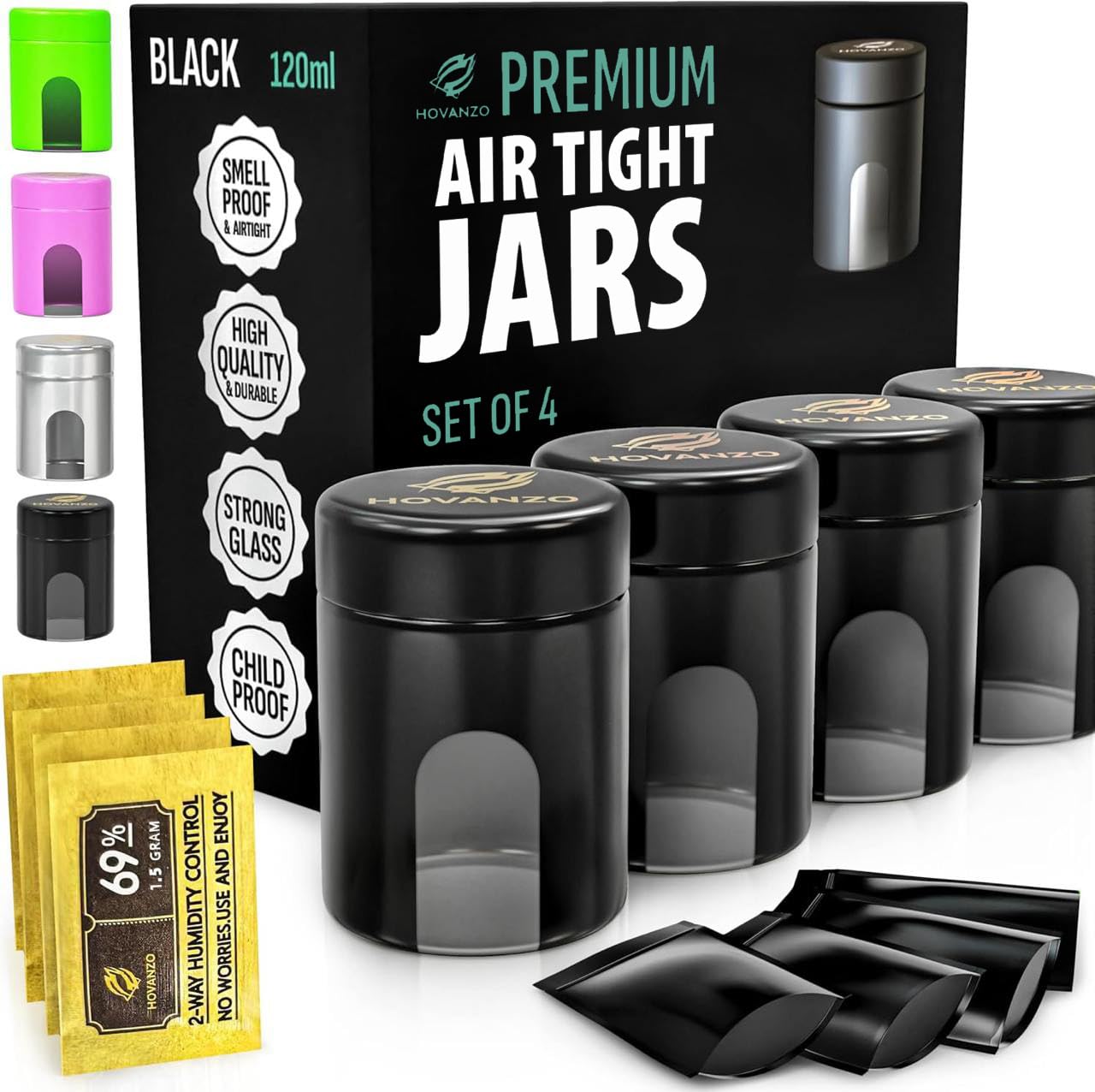
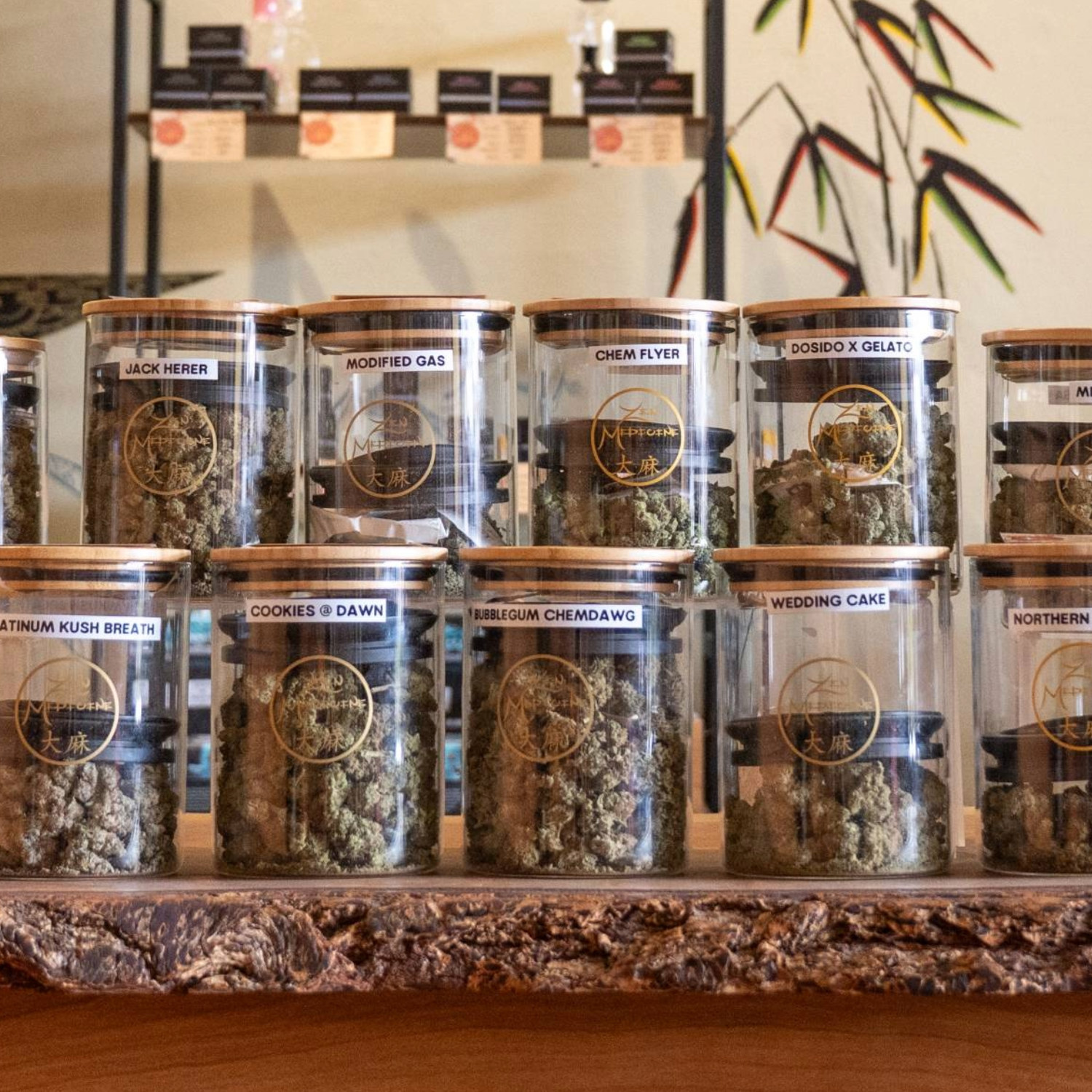
For years, glass jars were the gold standard, and they still hold a place in many smokers’ arsenals. The key is airtightness. A properly sealed jar minimizes exposure to air, slowing down oxidation. However, jars alone don’t address humidity, which is equally important. Too little humidity leads to dryness and brittleness, while too much encourages mold growth.
This is where humidity control packs, like those from Boveda, come into play. These packs contain a proprietary blend of salts and water, designed to maintain a specific relative humidity (RH) level within a sealed container. The science is elegant: they utilize a two-way humidity control system, adding moisture if the environment is too dry, and absorbing it if it’s too humid.
Common mistakes are surprisingly frequent. People often assume more is better when it comes to humidity packs, leading to overly humid environments. A typical range for flower storage is between 55% and 65% RH. Using a calibrated hygrometer to monitor humidity levels is essential, as inaccurate readings can lead to improper storage. Don't rely solely on the pack's indicator; verify it with a separate device.
Beyond jars and packs, consider the material of the container. Dark glass offers better UV protection than clear glass. Stainless steel is another good option, though it won't allow you to visually inspect the contents. The goal is to create a stable, controlled microclimate for your cannabis.
- Keep humidity between 55% and 65% RH
- Jar Material: Dark glass or stainless steel
- Essential Tool: Calibrated hygrometer
Smart containers
The next step in cannabis storage is automation and optimization. "Smart" containers, like those offered by Tulip, aim to take the guesswork out of the equation. These containers typically feature airtight seals, UV protection, and integrated humidity sensors. Some even offer temperature control, though this is less common.
Tulip’s containers, for example, are designed with both form and function in mind. They prioritize airtightness and UV protection to preserve bud quality. The appeal lies in the combination of aesthetically pleasing design with technology focused on preservation. These aren’t just storage boxes; they’re display cases that actively protect your investment.
Many smart containers connect to smartphone apps, allowing you to monitor humidity and temperature levels remotely. Some offer data logging, tracking storage conditions over time. This can be particularly useful for long-term storage or for those who want to experiment with different humidity levels to find what works best for specific strains.
However, there are drawbacks. The added technology comes at a cost – smart containers are generally more expensive than traditional jars. There’s also the potential for app glitches or connectivity issues. And, of course, the reliance on technology might not appeal to everyone. It’s a trade-off between convenience and simplicity.
Security and smell
Beyond preservation, security and odor control are critical considerations. Whether you’re a medical patient protecting a limited supply or a recreational consumer, you want to keep your cannabis safe and discreet. This goes beyond simply hiding it under the bed.
For enhanced security, consider using combination locks or biometric locks on dedicated storage containers or safes. These offer an extra layer of protection, especially if you have children or roommates. The level of security you need will depend on your individual circumstances and local regulations.
Smell-proofing is equally important, especially in areas where cannabis consumption is still prohibited or stigmatized. Smell-proof bags and containers utilize carbon filter technology to absorb odors. The effectiveness varies widely depending on the quality of the materials and the design of the container. Double-bagging can provide an extra layer of odor control.
It’s also important to be aware of the legal implications of secure storage. Some jurisdictions have specific requirements for storing cannabis, particularly for medical patients. Always check your local laws to ensure you’re in compliance.
- Combination Locks
- Biometric Locks
- Carbon filter bags for travel
Long-term storage
What if you’re looking to store cannabis for an extended period – six months, a year, or even longer? Standard jars and humidity packs might not be sufficient. For truly long-term storage, more advanced techniques are required.
Vacuum sealing removes oxygen, slowing down oxidation significantly. However, it's crucial to ensure the container is completely airtight. Nitrogen flushing replaces the air inside the container with an inert gas, further minimizing degradation. Cold storage, while effective, requires a consistent temperature and can be expensive.
However, these methods aren’t without challenges. Maintaining optimal conditions over extended periods requires careful monitoring and control. Cannabinoids can also convert over time – THC can slowly degrade into CBN, altering the effects. It’s a complex process, and the results can be unpredictable.
For the average consumer, these techniques might be overkill. But for those looking to preserve a particularly special strain or a large harvest, they can be worthwhile investments. The key is careful planning and a commitment to maintaining optimal storage conditions.
Storage in 2026
By 2026, storage will likely link up with smart home systems. I expect to see containers that adjust internal temp and humidity based on the specific strain you scan into an app.
Personalized humidity control will likely become the norm. Instead of relying on generic humidity packs, we’ll see systems that can be tailored to the specific needs of each strain. AI-powered storage solutions could analyze data on cannabinoid profiles and environmental conditions to optimize storage parameters.
Sustainability will also be a key driver of innovation. Biodegradable or compostable storage options will gain traction as consumers become more environmentally conscious. We might see packaging made from hemp-based materials or other renewable resources.
While these are just predictions, the direction is clear: cannabis storage is becoming more sophisticated, more personalized, and more sustainable. The future of storage is about actively preserving the plant’s unique characteristics and maximizing the consumer experience.
What's the most important feature you look for in cannabis storage?
With smart containers and advanced humidity systems hitting the market in 2026, we want to know what matters most to you when it comes to keeping your stash fresh. Vote below!
No comments yet. Be the first to share your thoughts!