
Beyond Jars: The State of Cannabis Storage
Cannabis storage has evolved significantly. What was once a simple mason jar is now being replaced by advanced solutions. This evolution is driven by the need to protect cannabis quality and enhance the user experience, moving beyond just discretion to actively preserve potency, flavor, and overall quality.
Early storage relied on basic airtight containers, offering little environmental control. Today's market offers sophisticated smart containers and humidity control packs, reflecting a deeper understanding of cannabis's delicate nature.
Proper storage is crucial for preserving cannabis quality. Air, light, and temperature fluctuations degrade cannabinoids like THC and CBD. Mold and mildew also pose risks, rendering cannabis unusable. Investing in good storage protects your product.
The Humidity Problem: Why It Matters
Humidity is the most critical factor in cannabis storage. Excess moisture breeds mold and bud rot, while too little dries cannabis, degrading terpenes responsible for aroma and flavor. Maintaining correct humidity preserves the full cannabis experience.
The ideal humidity range is a starting point. For short-term storage (weeks to a month), aim for 62-70% relative humidity. For longer-term storage, 55-65% can slow degradation. Strains vary, and personal preference matters; experimentation is key.
Terpenes, responsible for cannabis aroma and flavor, are volatile and degrade quickly with improper storage. Preserving them enhances enjoyment and contributes to therapeutic effects alongside cannabinoids. Optimal humidity directly impacts cannabis quality.
Humidity also affects cannabinoids. Dryness can degrade THC into CBN, reducing potency and increasing sedation. Proper humidity control keeps cannabinoids active longer.
- Short-term storage (weeks): 62-70% relative humidity
- Long-term storage (months): 55-65% relative humidity
- Monitor regularly: Use a hygrometer to track humidity levels
- Adjust as needed: Use humidity control packs to maintain the desired range
Impact of Humidity Levels on Cannabis Quality
| Humidity Level | Cannabinoid Potency | Terpene Profile | Texture | Mold Risk |
|---|---|---|---|---|
| Too Low (Below 45% RH) | Cannabinoids can become brittle and may experience some degradation over extended periods, though the effect is generally slower than with excessive moisture. Loss of potency is more pronounced with prolonged, very dry storage. | Volatile terpenes evaporate more rapidly, leading to a noticeable loss of aroma and flavor. This results in a less complex and potentially muted experience. | Bud becomes excessively dry, crumbly, and fragile. Handling can cause significant trichome loss, reducing stickiness and overall quality. | Very low, as mold requires moisture to grow. However, extreme dryness can make the bud more susceptible to crumbling and physical damage, indirectly increasing vulnerability to contamination. |
| Ideal (59-63% RH) | Cannabinoid potency is best preserved within this range, minimizing degradation and maintaining the flower’s chemical composition. This is the sweet spot for long-term storage. | Terpene preservation is optimal, allowing for the fullest expression of aroma and flavor. The complex bouquet of the cannabis strain is maintained. | Bud maintains a pleasant, slightly tacky texture, indicating optimal moisture content. It is pliable and holds its shape well. | Mold risk is minimal, as the humidity level is insufficient to support significant fungal growth, yet high enough to prevent excessive dryness. |
| Too High (Above 65% RH) | Prolonged exposure to high humidity can lead to cannabinoid degradation, particularly THC, reducing the overall potency of the flower. The rate of degradation increases with higher humidity and temperature. | Terpenes can be leached out by excess moisture, altering the aroma and flavor profile. Some terpenes may also degrade, leading to off-putting scents. | Bud becomes overly moist and sticky, potentially developing a slimy texture. This can lead to difficulty in grinding and rolling. | Significantly increased risk of mold and mildew growth, particularly *Botrytis cinerea* (bud rot). This can render the cannabis unusable and potentially harmful. |
Illustrative comparison based on the article research brief. Verify current pricing, limits, and product details in the official docs before relying on it.
Smart Containers: Tech Meets Terps
The latest innovation is the 'smart' container, featuring built-in hygrometers, Bluetooth, and mobile app control for precise and convenient storage.
Tulip containers let users monitor humidity and temperature via smartphone. Some models automatically regulate humidity using a rechargeable device, appealing to consumers seeking perfect storage.
Smart containers are expensive and may not be a game-changer for everyone. Benefits are greatest for those storing large quantities or sensitive to nuanced flavors. Convenience is high, but the price is a barrier.
The technology is impressive, but long-term reliability and replacement part costs are unknown. A smart container's effectiveness depends on its sensors and stability. It won't fix poor storage habits.
Humidity Control: Beyond the Container
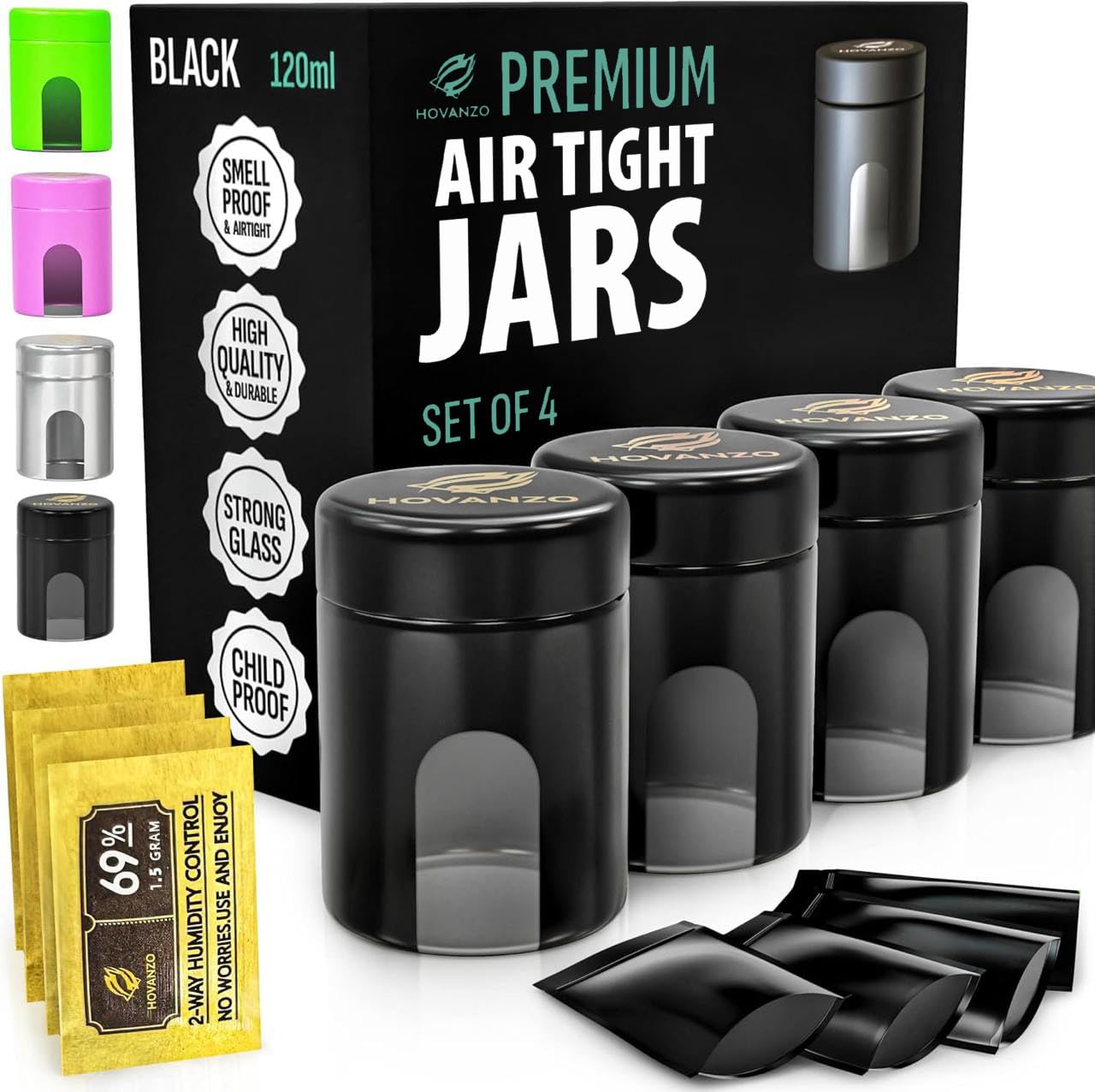
Standalone humidity control solutions offer a cost-effective alternative to smart containers. Boveda and Integra Boost packs use a two-way system to release or absorb moisture, maintaining a consistent environment.
Choosing the right pack size for your storage volume is key. Manufacturers provide guidelines. Too few packs lead to inadequate control; too many cause excessive moisture.
Reusable silica gel packs absorb moisture but offer less precise control than two-way packs. They require regular drying and only prevent excess humidity, not maintain a specific range.
These packs require more manual monitoring than smart solutions but are cheaper and more accessible. The trade-off between convenience and cost is often worthwhile.
- Boveda/Integra Boost: Two-way humidity control, reliable, easy to use
- Silica Gel: One-way moisture absorption, requires regular drying, less precise
Material Matters: Glass, Plastic, and Beyond
Container material significantly impacts cannabis quality. Glass is the gold standard: airtight, non-reactive, and chemical-free. It's fragile and can be expensive, but dark glass offers UV protection.
Plastic containers are lightweight, durable, and affordable but can leach chemicals, affecting flavor and aroma. They are less airtight than glass, allowing more air exchange. Low-quality plastics pose an off-gassing risk.
Stainless steel is durable and light-proof but expensive and opaque, making contents hard to see. It offers excellent UV protection.
Opaque containers are essential to protect cannabis from light, which degrades cannabinoids and terpenes, reducing potency and flavor. Store clear containers in a dark, cool place.
Cases and Travel: Storage on the Go
Specialized storage cases are essential for transporting cannabis. Smell-proof cases contain odors, padded interiors protect from damage, and locking mechanisms add security. Smoke Cartel offers various options.
Discreetness is key when traveling with cannabis, even in legal states. Avoid drawing attention and be aware of destination laws. Crossing state lines remains illegal due to federal prohibition. Always check local regulations.
Many travel cases feature combination locks, carbon filters for odor control, and accessory compartments. The best cases balance security, discretion, and convenience. Consider size, shape, durability, and ease of use.
- Smell-proof design: Essential for discreet travel
- Padded interior: Protects cannabis from damage
- Locking mechanism: Adds security
- Discreet appearance: Avoids unwanted attention
Future Trends: What’s Next in Cannabis Storage?
undefined voice commands or automated routines. Imagine a system that automatically adjusts humidity based on weather forecasts or your personal preferences.
More sophisticated humidity control systems are also on the horizon. We might see containers with micro-climate control, allowing users to create custom environments for different strains. Personalized storage solutions tailored to specific cannabinoid profiles could also become a reality.
Sustainability is another important consideration. The cannabis industry is increasingly focused on environmental responsibility, and that will extend to storage solutions. We can expect to see more biodegradable or compostable containers, reducing the environmental impact of cannabis consumption.
I'm not convinced we'll see any truly revolutionary breakthroughs soon, but incremental improvements in materials, technology, and design are inevitable. The focus will be on refining existing solutions and making them more accessible, affordable, and user-friendly. The goal remains the same: to preserve the quality and integrity of cannabis for as long as possible.
- Smart home integration: Remote control and automation
- Micro-climate control: Custom environments for different strains
- Sustainable materials: Biodegradable and compostable containers
- Personalized storage: Tailored to specific cannabinoid profiles
What's the most important feature you look for in cannabis storage?
The storage game is evolving fast. We want to know what matters most to you when choosing a container for your flower. Vote below and let us know your priority.
No comments yet. Be the first to share your thoughts!