
How we picked the best dry herb vapes
To select the top portable vaporizers for 2026, we tested dozens of devices over several months. Our evaluation focused on three core areas that directly impact your daily experience: heating technology, battery endurance, and build quality. We prioritized devices that deliver consistent flavor and reliable performance, avoiding products that fail under regular use.
Convection vs. conduction heating
Heating method defines the taste and efficiency of your session. Conduction vapes heat a metal chamber, which can scorch the herb if temperatures spike. Convection models pass hot air through the material, ensuring even vaporization without burning. We favored convection and hybrid designs for their ability to preserve terpene profiles and deliver cleaner flavor.
Battery life and charging
A portable vape is useless if it dies mid-session. We tested battery performance by running devices at average temperatures for extended periods. Long-lasting batteries allow for multiple sessions on a single charge, which is essential for travel or all-day use. Fast charging capabilities were also a priority, reducing downtime when you need to recharge quickly.
Build quality and materials
Durability matters for a device you carry in your pocket or bag. We examined the sturdiness of mouthpieces, the seal of the battery cap, and the resistance of internal components to drop damage. Devices made with high-grade plastics or aluminum lasted longer and maintained their performance over time. Cheap materials often lead to cracked mouthpieces or loose connections, ruining the experience.
Top portable dry herb vaporizers for 2026
Finding the right portable vaporizer means balancing heat consistency, battery life, and how well it fits in your pocket. The market has shifted toward hybrid heating systems that combine convection and conduction, delivering faster heat-up times without sacrificing flavor clarity. Below are the standout models defining this year’s portable category.
Storz & Bickel Mighty+ CW
The Mighty+ CW remains the benchmark for consistent vapor production. Its hybrid heating system ensures the entire chamber reaches the target temperature evenly, which is critical for avoiding harsh draws. The addition of the Cool Wall reduces heat transfer to the mouthpiece, allowing for longer, smoother sessions without discomfort. It is a heavier device, but the build quality and thermal stability justify the weight for home or car use.
PAX Plus
The PAX Plus is the most recognizable name in portable vaping, known for its sleek, minimalist design and reliability. It uses a conduction-based heating system that heats up in seconds, making it ideal for quick sessions on the go. The app integration allows for precise temperature control, helping users dial in specific terpene profiles. While the battery life is average compared to newer competitors, its ease of use and compact size make it a top choice for beginners.
Arizer Solo 3
The Arizer Solo 3 stands out for its all-glass vapor path, which preserves the purest flavor possible. It uses a unique air-cooling system that keeps the vapor cool even at higher temperatures, reducing throat irritation. The device is battery-powered but can also be plugged in for continuous use. Its robust build and excellent vapor quality make it a favorite among flavor chasers who don’t mind a slightly larger form factor.
Storz & Bickel Volcano Sticker
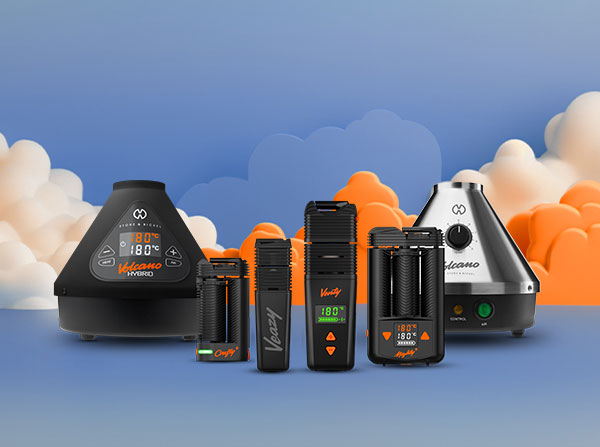
Although primarily known as a desktop unit, the Volcano Hybrid’s portable companion, the Volcano Sticker, is gaining traction for its power. It delivers the same robust heating performance as the desktop version in a portable form factor. The temperature control is highly precise, and the vapor path is easy to clean, maintaining flavor integrity over time. It is heavier than pocket-sized options but offers superior capacity for groups or heavy users.
Comparison of Portable Dry Herb Vaporizers
| Model | Heating Type | Battery Life | Weight | Best For |
|---|---|---|---|---|
| Storz & Bickel Mighty+ CW | Hybrid | ~60 mins | 1.1 lbs | Consistency & Cool Draw |
| PAX Plus | Conduction | ~45 mins | 0.8 lbs | Portability & Ease of Use |
| Arizer Solo 3 | Convection | ~90 mins | 1.2 lbs | Pure Flavor |
| Volcano Sticker | Convection | ~120 mins | 1.5 lbs | High Volume Sessions |
When selecting a portable vaporizer, consider how often you plan to use it and your priority: flavor purity, battery longevity, or sheer convenience. Each of these models excels in different areas, so match the hardware to your specific habits.
Conduction vs convection heating explained
The way a dry herb vaporizer heats your material determines the experience. The two main methods are conduction and convection, and each has distinct strengths depending on whether you prioritize flavor or efficiency.
Conduction heating relies on direct contact. The herb sits in a metal chamber or on a heating element, absorbing heat through physical touch. This method heats up quickly, making it ideal for fast sessions. However, uneven heating can sometimes lead to hot spots that scorch the plant material, resulting in a harsher taste.
Convection vaporizers take a different approach. They use hot air to pass through the ground herb, heating it evenly from all sides. This method generally preserves the terpene profile better, delivering a cleaner and more consistent flavor. The trade-off is that convection models often take longer to reach the target temperature and can be more expensive to manufacture.
If you prefer a quick, efficient session, a conduction device like the PAX Plus works well. For those chasing maximum flavor and even extraction, a pure convection unit like the Arizer Solo 3 offers a smoother experience.
How to load and use your vaporizer correctly
Getting the most out of your dry herb vaporizer comes down to technique. Proper loading, temperature selection, and inhalation method determine whether you get smooth, flavorful vapor or harsh, thin clouds. The following steps walk you through the process for devices like the PAX 3 or Storz & Bickel Mighty+.
Start by grinding your herb to a medium-fine consistency, similar to coarse sand. Overfilling the chamber restricts airflow, while underfilling wastes material. Fill the chamber evenly, then gently tap the device to settle the herb. Avoid packing it tightly; the vaporizer needs space for air to circulate through the plant material.
Temperature control is the most critical factor for flavor. For a balanced experience that highlights terpenes without burning the herb, set your device between 350°F and 400°F (177°C–204°C). Lower temperatures (320°F–350°F) offer lighter, more flavorful vapor, while higher settings (400°F+) produce denser clouds but can mute subtle flavor notes.
Allow the device to reach the set temperature before inhaling. When ready, take a slow, steady draw lasting 3–5 seconds. Avoid sharp, aggressive pulls that can cause the herb to combust or create a harsh throat hit. Pause between draws to let the heating element maintain a consistent temperature throughout the chamber.
Pay attention to the flavor. When the vapor tastes muted, bitter, or slightly charred, the terpenes have dissipated and it’s time to empty the chamber. Continuing to vape spent herb will result in a harsh experience and wasted potential. Empty the chamber after each session to ensure fresh flavor and optimal performance for your next session.
When to clean and replace your vaporizer parts
Keeping your dry herb vaporizer clean is the single most effective way to preserve flavor and extend hardware life. Resin and plant oils build up in the mouthpiece and heating chamber, turning what should be a clean, aromatic experience into a harsh, bitter draw. Think of your vaporizer like a high-end coffee maker; even the best machine produces stale-tasting results if the internals are clogged with old residue.
Daily mouthpiece maintenance
For devices like the PAX 3 or Stiiizy, the mouthpiece is the first place residue accumulates. Wipe down the exterior with a microfiber cloth after every session to prevent buildup. For internal mouthpiece cleaning, use a dedicated pipe cleaner or a Q-tip dipped in high-proof isopropyl alcohol once a week. This simple habit prevents the "off" taste that often signals a deeper cleaning is needed.
Weekly chamber and screen cleaning
The heating chamber and screen are the heart of your vaporizer. Over time, these parts trap fine plant matter and condensed oils. For convection devices like the Volcano Hybrid, use the included brush to sweep out loose debris. For conduction models like the Arizer Solo 2, remove the glass path and soak the glass components in warm, soapy water. Never submerge the main heating element or battery unit in liquid.
When to replace parts
Some components are wear items and should be swapped out regularly. Screen replacements are the most common; if your screens are warped, torn, or heavily caked with resin that won't brush off, replace them immediately. A damaged screen can allow plant matter to enter the air path, ruining the flavor and potentially clogging the vapor path. Check your manufacturer's guidelines for compatible replacement parts for your specific model, such as Arizer or Storz & Bickel replacements, to ensure a proper fit.
Common questions about dry herb vaping
Before settling on a portable unit like the PAX 3 or Stiiizy Plus, it helps to understand how these devices actually perform in daily use. Here are the most frequent concerns new and experienced users raise.
No comments yet. Be the first to share your thoughts!