
The shift away from wood pulp
Wood pulp was the standard for decades because it was cheap and easy to find. Now, more people are choosing sustainable alternatives to reduce their environmental footprint, which is changing how brands manufacture their products.
Traditional paper production carries a considerable environmental burden. Deforestation, the intensive use of water, and the bleaching processes required to achieve a white finish all contribute to ecological damage. These concerns are prompting both consumers and manufacturers to seek out responsible options. The question isn’t just about getting a good roll; it’s about making a conscious choice.
The market is responding. Hemp rolling papers, once a niche product, are gaining mainstream acceptance. Projections for 2026 indicate continued and substantial growth in the hemp paper sector, fueled by demand for eco-friendly smoking accessories. This isn't a fleeting trend; it represents a fundamental change in how people think about their consumption habits.
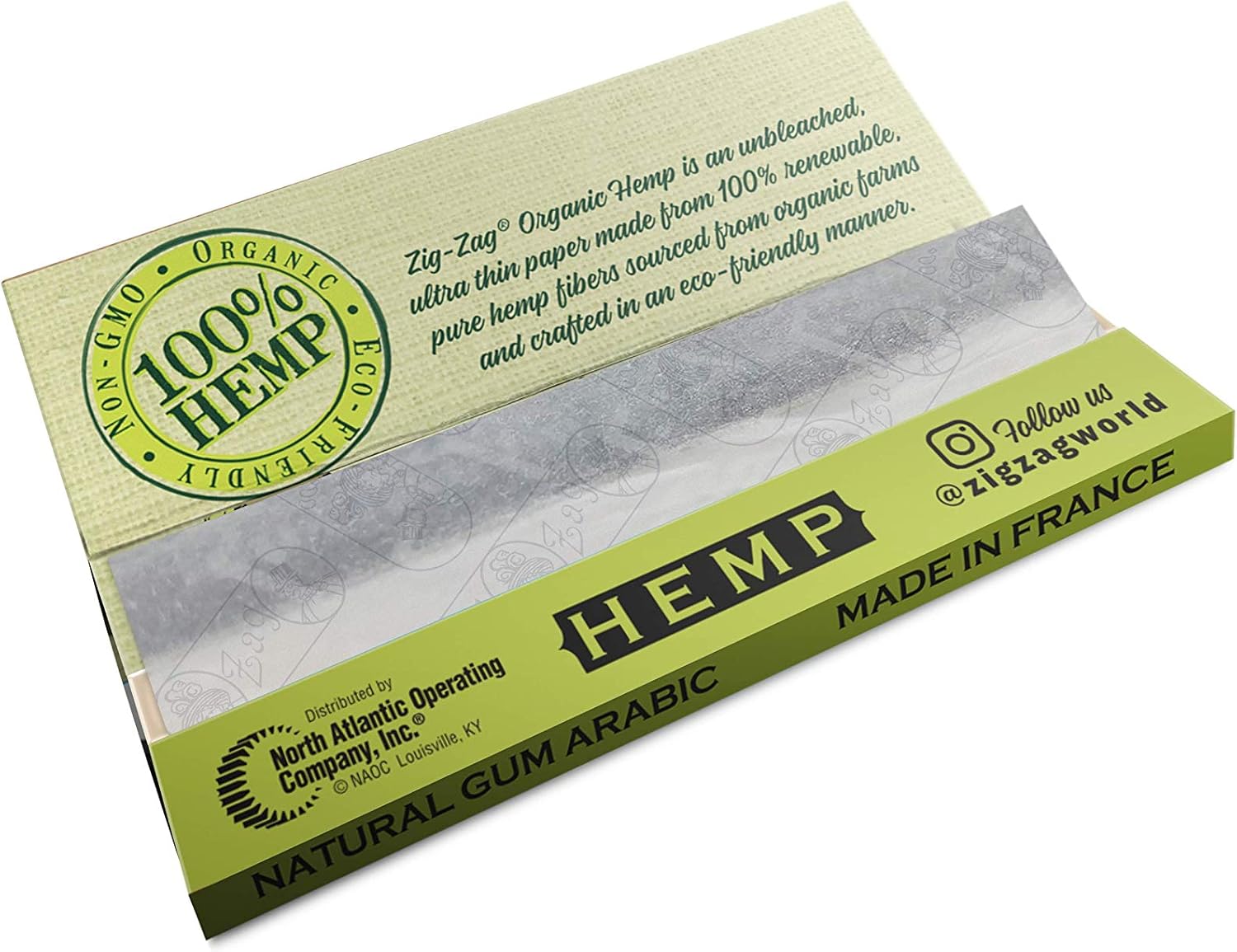
What is in your rolling paper?
Most traditional rolling papers are made from wood pulp, typically sourced from trees like spruce or birch. These papers can be either bleached – resulting in a bright white color – or unbleached, appearing more tan or brown. Additives like calcium carbonate are often included to control burn rate and opacity. The exact composition varies between brands, but the core ingredient remains wood-derived cellulose.
Hemp rolling papers, on the other hand, utilize fibers from the Cannabis sativa plant. While the plant itself is the key component, processing methods and additional ingredients play a role in the final product. Different hemp varieties can yield varying paper qualities. Some manufacturers incorporate other plant fibers like flax or rice to enhance strength and smoothness.
A study published by the National Institutes of Health (pmc.ncbi.nlm.nih.gov) analyzed the elemental composition of commercially available rolling papers. The research confirmed the presence of differing elements based on paper type, highlighting that even 'natural' papers can contain additives. Understanding this composition is crucial for informed consumer choice.
Hemp papers aren't always 100% hemp. Brands often blend them with other fibers to control the texture or how fast the paper burns. Check the ingredient list to see if you're getting pure hemp or a mix.
Rolling Paper Comparison: Material Characteristics & Environmental Impact (2026)
| Paper Type | Burn Rate | Taste Impact | Environmental Impact |
|---|---|---|---|
| Wood Pulp | Medium to Fast | Strong | High |
| Hemp | Slow | Subtle | Low |
| Flax | Medium | Moderate | Medium |
| Rice | Medium to Fast | Very Subtle | Medium |
| Bamboo | Medium | Subtle | Medium |
| Wood Pulp (Unbleached) | Medium | Moderate | Medium |
| Hemp (Organic) | Slow | Very Subtle | Low |
Illustrative comparison based on the article research brief. Verify current pricing, limits, and product details in the official docs before relying on it.
Hemp's environmental impact
Hemp is a remarkably sustainable crop. It boasts a rapid growth cycle, maturing in as little as 120 days, meaning multiple harvests are possible each year. This quick turnaround contrasts sharply with the decades required for trees to reach maturity. Hemp also requires significantly less water than traditional tree farms, making it ideal for water-conscious regions.
Hemp is naturally pest-resistant, which cuts down the need for pesticides and herbicides. This resilience reduces chemical runoff into local water supplies compared to the heavy chemical use often required in industrial tree farming.
Tree farming, while essential for many products, often involves deforestation, habitat loss, and intensive water and fertilizer use. These practices can have devastating consequences for ecosystems. Choosing hemp paper is a direct way to lessen your impact and support a more responsible agricultural system.
Hemp brands to watch through 2026
The hemp rolling paper market offers a diverse range of options. Here are some standout brands to consider, based on performance and sustainability:
Elements Hemp Rolling Papers: Widely available and consistently praised for their smooth burn and low ash content. They offer various sizes and are a popular choice among experienced smokers. Pricing typically ranges from $5-$10 per pack.
RAW Hemp Rolling Papers: Known for their unbleached, natural hemp fibers and commitment to sustainability. RAW papers offer a slightly thicker feel and a distinct taste. Expect to pay around $6-$12 per pack.
Blazy Susan Hemp Rolling Papers: These papers are thin yet durable, made from a blend of hemp and flax. They offer a clean burn and are available in a variety of sizes. Pricing is competitive, around $5-$8 per pack.
High Hemp Organic Hemp Papers: Certified organic and made from 100% hemp fibers. These papers are a great choice for those seeking a truly natural smoking experience. They generally retail for $7-$10 per pack.
V Syndicate Hemp Rolling Papers: V Syndicate is known for its innovative designs and high-quality materials. Their hemp papers offer a smooth burn and a subtle flavor. Price point is around $8-$15.
GreenGo Hemp Rolling Papers: These papers are known for their commitment to eco-friendly packaging and sustainable sourcing. They're a good all-around option for conscious consumers. Pricing is generally $5-$7 per pack.
KLAP Hemp Rolling Papers: A newer brand gaining traction for its ultra-thin hemp papers and innovative designs. They offer a very smooth and discreet smoking experience. Price is around $10-$15.
- Elements: These are known for a smooth burn and low ash, usually costing between $5 and $10.
- RAW Hemp Rolling Papers
- Blazy Susan Hemp Rolling Papers
- High Hemp Organic Hemp Papers
- V Syndicate Hemp Rolling Papers
- GreenGo Hemp Rolling Papers
- KLAP Hemp Rolling Papers
Beyond the Paper: Filters, Tips, and Accessories
Sustainability shouldn’t stop at the rolling paper itself. Consider the environmental impact of your filters and tips. Plastic tips are a major source of waste. Fortunately, alternatives are available.
Look for filters made from biodegradable materials like wood pulp or cellulose acetate. Reusable tips made from glass, stainless steel, or wood are also excellent options. DankStop (dankstop.com) offers a growing selection of eco-friendly accessories.
Even seemingly small choices, like opting for reusable lighters instead of disposable ones, can make a difference. A holistic approach to consumption is key to minimizing your environmental footprint.
- Biodegradable filters (wood pulp, cellulose acetate)
- Reusable tips (glass, stainless steel, wood)
- Reusable lighters
Featured Products

Unrefined, natural paper · 1.25 (1 1/4) size · Full box of 24 packs
RAW Unrefined Classic papers are a staple for their natural, unbleached quality and consistent performance.

Ultra-thin rice paper · 1.25 (1 1/4) size · 5 packs, 1500 leaves total
Elements rolling papers provide an exceptionally clean burn due to their rice construction and minimal ash.
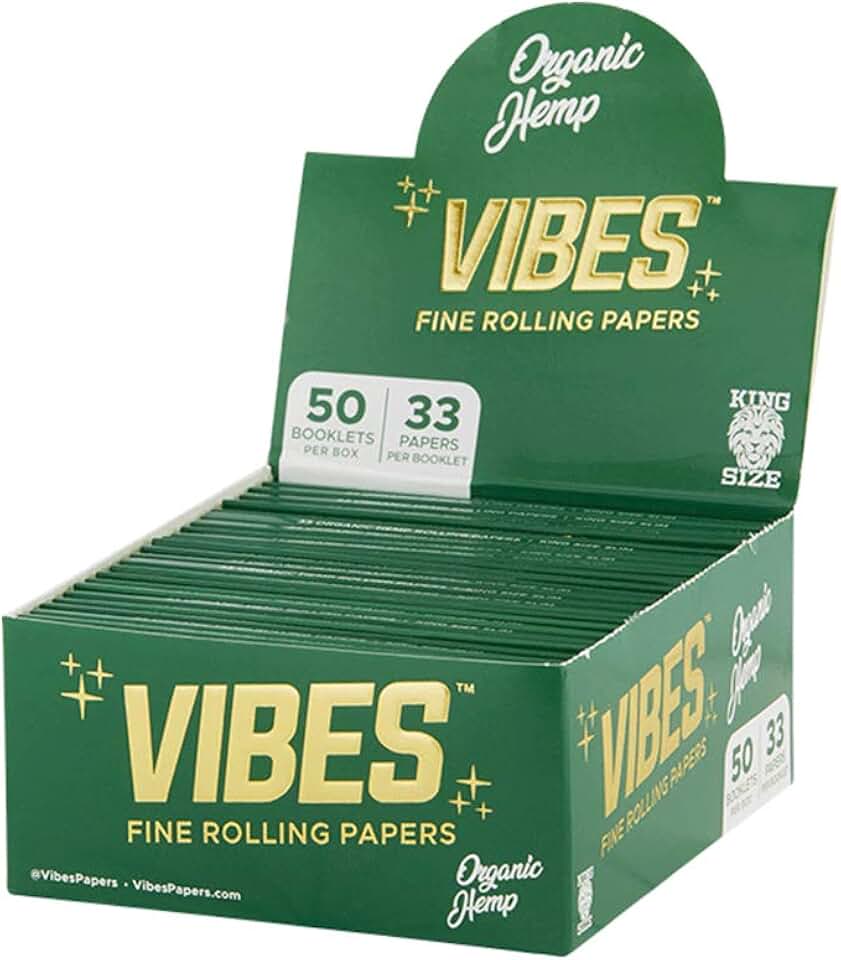
King size booklet · Hemp paper · 50 packs, 33 leaves per pack
VIBES Rolling Papers utilize high-quality hemp for a smooth, slow burn, ideal for those seeking a premium experience.

Natural hemp wraps · Includes tips · 4 wraps & tips per pack, 15 packs total
KUSH Natural Hemp Wraps offer a natural, slow, and even burn with the convenience of included tips.

Toasted hemp cones · Includes accessories · Strawberry flavor, 24 tubes (48 cones total)
Cyclones Toasted Hemp Cones deliver a flavorful and convenient smoking option with a slow, even burn.
As an Amazon Associate I earn from qualifying purchases. Prices may vary.
Taste Test: Does Hemp Paper Actually Smoke Differently?
The question of whether hemp paper tastes different is a common one. The answer is… subtly, yes. Hemp papers often impart a slightly more earthy or grassy flavor compared to bleached wood pulp papers, which tend to have a more neutral taste. This isn’t necessarily a negative; many smokers appreciate the natural flavor profile of hemp.
The type of hemp variety used can also influence the taste. Some hemp strains have a stronger flavor than others. Additionally, the processing method can play a role. Unbleached hemp papers typically have a more pronounced taste than bleached ones.
Burn quality and smoothness are also factors. Many users report that hemp papers burn evenly and smoothly, contributing to a more enjoyable smoking experience. Ultimately, taste is subjective, and personal preference will determine which paper you prefer.
Eco-Conscious Paper Options
- RAW Hemp Rolling Papers - A long-standing favorite, RAW’s hemp papers are made from the fibers of the hemp plant, offering a naturally slow burn and minimal processing.
- Elements Rice & Hemp Papers - Elements combines ultra-thin rice papers with hemp for a smooth, almost imperceptible smoking experience. They are known for their watermark.
- OCB Slim Organic Hemp Rolling Papers - OCB’s organic hemp papers are unbleached and made with sustainable practices, providing a clean taste and reduced environmental impact.
- Zig-Zag Hemp Rolling Papers - Zig-Zag offers a hemp paper option alongside their traditional papers, providing a recognizable brand with a sustainable alternative.
- Republic Tobacco Rolling Papers (Hemp) - Republic Tobacco focuses on sustainably sourced materials, and their hemp papers are no exception, offering a naturally flavored experience.
- Blazy Susan Hemp Rolling Papers - Blazy Susan’s hemp papers are thin and slow-burning, and the brand is known for its colorful and unique paper designs.
- Planet Papers Hemp Rolling Papers - Planet Papers are made from 100% hemp and are unbleached, offering a truly natural and eco-friendly option.
No comments yet. Be the first to share your thoughts!