
The 2026 Rolling Paper Landscape
The rolling paper market isn’t experiencing explosive growth, but it’s definitely evolving. We’re seeing a steady increase in demand for more sustainable and natural options, like hemp and unbleached papers. It’s a far cry from the days when white, wood-pulp papers dominated the shelves. Consumers are more aware of what they’re burning and are actively seeking alternatives.
What’s changed recently? Primarily, a wider variety of materials and a stronger focus on transparency. Brands are getting better at communicating where their materials come from and how their papers are made. Thinness remains a huge selling point, but it's becoming less of a singular focus as people prioritize burn quality and environmental impact. Expect to see this trend continue into 2026.
Consumer preferences are shifting towards convenience too. Pre-rolled cones are gaining popularity, and even with traditional papers, ease of use is becoming more important. Magnetic closures and pre-folded designs are examples of this. The market is responding to a desire for a smoother, more enjoyable smoking experience, and brands that can deliver on that will likely thrive.
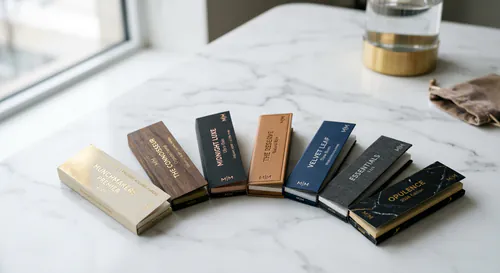
Raw: Still the Gold Standard?
Raw has, for a long time, been the name in rolling papers. Their history is rooted in a commitment to sustainability – they were early adopters of organic hemp and unbleached papers, which resonated with a growing segment of smokers. They offer a pretty comprehensive range, from their Classic and Organic lines to pre-rolled cones in various sizes.
Smokers generally praise Raw for its smooth burn, consistent quality, and relatively neutral taste. However, I think a lot of their continued success relies on brand recognition. Are they always the best? Not necessarily. There are other papers out there that perform just as well, if not better, in certain respects. It's a strong brand, but not invincible.
Raw offers papers in different weights, which significantly impacts the burn. Their Classic papers are a medium weight, providing a good balance between durability and burn speed. Lighter weight options, like Raw Organic Hemp, burn faster and more evenly, but they can be a little more fragile. Choosing the right weight really comes down to personal preference and smoking style.
One criticism I've seen consistently is that Raw papers can sometimes be prone to canoeing, especially in humid conditions. While not a universal problem, it's something to be aware of. The price point is also a factor; they're not the cheapest option available, but the quality generally justifies the cost for many smokers.
Elements: Innovation in Every Sheet
Elements really shook things up with their magnetic closures. It's a clever feature that keeps your papers fresh and prevents them from getting crumpled or damaged. They’ve built a strong reputation for quality and innovation. They offer a variety of papers, including Ultra Thin, King Size, and 1 ¼ size, catering to different preferences.
In terms of burn quality, Elements generally perform very well. They burn evenly and relatively slowly, which is a plus for many smokers. Their wood pulp papers offer a different experience compared to Raw’s hemp papers – some people prefer the slightly different taste and texture. They also have hemp options as well, blurring the lines a bit.
The biggest potential downside with Elements is the magnetic closure itself. I’ve heard reports of the magnets becoming dislodged over time, rendering the closure useless. It doesn’t happen to everyone, but it's a recurring complaint. Price-wise, Elements are generally comparable to Raw, and availability is usually good, though they can sometimes be harder to find in smaller shops.
Zig-Zag: A Legacy Brand Adapts
Zig-Zag is a name that’s been synonymous with rolling papers for generations. They have a long and storied history, dating back to the late 19th century. But being around for a long time doesn't guarantee success in a changing market. They’ve had to adapt to stay relevant.
Their current product line includes the classic blue, orange, and white papers, as well as pre-rolled cones and other accessories. They’re trying to appeal to a more modern smoker by offering unbleached options and experimenting with different materials. They’re also emphasizing their heritage and quality.
Are they still relevant? Absolutely, but they’re facing stiff competition from newer brands. Their strengths lie in their brand recognition and affordability. However, their papers aren't always known for the smoothest burn or the most consistent quality compared to Raw or Elements. They're definitely trying to recapture some market share, and it's a battle.
Beyond the Big Three: Rising Contenders
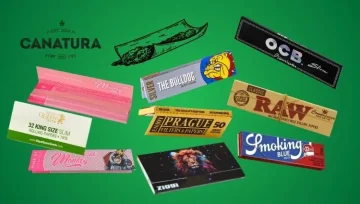
While Raw, Elements, and Zig-Zag dominate the market, several other brands are making waves. Bambu is a popular choice for its eco-friendliness, using unbleached and tree-free papers. OCB is another well-respected brand, known for its slow-burning papers and wide range of options.
OCB offers both hemp and flax papers, and they’re particularly popular among European smokers. They also have a line of slim papers that are favored by those who prefer a more discreet smoking experience. Bambu, on the other hand, is entirely focused on sustainability, using bamboo fibers in their papers.
There’s also a growing number of smaller, craft paper companies emerging, often focusing on unique materials or production methods. These brands often appeal to a niche market of smokers who are looking for something different. They may not have the same reach as the bigger brands, but they often offer a superior product in terms of quality and craftsmanship. Check out brands like Trip, or even smaller local brands if you can find them.
Featured Products

Unbleached natural paper · 500 sheets per pack · Includes RSV scoop card
A staple for a reason, Raw offers a reliable, natural smoking experience in a value-packed bundle.
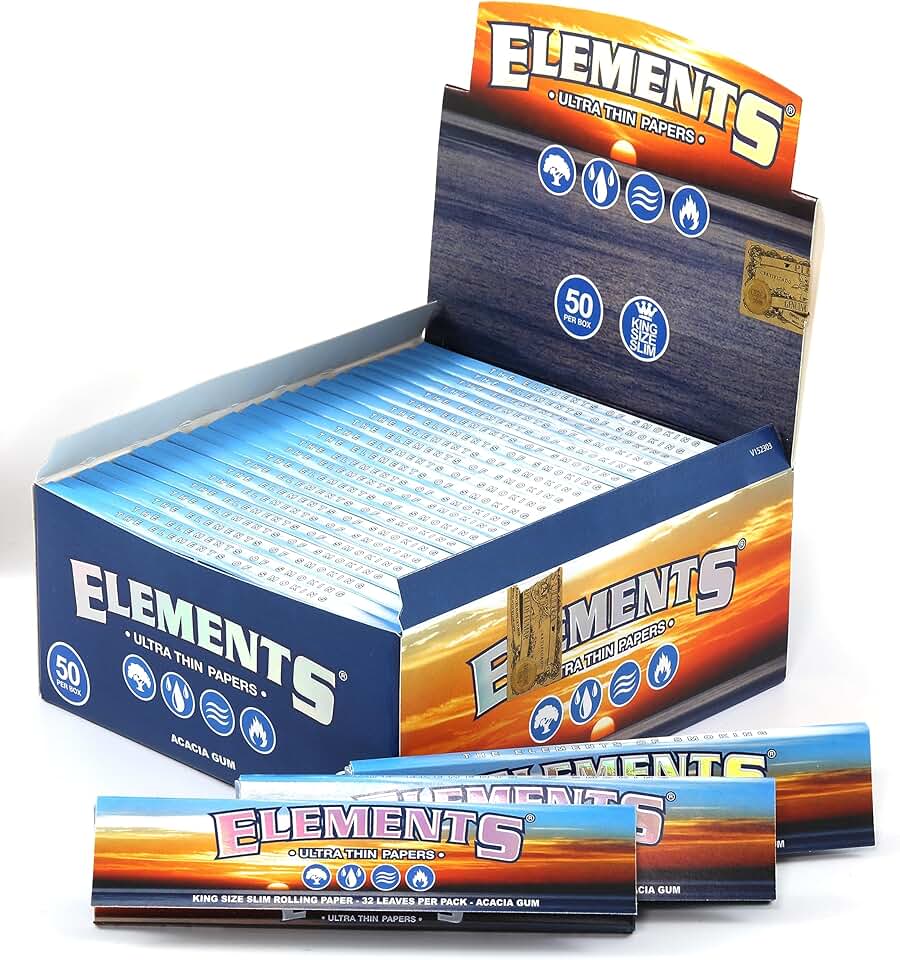
Ultra-thin rice paper · King Size · Minimal ash
Elements provides an exceptionally clean and smooth burn thanks to its ultra-thin rice paper construction.

Classic French rolling paper · Subtle sweetness · 6 booklets
ZIG-ZAG French Orange offers a time-tested, smooth smoking experience with a hint of sweetness.
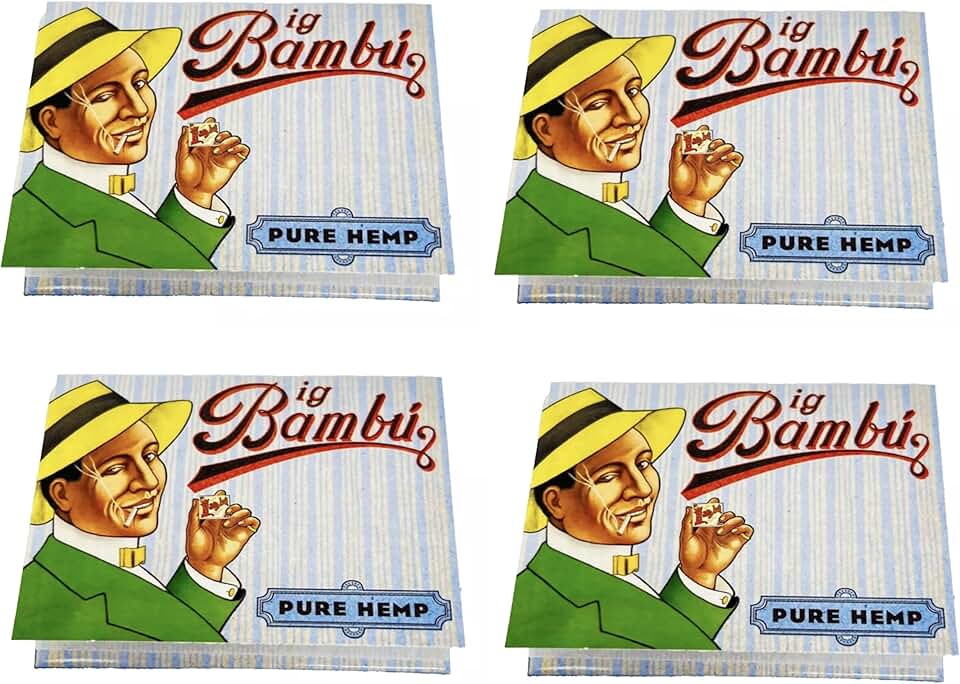
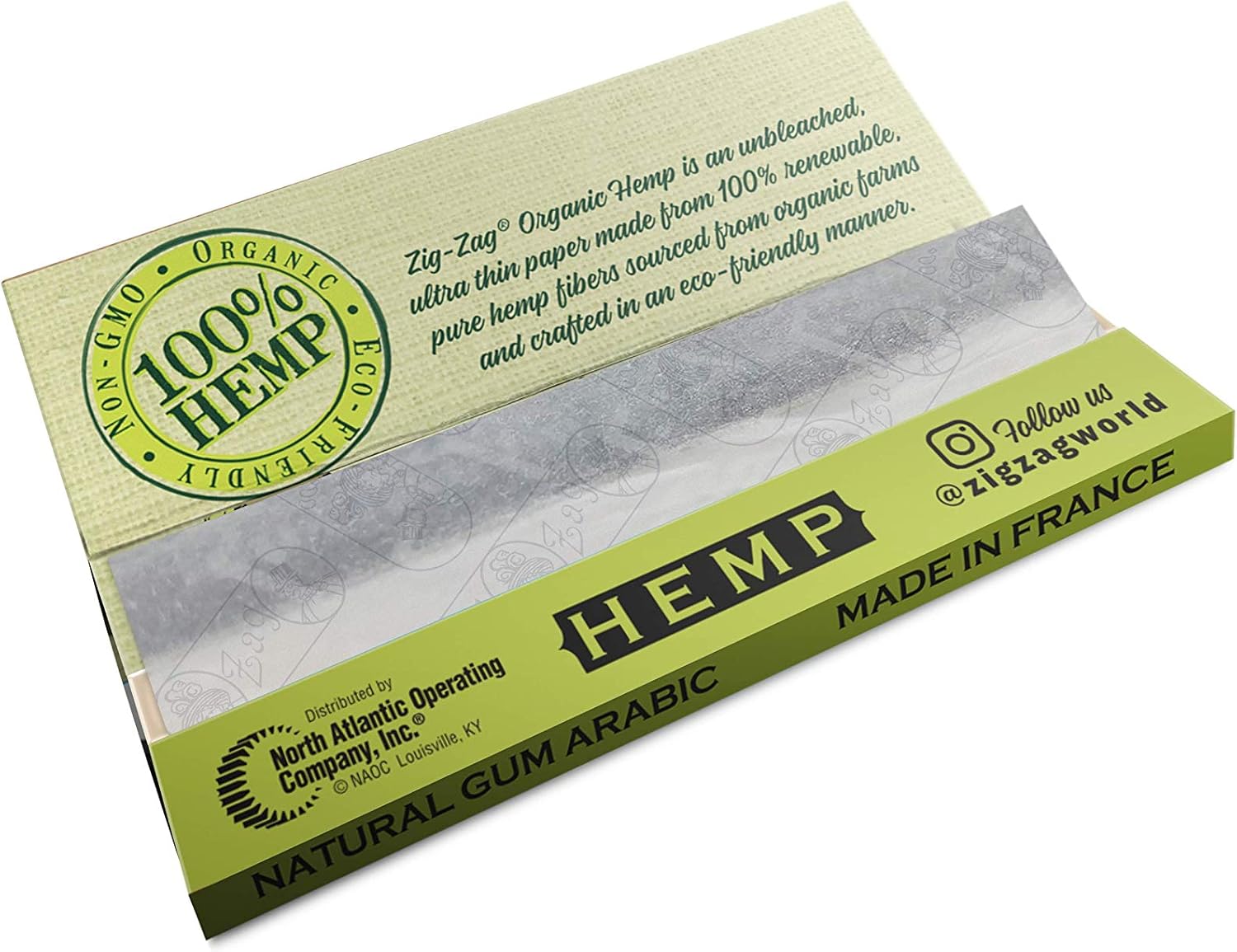
100% hemp paper · Slow burn · Eco-friendly
Bambu's pure hemp papers deliver an eco-conscious and slow-burning experience for the discerning smoker.
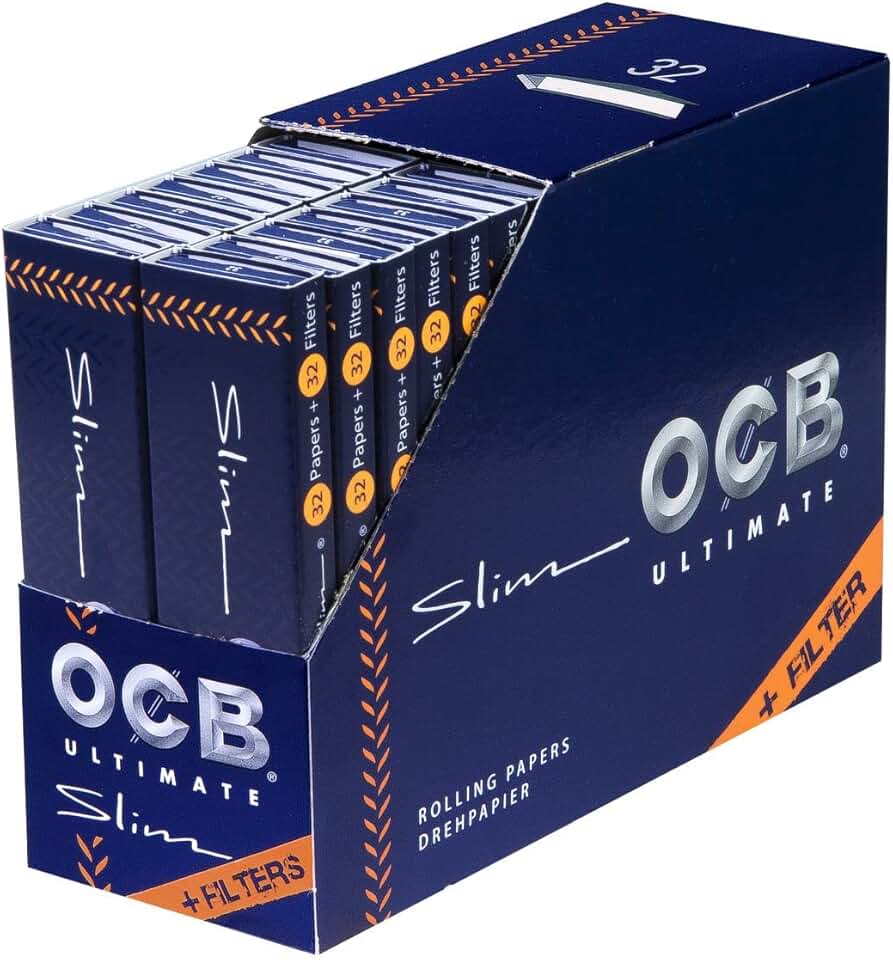
Ultra-thin paper · Includes filter tips · 32 booklets (1024 papers total)
OCB Ultimate Slim offers a premium, convenient rolling experience with included filter tips in a large, value-packed set.
As an Amazon Associate I earn from qualifying purchases. Prices may vary.
Paper Composition: What’s Actually Burning?
According to research, including a study published by pmc.ncbi.nlm.nih.gov analyzing the elemental composition of commercially available rolling papers, the materials used in rolling papers aren’t all created equal. Wood pulp, hemp, flax, and rice papers all have different chemical compositions, and therefore, different combustion byproducts.
The study found variations in elements like potassium, calcium, and magnesium depending on the paper type. While the amounts are generally small, the potential health implications of inhaling these compounds over time are still not fully understood. Bleaching processes also introduce additional chemicals, which can be a concern for some smokers.
It’s important to note that there’s a lack of standardized testing and regulation when it comes to rolling paper composition. This means that the quality and purity of papers can vary significantly between brands. Unbleached papers are generally considered to be a safer option, as they avoid the use of chlorine-based bleaching agents. However, even unbleached papers can contain trace amounts of other chemicals from the papermaking process.
Ultimately, the decision of which paper to use comes down to personal preference and risk tolerance. But being aware of the potential health implications of burning different materials is a good starting point. It's a complex issue and more research is needed to fully understand the long-term effects.
Rolling Paper Material Comparison - 2026
| Material | Burn Rate | Taste Impact | Environmental Impact | Typical Price Range |
|---|---|---|---|---|
| Hemp | Slow, Even | Minimal - Natural | Generally Low (sustainable crop, but processing matters) | Medium - High |
| Flax | Medium, Consistent | Very Minimal - Nearly tasteless | Low - Highly Sustainable | Medium - High |
| Wood Pulp (Unbleached) | Medium to Fast | Slightly Woody | Medium - Depends on forestry practices | Low - Medium |
| Wood Pulp (Bleached) | Fast, Can Canoe | Noticeable - Papery | High - Bleaching process is environmentally damaging | Low |
| Rice | Very Fast, Erratic | Minimal, but can be papery if thin | Medium - Water intensive crop | Low - Medium |
| Blend (Hemp/Wood Pulp) | Medium | Slightly Noticeable | Medium - Dependent on blend ratio | Medium |
Illustrative comparison based on the article research brief. Verify current pricing, limits, and product details in the official docs before relying on it.
Burn Tests & Community Feedback
Across online forums like Dankstop’s comment sections and Reddit’s r/smoking, the consensus on burn quality varies. Raw papers are often praised for their even burn, but complaints about canoeing – where the paper burns unevenly down one side – are common, especially with thicker papers or in humid conditions. Elements generally receive positive feedback for their consistent burn, but some users report issues with the paper running quickly.
Zig-Zag papers are often criticized for their inconsistent burn and tendency to taste like paper, though some longtime users appreciate the classic flavor. OCB papers are lauded for their slow burn and minimal taste, making them a favorite among experienced smokers. Bambu papers are praised for their eco-friendliness and smooth burn, but they can be a bit more fragile than other options.
Tunneling – where the paper burns down the center, leaving a ring of unburnt paper around the edges – is another common issue. Some papers are more prone to tunneling than others, and it often depends on the packing of the joint. User feedback consistently points to thin papers being more susceptible to burning issues, requiring a more skilled roll to avoid problems. Ultimately, a 'good' burn is subjective, but consistent performance is what most smokers value.
The Future of Rolling
Looking ahead to 2026, I expect to see continued innovation in the rolling paper market. Biodegradable and compostable papers are likely to become more prevalent, as consumers become increasingly environmentally conscious. New materials, like seaweed or mushroom fibers, could also emerge as viable alternatives to traditional wood pulp and hemp.
We might also see more sophisticated closures, perhaps incorporating airtight seals to further preserve freshness. Smart papers, with embedded sensors that monitor burn rate or temperature, are a more futuristic possibility, though the practicality of these is still questionable. The focus will likely remain on enhancing the overall smoking experience and reducing the environmental impact.
No comments yet. Be the first to share your thoughts!