
Rolling Papers: A 2026 Snapshot
The rolling paper market is experiencing consistent growth, and 2026 looks to be no different. A lot of this is driven by the increasing acceptance of cannabis and the expanding range of consumer preferences. We’re seeing a move away from purely functional choices towards papers that enhance the overall experience – think flavor, burn quality, and sustainability.
Right now, consumers are demanding more than just something to hold their herb. Specialized papers are becoming increasingly popular, and there’s a clear shift towards eco-friendly options. Consumers are paying attention to the materials used and the manufacturing processes. This is leading to innovation in materials like hemp and a renewed look at rice papers.
What’s fascinating is how quickly the market adapts. New brands are popping up all the time, and established companies are constantly refining their products to meet these evolving demands. The competition is fierce, and that ultimately benefits the consumer with a wider variety of choices and higher quality products.

Hemp Papers: The Rising Standard?
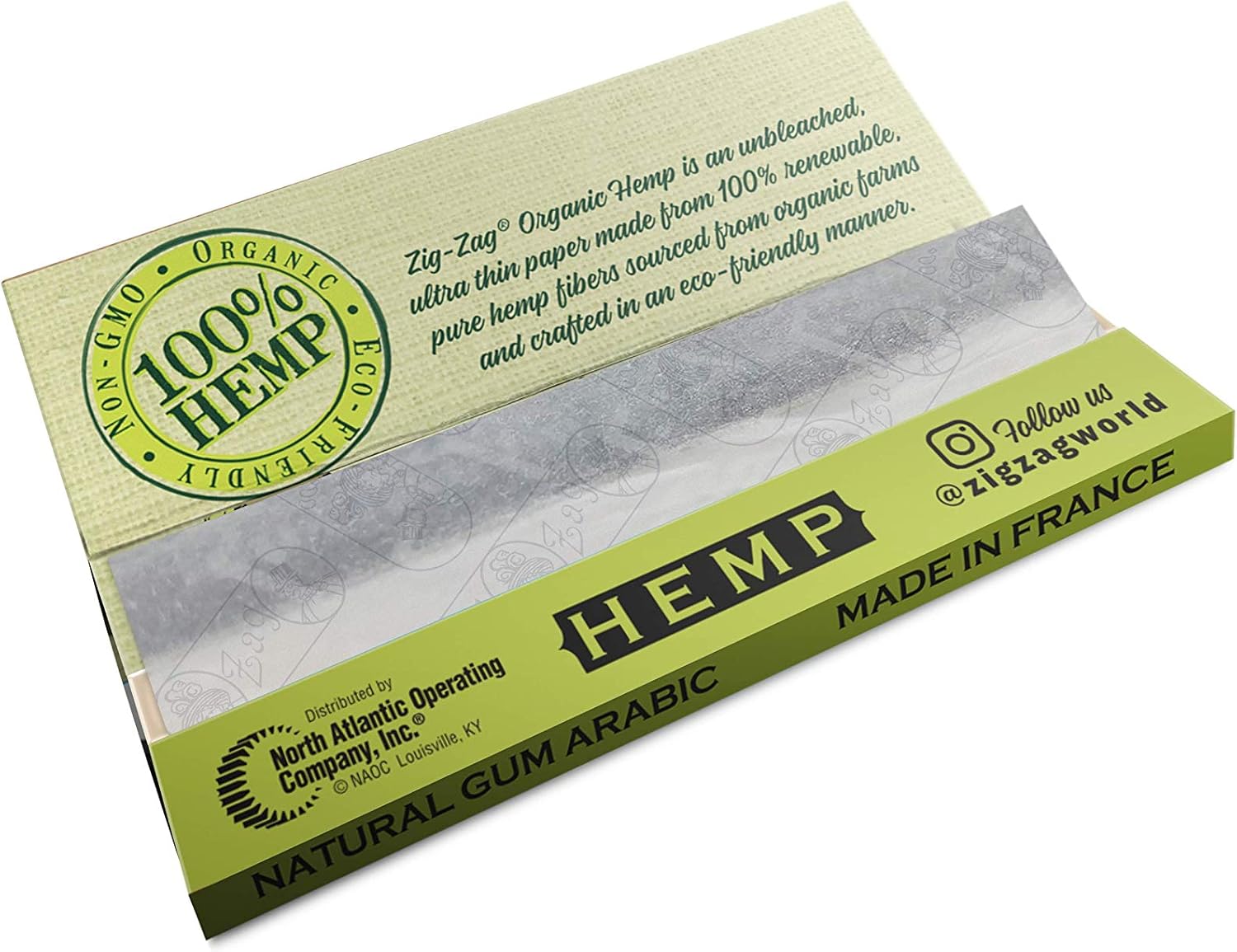
Hemp rolling papers have quickly become a favorite among many smokers, and for good reason. They offer a naturally smooth burn, a subtle and pleasant taste, and they’re a much more sustainable option compared to traditional wood pulp papers. The growing awareness of environmental issues is definitely fueling the demand for hemp.
One of the biggest benefits is the slow burn. Hemp papers tend to burn more evenly and slowly, which means you get more out of your material. This is due to the natural properties of hemp fibers and how they combust. You’ll also notice a more natural flavor profile – or lack thereof. Hemp doesn’t impart a strong taste, allowing the flavor of your herb to shine through.
Different hemp blends can influence the final result. Some brands use a combination of hemp and flax, while others stick to 100% hemp. I've found that papers with flax added tend to be slightly smoother, but it’s a subtle difference. There’s also some debate about whether different hemp strains impact the paper’s characteristics, but definitive research on that is still limited.
The sustainability aspect is huge. Hemp is a fast-growing plant that requires minimal pesticides and water. It’s a renewable resource, making it a much more responsible choice for environmentally conscious consumers. Plus, hemp production supports sustainable agriculture.
Rice Papers: Thinness and Flavor
Rice papers are known for being incredibly thin and almost tasteless, making them a top choice for experienced rollers who want minimal interference with the flavor of their cannabis. They're manufactured from the cellulose found in rice straw, resulting in a very delicate paper.
The ultra-thinness is the biggest draw. You get a very clean burn with very little paper taste. This allows the true flavors and aromas of your herb to come through. This is why you'll see a lot of connoisseurs opting for rice papers. However, that thinness also comes with a challenge.
They are notoriously fragile and can be tricky to work with, especially for beginners. A slight misstep and they tear easily. It takes practice to master the art of rolling with rice papers. But once you get the hang of it, the reward is a smooth, flavorful experience.
While the lack of taste is generally a plus, some people find that rice papers can sometimes feel a bit too delicate. They don’t offer much structural support, so you need a good rolling technique to prevent canoes or uneven burns.
Wood Pulp: The Traditional Choice
Wood pulp papers are the most traditional and widely available option. They’re generally the most affordable, which makes them a popular choice for budget-conscious smokers. You can find them in pretty much any convenience store or smoke shop.
The manufacturing process for wood pulp papers can vary. Some are unbleached, retaining a slightly brownish color and a more natural taste. Others are bleached to achieve a bright white color, but this can sometimes result in a papery or chemical taste. The bleaching process is something to be aware of.
The taste is the main drawback for many. Some bleached papers can leave a noticeable papery aftertaste, which can detract from the flavor of your herb. Unbleached papers avoid this issue, but they may have a slightly earthier flavor. It really comes down to personal preference.
It’s important to consider the bleaching process. Some manufacturers use chlorine-based bleaching, which can leave behind harmful residues. Look for papers that are bleached with oxygen or hydrogen peroxide, as these are considered safer alternatives.
2026’s Best Rolling Paper Brands: Ranked
Ranking rolling paper brands is tricky, as preference is so personal. But based on a combination of burn quality, taste, sustainability, and user reviews, here's a look at some of the top contenders in 2026. This isn't a definitive list, but a good starting point for exploring different options.
1. Elements Hemp Rolling Papers: Consistently praised for their slow, even burn and minimal taste. They’re a bit pricier, but many smokers feel the quality justifies the cost. They use a flax seed blend which adds to the smooth burn.
2. RAW Organic Hemp Rolling Papers: A popular choice for their commitment to sustainability and their wide availability. They offer a natural taste and a reliable burn. They have a huge range of sizes and styles, too.
3. Bambu Rolling Papers: These are known for their unique blend of hemp, flax, and bamboo fibers. This combination results in a very smooth and slow burn. They’re also a very eco-friendly option.
4. Rizla Indigo: A classic rice paper choice, favored by experienced rollers for its ultra-thinness and minimal taste. It takes practice to roll with these, but the results are worth it.
5. Zig-Zag Ultra Thin: A widely available and affordable wood pulp option. They’re a good choice for beginners or those on a budget. The burn isn’t as smooth as hemp or rice papers, but they get the job done.
6. OCB Premium Rolling Papers: Another popular wood pulp option, known for their consistent quality and affordability. They offer both bleached and unbleached varieties.
7. Shine Rolling Papers: These papers are known for their 24k gold-like appearance. They offer a smooth burn and a unique aesthetic. They’re a bit of a luxury item.
8. Topo Rolling Papers: These papers are gaining popularity for their innovative designs and high-quality materials. They offer both hemp and wood pulp options.
9. V Syndicate Hemp Papers: A newer brand focusing on premium hemp papers. They're quickly gaining a following for their smooth burn and natural taste.
10. Cyclones Slow Burn: These papers are pre-rolled with a carbon filter, which some smokers find enhances the experience. They’re a convenient option for on-the-go smoking.
Featured Products
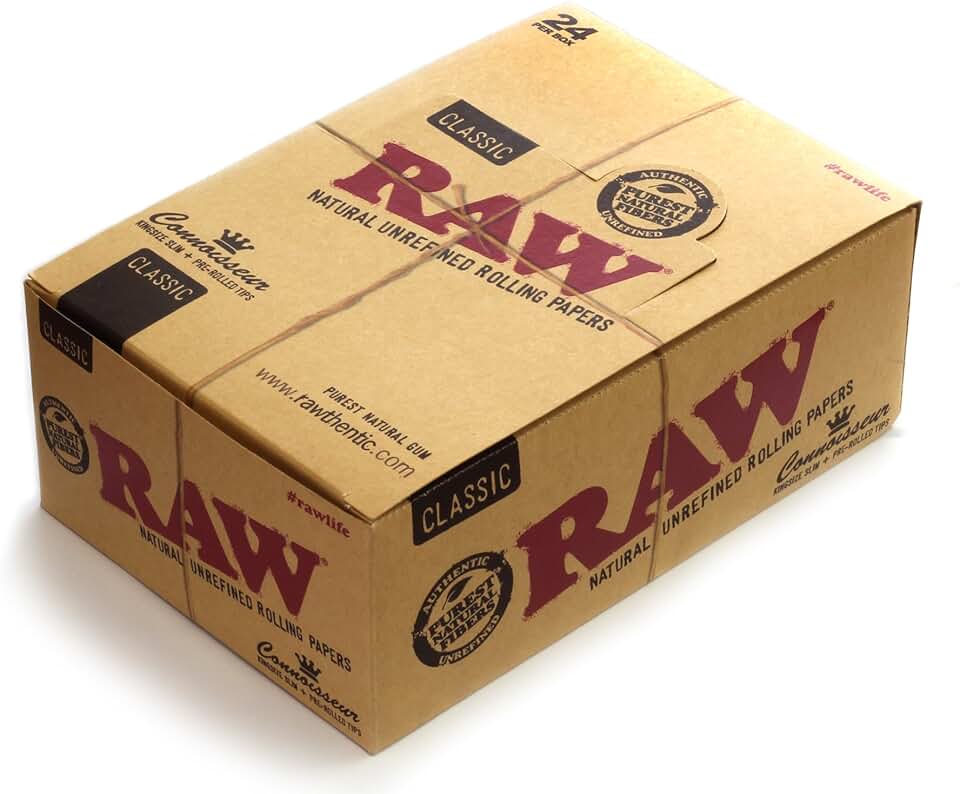
King Size Slim paper with pre-rolled tips · Made from a blend of unbleached natural hemp and flax fibers · Patented watermark for even burn
RAW Classic Connoisseur papers provide a smooth, natural burn with the convenience of included tips.

Ultra-thin rice papers · 1.25 (1 1/4) size · Slow burning and tasteless
Elements rolling papers are known for their ultra-thin rice construction, offering a clean and pure smoking experience.
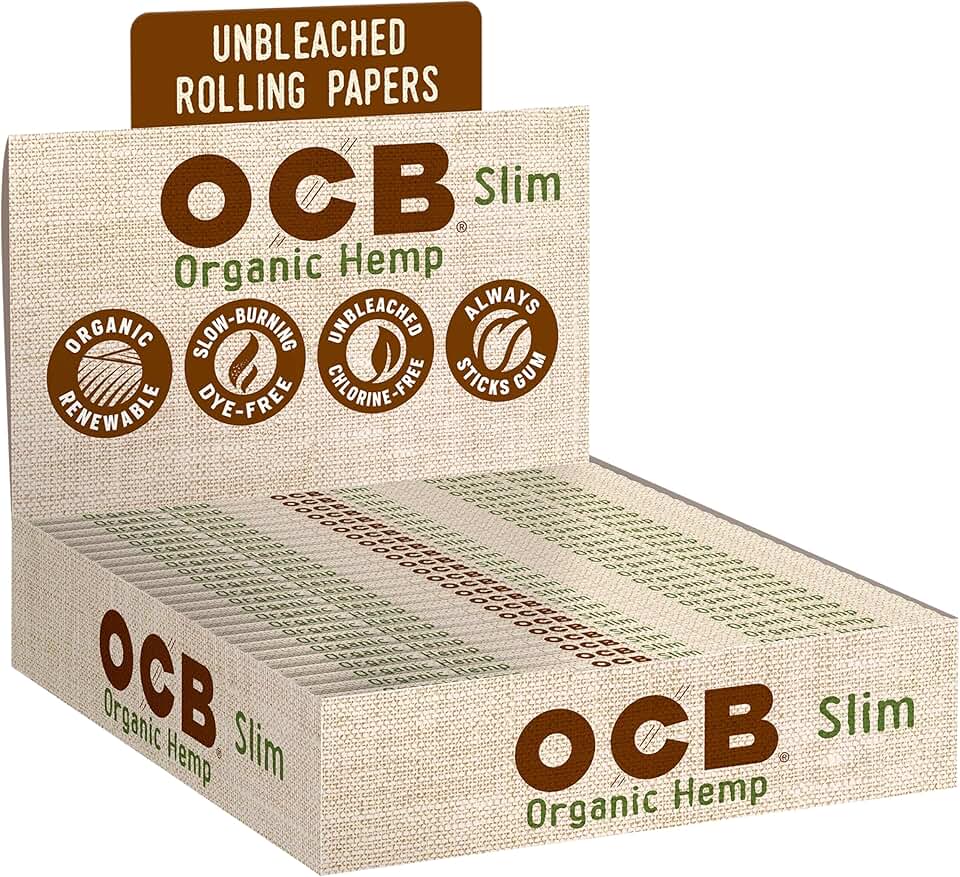
Organic hemp papers · Slim size · 32 leaves per booklet
OCB Organic rolling papers are crafted from organic hemp for a natural and slow-burning smoke.

Ultra-thin · 1 ¼ size · Slow burning
ZIG-ZAG's ultra-thin papers are designed for a slow, even burn, perfect for a classic rolling experience.

Handheld rolling machine · 79mm size · Display of 12 rollers
Randy's handheld rollers offer a simple and effective way to create perfectly rolled cigarettes every time.
As an Amazon Associate I earn from qualifying purchases. Prices may vary.
Elemental Composition & Burn Rate: What the Science Says
A 2023 study published by PMC (pmc.ncbi.nlm.nih.gov) analyzed the elemental composition of several commercially available rolling papers. The research found significant variations in the levels of elements like carbon, hydrogen, nitrogen, and oxygen across different paper types. These variations directly impact how the paper burns.
Papers with higher carbon content tend to burn hotter and faster, while those with higher oxygen content burn more slowly and evenly. The study also found that the ash content varies considerably. Hemp papers generally produced less ash compared to wood pulp papers. This is likely due to the different fiber structures of the materials.
Translating this into practical terms, the elemental composition affects the overall smoking experience. A paper with a balanced composition will provide a smooth, even burn with minimal ash. Papers with an imbalanced composition may burn unevenly, produce more ash, or impart a noticeable taste. Understanding these differences can help you choose the right paper for your preferences.
The study highlights the importance of considering the materials used in rolling papers. While wood pulp is affordable, hemp and rice papers offer a more refined and potentially cleaner burning experience, backed by their elemental composition. It’s worth noting that the specific composition can vary even within a material type, depending on the manufacturing process.
Rolling Paper Comparison: Hemp, Rice & Wood Pulp (2026)
| Material | Burn Rate | Taste Impact | Ease of Rolling | Sustainability |
|---|---|---|---|---|
| Hemp 🌿 | Medium | Low | Medium | High |
| Rice | High | Very Low | Medium | Medium |
| Wood Pulp | Medium | Medium | High | Low |
| Flax | Medium-Low | Low | High | Medium |
| Bamboo | Medium | Very Low | Medium | High |
| Beetle Nut Leaf | Slow, Consistent | Distinct, Earthy | Medium-Difficult | Medium |
Illustrative comparison based on the article research brief. Verify current pricing, limits, and product details in the official docs before relying on it.
Beyond the Basics: Specialized Papers
Beyond the standard hemp, rice, and wood pulp options, there’s a whole world of specialized rolling papers to explore. Flavored papers are popular for those who want to add a hint of sweetness or fruitiness to their smoke. However, the added flavors can sometimes mask the taste of the herb.
Clear or transparent papers are another option, allowing you to see the color of your herb as you smoke. These are often made from cellulose and offer a very minimal taste. Extra-thin papers are designed for experienced rollers who prioritize minimal paper interference. They’re incredibly delicate and require a skilled touch.
You’ll also find papers with different shapes and sizes, from king-size papers for larger joints to skinny papers for smaller ones. Some brands even offer pre-rolled cones for convenience. The best type of paper ultimately depends on your individual preferences and consumption style.
Experimenting with different types of specialized papers can be a fun way to enhance your smoking experience. Just be mindful of the potential drawbacks, such as added flavors or fragility, and choose papers that align with your priorities.

No comments yet. Be the first to share your thoughts!